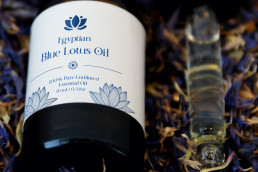
If your skin looks shiny by lunchtime, your pores feel visible, and most “mattifying” products leave you tight and flaky by evening, you are probably in the familiar loop of over-stripping oily skin and watching it rebound harder. This article looks at whether blue lotus oil oily skin protocols are worth adopting, what the botanical actually does at a sebaceous level, and how to use it without tipping your barrier into the very imbalance that drove the oil production in the first place.
Table of Contents
- Understanding Oily Skin Before You Treat It
- How Blue Lotus Oil Helps Oily Skin
- 1. Flavonoid-led calming of background inflammation
- 2. Sebum-modulating rather than sebum-stripping behaviour
- 3. Nervous-system input that tempers stress-driven oil
- How to Use Blue Lotus Oil for Oily Skin
- Choose the right carrier
- Dilution
- A realistic daily protocol
- Spot use for breakouts
- What to Expect: Realistic Timeframes
- When Blue Lotus Oil Is NOT the Right Choice for Oily Skin
- Complementary Approaches That Actually Matter
- Frequently Asked Questions
- Where to Go From Here
- Calm, Balanced, Clearer Skin
It is written and clinically reviewed by Antonio Breshears, ND, CCA, a Bastyr-trained naturopathic doctor and certified clinical aromatherapist. If you want broader context on the botanical itself before you dive in, start with the complete guide to blue lotus oil, which covers chemistry, sourcing, and the full range of uses this article narrows down to one specific skin type.
Understanding Oily Skin Before You Treat It
Oily skin is not a moral failing or a hygiene problem. It is a sebaceous phenotype, meaning your sebaceous glands produce more sebum than average, and that sebum may also be slightly different in composition (often richer in squalene and wax esters, sometimes lower in linoleic acid). This is largely genetic, modulated by androgens, stress hormones, humidity, diet, and the products you apply.
The frustrating paradox most oily-skinned adults run into is that aggressive degreasing routines, high-foam cleansers, alcohol toners, and abrasive scrubs, do not reduce sebum production. In many cases, they increase it. When you strip the acid mantle and compromise the barrier, the skin interprets the dryness as a signal to compensate, and the glands respond by producing more oil, not less. You end up oilier, more inflamed, and more prone to breakouts than you were before you declared war on your own face.
What oily skin genuinely benefits from is the opposite of stripping: gentle cleansing, barrier support, calm of the background inflammation that drives excess sebum, and ingredients that rebalance rather than destroy. This is where a well-chosen aromatic ingredient can actually be useful, and where blue lotus oil has a surprisingly good fit.
How Blue Lotus Oil Helps Oily Skin
Blue lotus absolute (Nymphaea caerulea) is not a standard acne treatment, and I would not want to oversell it as one. But the chemistry genuinely lends itself to oily and combination skin in three specific ways.
1. Flavonoid-led calming of background inflammation
Oily skin is rarely “just” oily. It is usually oily with a baseline of low-grade inflammation, perhaps some congestion around the nose and chin, the occasional inflamed papule, and a general sense of redness or heat. The flavonoid profile of blue lotus (apigenin, quercetin, kaempferol) is well-attested for anti-inflammatory and antioxidant behaviour in skin contexts. These compounds quiet the NF-kB inflammatory cascade that both drives sebum dysregulation and makes blemishes more painful and more persistent.
You are not knocking out an active infection the way a prescription would. You are lowering the thermostat, and over weeks this tends to mean fewer flare-ups, less redness around the T-zone, and a skin that looks less “angry” even when it is still producing more oil than average.
2. Sebum-modulating rather than sebum-stripping behaviour
What many oily skin types actually need is not less oil but better-balanced oil. The light, non-comedogenic nature of properly diluted blue lotus in a carrier like jojoba (which is technically a liquid wax, structurally very close to human sebum) signals to the skin that it is well-supplied. Paradoxically, this often reduces reactive over-production. Skin that no longer thinks it is about to dry out stops panicking.
I want to be honest here. This is a gentle, cumulative effect, not a dramatic one. You are not going to apply a blue lotus serum and wake up with mattified skin. You are, across four to eight weeks, retraining a sebaceous response that has spent years in compensation mode.
3. Nervous-system input that tempers stress-driven oil
This is the underrated mechanism. A significant portion of “my skin is so oily” is actually “my skin is so oily when I am stressed, sleeping badly, or premenstrual”. Cortisol drives androgen-like effects on sebaceous glands, and chronic sympathetic dominance is one of the more reliable ways to make oily skin worse. Blue lotus is a mildly parasympathetic botanical, working through the olfactory-limbic pathway when inhaled and, in skincare, through the simple ritual of slow, attentive application. Addressing the stress axis is not a gimmick here; it genuinely reduces the hormonal drivers of excess oil in a subset of users.
How to Use Blue Lotus Oil for Oily Skin
The protocol below assumes you are using a properly extracted blue lotus absolute or CO2, diluted appropriately. Neat application on the face is not a good idea for any skin type, and certainly not for one already prone to reactive behaviour.
Choose the right carrier
For oily skin, the carrier matters as much as the blue lotus itself. The best choices are:
- Jojoba oil, the first-line recommendation. It mimics sebum, does not clog pores in the vast majority of users, and helps downregulate overactive glands.
- Squalane (olive- or sugarcane-derived), weightless, odourless, high-stability. Excellent for anyone who finds jojoba a touch heavy.
- Hemp seed oil, higher in linoleic acid, which oily skin often needs more of. Useful specifically for those whose oiliness goes hand in hand with congestion.
Avoid coconut oil (comedogenic on most faces), heavy butters, and mineral oil-based bases for this application.
Dilution
Stay at 1 percent for daily facial use. That works out to roughly three drops of blue lotus per 15ml of carrier. For targeted spot use on individual blemishes you can go to 2 to 3 percent, but do not take the whole face up to that level. Oily skin is often more reactive than it looks, and starting low gives you a real signal of how your skin behaves before you escalate.
A realistic daily protocol
Evenings are where this works best. Cleanse gently (no high-foam, no alcohol). Pat, do not rub, until skin is just damp. Apply a hydrating toner or thermal water if you use one. Then press three to five drops of your 1 percent blue lotus jojoba blend into the face, focusing on the forehead, nose, and chin. Do not rub aggressively. Let it settle for a minute. If you feel you need a final occlusive step, a thin layer of a lightweight, non-comedogenic moisturiser is fine, but many oily skin types find the oil alone is sufficient overnight.
Mornings are optional. If your skin is very oily, skip the oil in the morning and use a light water-based hydrator with SPF on top. If you are more combination-oily, one or two drops pressed into damp skin before moisturiser is fine.
Spot use for breakouts
For individual inflamed blemishes, a 3 percent blue lotus in jojoba applied with a cotton swab one or two times daily can help calm the inflammation around the lesion. It will not replace a spot treatment with salicylic acid or benzoyl peroxide if that is what the blemish genuinely needs, but it layers well with those actives and softens the irritated ring of skin around them.
What to Expect: Realistic Timeframes
If I am being honest with you, and I would rather be, here is what the timeline usually looks like:
Week one. Skin feels calmer and better moisturised. You may notice slightly less midday shine, but this is largely the carrier doing its job. Do not judge the protocol yet.
Weeks two to four. Background redness starts to settle. You may find your skin looks more even in tone, and that individual breakouts resolve faster than they used to. Oil production itself is usually unchanged at this point.
Weeks four to eight. This is where the sebum-modulating effect, if it is going to happen for you, begins to show up. Less reactive shine, smaller-looking pores (because less sebum is backing up in them), and the texture of your skin feels less congested. Not everyone gets a dramatic shift here, and for some the change is modest rather than transformative.
Beyond eight weeks. If you have seen genuine improvement, this is the point to decide whether to continue as a maintenance routine. If you have seen nothing, it is probably not the right tool for your particular skin, and that is useful information. No single botanical works for every face.
When Blue Lotus Oil Is NOT the Right Choice for Oily Skin
I want to be clear about limits, because the wellness internet tends to overpromise. Blue lotus is not the appropriate first-line intervention in the following situations:
- Active, cystic, or moderate-to-severe acne. You need proper dermatological care: topical retinoids, possibly oral treatment, sometimes hormonal evaluation. A calming botanical oil can sit alongside that care, but it should not replace it.
- Fungal acne (malassezia folliculitis). The tight, uniform, small-bump pattern across the forehead and chest that responds to antifungals, not to plant oils. Most carriers make this worse, not better.
- Pregnancy and breastfeeding. Blue lotus is avoided in both, regardless of skin type. Use a different approach during these periods.
- Known sensitivities to floral absolutes. If jasmine, ylang-ylang, or rose absolute have caused reactions before, patch test carefully, or skip this entirely.
- Skin that is actively reacting. If you are in the middle of a flare from a retinoid purge, a reaction to a new product, or a rosacea flush, let the skin settle on a very bland routine first. Introduce new actives only to calm skin.
Always patch test behind the ear or on the inner forearm for three days before putting anything new on your face, oily skin or otherwise.
Complementary Approaches That Actually Matter
No topical, blue lotus or otherwise, is going to outperform the fundamentals. If you are serious about managing oily skin well, these matter more than whatever is in your serum:
A non-stripping cleanser. A low-pH, surfactant-gentle cleanser used twice a day. No squeaky-clean feeling. If your face feels tight after washing, your cleanser is wrong for you.
A well-chosen active. Salicylic acid (BHA) once every few days to keep pores clear, or niacinamide daily, which is one of the better-evidenced ingredients for moderating sebum. Blue lotus layers comfortably underneath both.
Daily sunscreen. UV damage drives compensatory inflammation and worsens post-inflammatory marks. A lightweight, non-comedogenic SPF 30 or higher, every day, is non-negotiable.
Sleep and stress. Not glamorous, but the sebaceous response to cortisol is real. Seven to eight hours, consistent sleep timing, and something that genuinely downshifts your nervous system (walking, breathwork, a decent diffuser blend in the evening) will do more for oily skin than any serum.
Diet, honestly. High-glycaemic diets and heavy dairy intake are reasonably well-correlated with sebum overproduction and acne in susceptible individuals. This is not true for everyone, but if you have never experimented with a lower-glycaemic pattern and a dairy break, it is worth trying for a few weeks to see what happens.
Frequently Asked Questions
Can blue lotus oil actually reduce oily skin?
It can modulate sebum production in a subset of users, generally over four to eight weeks, primarily by reducing background inflammation and calming the stress-driven drivers of excess oil. It is not a strong sebostatic in the way prescription treatments are, but for mild to moderate oiliness it is a reasonable, gentle addition to a routine.
Is blue lotus oil comedogenic?
The absolute itself is used at such low concentration (1 percent) that comedogenicity is far more a question of your carrier than of the blue lotus. Jojoba and squalane are non-comedogenic for the vast majority of users. Avoid coconut and heavy butters on the face.
What dilution should I use on oily skin?
One percent for daily facial use, which is about three drops of blue lotus per 15ml of carrier. You can go to 2 to 3 percent for short-term spot treatment on individual blemishes, but keep your full-face product at 1 percent.
Can I use blue lotus oil with retinol or salicylic acid?
Yes, and it often layers well with both. A common approach is to use your active (retinoid or BHA) first on dry skin, wait, and then press in a drop or two of blue lotus jojoba as a buffering layer. It can help reduce the irritation these actives cause without blunting their effectiveness.
How long before I see results?
Inflammation and tone usually settle in the first two to four weeks. Genuine changes in oil production, if they happen for you, tend to show up between weeks four and eight. If you have seen nothing at eight weeks of consistent use, it is probably not the right tool for your skin.
Will it make acne worse before it gets better?
Blue lotus does not typically cause a purge the way retinoids do. If your skin gets visibly worse in the first two weeks, suspect either a sensitivity to the absolute itself or an issue with your carrier, not a “detox” response. Stop, patch test again, and consider a different formulation.
Is it better to use it morning or evening?
Evenings for most oily skin types. Overnight is when the skin is in its repair cycle, and a low-concentration oil blend has time to work without competing with makeup or SPF. If your skin is combination rather than truly oily, one or two drops in the morning before moisturiser is fine.
Can I add blue lotus oil to my existing moisturiser?
You can add one drop per pump of moisturiser as a spot blend, but the dilution is unreliable and the active loses its ritual. Keeping a dedicated 1 percent facial oil is a more consistent and a more effective approach.
Does it help with the large pores that come with oily skin?
Pore size is largely genetic and not truly reducible. What makes pores look smaller is reducing the sebum and debris backing up inside them. To the extent blue lotus helps modulate sebum and calm inflammation around the follicle, it can make pores look less prominent over time, but anyone promising to “shrink pores” is overstating what any topical can do.
Can I use it if I also have occasional dry patches?
Yes. Combination skin (oily T-zone, drier cheeks) often does particularly well with a 1 percent blue lotus in jojoba blend, because it addresses both the inflammation of the oily zones and the barrier support needed by the drier areas. Apply evenly, and let the oil do its balancing work.
Where to Go From Here
If this protocol sounds like it fits your skin, the honest next step is consistency for six to eight weeks rather than head-hopping to the next ingredient. Oily skin rewards patience and punishes panic-buying. For a broader picture of what blue lotus is, where it comes from, and the full range of uses it is suited to, the complete guide to blue lotus oil is where I would point you next; it covers chemistry, sourcing, and the nervous-system applications that often sit alongside the skincare ones.
Oily skin is not a problem to eradicate. It is a skin type to work with. Done well, the oilier face typically ages better, holds makeup in a different way, and needs less intervention than it has historically been sold. A gentle, barrier-respecting routine with the right botanical support usually gets you further than any aggressive regimen ever did.

Antonio Breshears
Antonio Breshears is a renowned expert in holistic medicine and beauty, with over 25 years of research experience dedicated to uncovering the secrets of nature's most powerful remedies. Holding a degree in Naturopathic Medicine, Antonio's passion for healing and well-being has driven him to explore the intricate connections between mind, body, and spirit.
Over the years, Antonio has become a respected authority in the field, helping countless individuals discover the transformative power of plant-based therapies, including essential oils, herbs, and natural supplements. He has authored numerous articles and publications, sharing his wealth of knowledge with a global audience seeking to improve their overall health and well-being.
Antonio's expertise extends to the realm of beauty, where he has developed innovative, all-natural skincare solutions that harness the potency of botanical ingredients. His formulations embody his deep understanding of the healing properties found in nature, providing holistic alternatives for those seeking a more balanced approach to self-care.
With his extensive background and dedication to the field, Antonio Breshears is a trusted voice and guiding light in the world of holistic medicine and beauty. Through his work at Pure Blue Lotus Oil, Antonio continues to inspire and educate, empowering others to unlock the true potential of nature's gifts for a healthier, more radiant life.