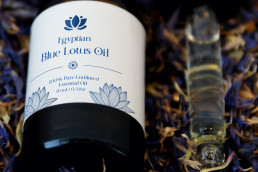
Diffusion is the most common form of aromatic use and often the most effective starting point for building a blue lotus practice. The equipment is simple, the technique is forgiving, and the olfactory-limbic route that drives much of the oil’s effect is engaged directly. What matters more than most users realise is the match between the type of diffuser, the size of the room, the duration of use, and the specific intention of the session. This article is the reference for that match, covering the main diffuser types, dosing ranges, daily protocols, and the common mistakes that reduce the benefit.
Table of Contents
- The Main Types of Diffuser
- Ultrasonic Diffusers
- Nebulising Diffusers
- Heat-Based Diffusers (Oil Warmers)
- Reed and Passive Diffusers
- Personal Inhalers
- Dosing by Room Size
- Duration and Pattern
- Placement in the Home
- Daily and Weekly Protocols
- Morning (Waking Routine)
- Daytime (Work)
- Evening (Wind-Down)
- Contemplative Practice
- Acute Stress Response
- Blends in the Diffuser
- Diffuser Maintenance
- Common Mistakes
- Troubleshooting
- The Diffuser Is Running but I Can Barely Smell Anything
- The Diffuser Is Producing an Oily Residue
- The Scent Seems Different from How the Bottle Smells
- Headache or Irritation with Use
- Safety
- Frequently Asked Questions
- Where to Go From Here
- Diffuse, Breathe, Arrive
It is written and clinically reviewed by Antonio Breshears, ND, CCA, a Bastyr-trained naturopathic doctor and certified clinical aromatherapist. For the broader aromatic practice context, our complete guide to blue lotus oil is the parent reference; for the chemistry behind why diffusion works, the chemical composition and therapeutic properties pillar.
The Main Types of Diffuser
Five technologies dominate the market, each with strengths and trade-offs relevant to blue lotus work.
Ultrasonic Diffusers
The most widely used format and the default recommendation for daily blue lotus practice. An ultrasonic diffuser uses a vibrating plate to break a mixture of water and essential oil into fine mist that is dispersed into the room. Advantages: low power draw, quiet operation, automatic shutoff when water runs out, mild humidification of the air, low cost. Disadvantages: the water-oil mixture dilutes the olfactory intensity somewhat, and the mist output is limited to smaller to mid-sized rooms.
For blue lotus, an ultrasonic diffuser with 100 to 200ml reservoir capacity suits most home applications. Larger models (400ml and above) often have more aggressive mist output, which is not particularly helpful for blue lotus; the oil works better at gentle sustained concentration than at high bursts.
Nebulising Diffusers
Nebulisers use pressurised air to atomise neat essential oil (no water), producing the most concentrated aromatic output available in consumer equipment. Advantages: full aromatic intensity, no dilution, rapid room saturation. Disadvantages: substantial oil consumption (not trivial for expensive oils like blue lotus), noisier operation than ultrasonic, shorter intermittent run times.
For blue lotus specifically, nebulising is usually the wrong tool for daily use because of the oil consumption. It has a role in acute intensive sessions (a high-stress afternoon, a specific contemplative intention, recovery from travel) where a short burst of strong aromatic presence is wanted. For these, thirty to sixty minutes of nebulising followed by ordinary room air is often more effective than extended lower-intensity diffusion.
Heat-Based Diffusers (Oil Warmers)
These heat a small reservoir of water and oil, either electrically or over a tealight candle, to accelerate evaporation. Advantages: simple, traditional, often attractive as objects. Disadvantages: heat alters the chemical profile of essential oils, reducing the therapeutic benefit; candle-based versions carry a fire risk.
Not recommended for blue lotus. The oil’s character, particularly the delicate top notes, suffers with heat.
Reed and Passive Diffusers
A bottle of oil (usually pre-blended with a solvent base) with reed sticks that draw the scent up for passive dispersal. Advantages: no power required, continuous subtle presence, low maintenance. Disadvantages: less control over intensity, consumes oil continuously even when the scent is not needed, usually designed around synthetic fragrances rather than therapeutic oils.
Reed diffusers have a minor role as a continuous subtle presence in a bathroom or entryway but are not the main tool for therapeutic blue lotus practice. If using one, look for formulations with pure oils rather than synthetic fragrance bases.
Personal Inhalers
Not strictly a room diffuser, but worth mentioning in this category because it is a related technology. A personal inhaler is a small tube with a cotton wick saturated with essential oil, used by holding the tube near the nose and inhaling directly. Advantages: portable, oil-efficient, suitable for acute use anywhere. Disadvantages: concentrated exposure that can produce olfactory fatigue if overused, no atmospheric effect for others in the room.
Useful as an adjunct to room diffusion for acute moments during the day. The protocols in our articles on anxiety and stress relief make use of this format.
Dosing by Room Size
The drop-count depends on both the diffuser capacity and the size of the room. A useful rule of thumb for ultrasonic diffusers using blue lotus.
- Small rooms (up to 10 square metres, e.g. a bathroom or small study): 2 drops of blue lotus in a 100 to 150ml reservoir.
- Medium rooms (10 to 20 square metres, e.g. a bedroom or home office): 3 to 4 drops in a 150 to 200ml reservoir.
- Larger rooms (20 to 40 square metres, e.g. a living room): 5 to 6 drops in a 200ml+ reservoir, or two smaller diffusers positioned at opposite sides of the space.
- Open-plan or very large rooms (40+ square metres): Multiple diffusers are more effective than a single large one. Blue lotus does not scale well to the very large room.
These are starting points. Adjust based on observed intensity: the scent should be perceptible but not dominant in the room when you first enter, and should not cause headache or irritation with sustained exposure.
Duration and Pattern
Intermittent diffusion is substantially preferable to continuous. Two reasons. First, the olfactory system adapts quickly to a sustained scent, so the conscious perception of the aromatic fades after thirty to forty-five minutes of continuous exposure. Second, continuous diffusion in a sealed space can produce headaches and ventilatory irritation, which defeats the purpose.
The practical patterns.
- Intermittent mode on the diffuser itself: most modern ultrasonics have a thirty-seconds-on, thirty-seconds-off mode that produces a gentle sustained presence over two to three hours without the olfactory-fatigue issue.
- Session-based use: thirty to forty-five minutes of continuous diffusion for a specific purpose (a contemplative sit, a wind-down period, an evening ritual), then off. The session pattern is usually the most effective for blue lotus.
- Pre-event priming: fifteen to twenty minutes of diffusion before a stressful event, an important meeting, or a contemplative session, to seed the room with the aromatic presence. Diffuser then turned off; the scent continues at lower intensity in the room air.
- Avoid all-day continuous diffusion. The olfactory system habituates and the benefit is lost. If you want a sustained aromatic atmosphere, rotate several oils across different zones and times of day rather than running one continuously.
Placement in the Home
Where a diffuser sits affects the practical benefit. Four placement principles.
Consistent placement per room. If the diffuser moves daily, the olfactory conditioning cannot form. A permanent position in each room you use regularly works substantially better than a roaming single device.
Horizontal surface at chest height or below. Mist rises; placing the diffuser on a low table produces better room-level distribution than placing it on a shelf or wall-mounted location.
Away from strong airflow. A diffuser directly under an air-conditioning vent or in the path of an open window sends most of its output out of the room immediately. Offset from these by at least a metre.
Safely away from electronics. Ultrasonic mist can deposit moisture on electronics over time. Keep the diffuser at least a metre from laptops, audio equipment, or any similar devices.
Daily and Weekly Protocols
The patterns that work reliably across the cluster articles on this site.
Morning (Waking Routine)
Brief diffusion (fifteen to twenty minutes) while getting ready. Two drops of blue lotus, optionally with a single drop of bergamot or sweet orange to brighten the floral. Sets a parasympathetic-but-alert baseline for the day. Best in the bathroom or bedroom rather than the kitchen (where cooking smells will overtake the aromatic within the hour).
Daytime (Work)
A desk diffuser running intermittently during deep-work sessions, two or three drops. Combine with the rollerball pattern described in our stress relief article. Switch the diffuser off during meetings or collaborative time; the aromatic atmosphere is for your own focus and is not always appropriate in shared spaces.
Evening (Wind-Down)
The most valuable single window. Diffusion starts thirty to forty-five minutes before bedtime, in the bedroom and the space immediately around it. Three to four drops. The diffuser turns off shortly before sleep, with a pillow spray taking over as the aromatic presence through the night. The full sleep protocol is in our sleep and dreams pillar; the pillow spray recipe is in our pillow spray article.
Contemplative Practice
Fifteen minutes of diffusion before sitting, two to three drops. Continues running during the practice itself. This is the pattern developed in our meditation and yoga practice pillar.
Acute Stress Response
Nebulising diffuser or personal inhaler rather than ultrasonic, for the concentrated rapid effect. The room-level atmospheric is a longer-term tool; acute work benefits from direct aromatic presence.
Blends in the Diffuser
Blue lotus diffuses well alone but pairs productively with several other oils depending on intention. A few reliable combinations for the diffuser.
- Blue lotus + lavender (1:1 by drops). General evening blend, the forgiving default.
- Blue lotus + bergamot (1:1). Morning blend, bright and lifting.
- Blue lotus + frankincense (2:1). Contemplative and evening work.
- Blue lotus + Roman chamomile (2:1). Anxious-sleep support.
- Blue lotus + cedarwood (2:1). Grounding for late afternoon and early evening.
- Blue lotus + rose (2:1). Emotional and heart-centred work.
Keep blends simple: two or three oils is the upper limit for most diffuser purposes. More complex blends lose their character in the dispersed form and the individual oils become indistinguishable.
Diffuser Maintenance
Unmaintained diffusers deliver progressively less effective aromatics. Clean weekly for daily-use devices.
- Empty the water reservoir between every use. Standing water develops biofilm over days.
- Wipe the reservoir and ultrasonic plate with a soft cloth after emptying. Weekly, use a cotton swab with a small amount of white vinegar to clean any oil residue from the plate.
- Descale monthly: fill the reservoir with half water and half white vinegar, run for ten minutes, empty, and rinse. This addresses mineral deposits that otherwise reduce mist output over months.
- For nebulising diffusers, the glass components require more careful cleaning. Follow manufacturer instructions; isopropyl alcohol is the typical cleaner.
Common Mistakes
- Too many drops. More is not better. Blue lotus at three drops in 150ml is already a substantial aromatic presence. Seven drops is not twice as effective; it is likely to produce a headache and waste the oil.
- Continuous all-day use. Olfactory habituation eliminates the benefit. Intermittent or session-based use is substantially more effective.
- Running the diffuser in a sealed room. A window or door open a small amount, for at least part of the session, maintains air quality and prevents the stale-scent problem.
- Using the diffuser with cleaning products present. Strong competing scents (bleach, citrus cleaner, commercial air freshener) overwhelm blue lotus immediately. Use in clean, unscented air.
- Expecting the diffuser to do all the work. Blue lotus benefits compound across multiple formats (diffusion, topical rollerball, pillow spray, occasional inhaler use). The diffuser is one tool among several, not a complete practice in itself.
Troubleshooting
The Diffuser Is Running but I Can Barely Smell Anything
Three possible causes. First, olfactory habituation (if you have been in the room for an hour): leave for ten minutes and return; the scent should be apparent. Second, insufficient drops for the room size: add one or two more, but do not exceed the ranges above. Third, a scaled or unclean ultrasonic plate: descale and clean as described.
The Diffuser Is Producing an Oily Residue
Blue lotus absolute has a higher viscosity than lighter essential oils and can leave a thin film in the reservoir over time. This is normal and addressed by weekly cleaning. If the residue is substantial or smells rancid, the oil may have degraded; check the oil’s shelf life.
The Scent Seems Different from How the Bottle Smells
Diffused aromatics disperse slightly differently from neat oils. The top notes fade more quickly in dispersion, leaving the heart and base notes more prominent. This is expected and not a fault of the oil or the diffuser.
Headache or Irritation with Use
Reduce the drop count, increase ventilation, and shorten the session. If symptoms persist, discontinue and consider whether a different oil might suit better.
Safety
Diffusion is the lowest-risk form of aromatic use but standard cautions apply: avoided in pregnancy and breastfeeding; use at reduced dose in rooms with children under five or not at all; pets, particularly cats, should have the option to leave a diffused room. Fuller safety detail is in our article on blue lotus oil safety, side effects and precautions.
Frequently Asked Questions
What kind of diffuser is best for blue lotus oil?
An ultrasonic diffuser with a 100 to 200ml reservoir, for daily use. A nebulising diffuser for acute or intensive sessions. Avoid heat-based diffusers, which degrade the oil’s character.
How many drops of blue lotus oil should I use in a diffuser?
Two to four drops for most home applications, scaled by room size: two drops in a small space, three to four in a bedroom or home office, five to six in a larger living room. More does not proportionally improve the effect.
Can I diffuse blue lotus oil all day?
Not advisable. Olfactory habituation reduces the benefit and sustained diffusion can cause headaches. Intermittent or session-based use (thirty to forty-five minutes at a time) is substantially more effective.
Can I diffuse blue lotus oil overnight?
A short evening diffusion session (thirty to forty-five minutes before sleep, turned off before bedtime) is the standard recommendation, with a pillow spray taking over for overnight aromatic presence.
Can I mix blue lotus oil with water in the diffuser?
Yes, this is the standard use for ultrasonic diffusers: fill the reservoir with water to the marked line, add the appropriate drops of blue lotus, and run. For nebulising diffusers, use the oil neat (no water).
Will diffusing blue lotus oil bother my pets?
Possibly, particularly for cats. Diffuse in rooms pets can leave, use lower drop counts, and observe your animals. If a cat avoids the room or shows any behavioural change, discontinue.
Can I diffuse blue lotus oil in the bedroom with my partner?
Yes, if your partner tolerates the scent. Scent preferences are individual; consult before establishing a bedroom diffusion practice. A lower drop count (two or three) suits shared rooms better.
How long does a bottle of blue lotus oil last in regular diffuser use?
At three drops per day, a 5ml bottle (approximately 100 drops) lasts a little over a month. A 10ml bottle lasts two to three months.
Can I use blue lotus oil in a humidifier?
Not advisable for most humidifiers; they are not designed for essential oils and the oils can degrade the humidifier’s components over time. Use a dedicated diffuser instead.
What if I do not have a diffuser?
Alternatives exist. Inhalation from the open bottle provides a concentrated brief exposure. A bowl of hot water with two or three drops produces a passive room-level presence. A cotton ball with a few drops placed near a radiator releases the scent slowly.
Where to Go From Here
For the specific protocols that build on diffusion, see our articles on sleep and dreams, anxiety, stress relief, and meditation and yoga practice. For the dilution side of aromatic use, our carrier oil pairings pillar. For the broader aromatic context, the complete guide. Everything on this site is hosted at Pure Blue Lotus Oil.

Antonio Breshears
Antonio Breshears is a renowned expert in holistic medicine and beauty, with over 25 years of research experience dedicated to uncovering the secrets of nature's most powerful remedies. Holding a degree in Naturopathic Medicine, Antonio's passion for healing and well-being has driven him to explore the intricate connections between mind, body, and spirit.
Over the years, Antonio has become a respected authority in the field, helping countless individuals discover the transformative power of plant-based therapies, including essential oils, herbs, and natural supplements. He has authored numerous articles and publications, sharing his wealth of knowledge with a global audience seeking to improve their overall health and well-being.
Antonio's expertise extends to the realm of beauty, where he has developed innovative, all-natural skincare solutions that harness the potency of botanical ingredients. His formulations embody his deep understanding of the healing properties found in nature, providing holistic alternatives for those seeking a more balanced approach to self-care.
With his extensive background and dedication to the field, Antonio Breshears is a trusted voice and guiding light in the world of holistic medicine and beauty. Through his work at Pure Blue Lotus Oil, Antonio continues to inspire and educate, empowering others to unlock the true potential of nature's gifts for a healthier, more radiant life.
Related Guides

COA Required for Cosmetic Batch Record Blue Lotus Oil: 2026
COA Required for Cosmetic Batch Record Blue Lotus Oil—what to verify: identity,…


Essential Oil Blends 2026: Blue Lotus Recipes & Ratios
Master essential oil blends with Blue Lotus recipes, safe dilution ratios, and…