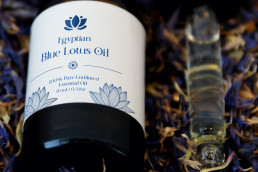
Using blue lotus oil for face is less about chasing dramatic results and more about building a considered evening ritual that works quietly over weeks. The oil is mildly antioxidant, gently aromatic, and well suited to sensitive, reactive, or dehydrated skin when diluted properly. This article walks through exactly how to use it, what to expect, and when it is the wrong choice.
Table of Contents
- What a Blue Lotus Face Ritual Actually Is
- How Blue Lotus Oil Helps the Skin
- Antioxidant activity from flavonoids
- Calming and anti-reactive properties
- Sensory and psychological effect
- How to Use Blue Lotus Oil for Face: The Ritual
- Choosing the carrier
- A simple 30 ml blend
- The ritual, step by step
- What to Expect: Realistic Timeframes
- When Blue Lotus Oil Is NOT the Right Choice for Your Face
- Complementary Approaches for Skin Health
- Common Mistakes to Avoid
- Frequently Asked Questions
- Where to Go From Here
- Begin Your Evening Ritual
It is written and clinically reviewed by Antonio Breshears, ND, CCA, a Bastyr-trained naturopathic doctor and certified clinical aromatherapist. For broader context on the botany, chemistry, and general uses of this oil, see the complete guide to blue lotus oil, which sits as the master reference for everything on this site.
What a Blue Lotus Face Ritual Actually Is
A face ritual is not a single product application. It is a short, repeatable sequence that you perform most evenings, built around cleansing, treatment, hydration, and a final occlusive layer. Blue lotus oil fits into the treatment or finishing step depending on your skin type and the carrier you choose.
The appeal of blue lotus (Nymphaea caerulea) for facial use is threefold. First, its flavonoid profile, dominated by quercetin, kaempferol, and apigenin, offers modest antioxidant support against the oxidative stress that contributes to dullness and premature ageing. Second, the aromatic complexity, a cool floral-aquatic opening moving into deep honeyed-floral heart notes, activates the olfactory-limbic pathway and encourages a parasympathetic state, which is genuinely useful if your skin flares with stress. Third, the oil is unusually gentle when properly diluted, making it a sensible option for reactive or mature skin that does not tolerate more stimulating essential oils.
What it is not: a retinoid, a chemical exfoliant, or a replacement for proven actives like vitamin C, niacinamide, or azelaic acid. If you have specific goals like fading post-inflammatory hyperpigmentation or clearing cystic acne, blue lotus is a supporting player in your routine, not the hero.
How Blue Lotus Oil Helps the Skin
Three mechanisms matter for facial application, and each operates modestly rather than dramatically.
Antioxidant activity from flavonoids
Quercetin, kaempferol, and apigenin are reasonably well-attested antioxidants in dermatological research, though most of that work is on isolated compounds rather than blue lotus absolute specifically. In practical terms, this means a diluted facial blend may help buffer the oxidative load from pollution, UV residue, and daily stress, particularly when used consistently over months. Expect subtle improvements in radiance and tone uniformity, not visible line reversal.
Calming and anti-reactive properties
Skin that flushes easily, reacts to new products, or feels irritated by stronger essential oils often tolerates blue lotus well at low dilution. The aromatic molecules are comparatively large and the absolute is typically applied at 1 to 2 percent, which keeps it within a safe range for facial skin. The aroma itself may reduce the stress response that drives redness and barrier dysfunction in susceptible people.
Sensory and psychological effect
This is underrated. A face ritual that genuinely calms you down at the end of the day supports sleep, reduces nighttime cortisol, and improves the skin’s overnight repair window. Blue lotus is particularly good at this because its scent is distinctive without being polarising, and most people find it subjectively luxurious rather than medicinal.
How to Use Blue Lotus Oil for Face: The Ritual
The following protocol assumes you are using a quality blue lotus absolute diluted into a suitable carrier. Never apply undiluted absolute to facial skin. The correct dilution for face is 1 to 2 percent, which means roughly 6 to 12 drops of absolute per 30 ml of carrier oil.
Choosing the carrier
Your carrier matters more than most people realise, because it is 98 to 99 percent of what actually contacts your skin. For normal to dry skin, jojoba is the default: it mimics sebum, absorbs cleanly, and does not go rancid quickly. For mature or very dry skin, a blend of jojoba and squalane works beautifully. For oil-prone or combination skin that still wants the benefits of blue lotus, use hemp seed oil or a very light grapeseed, both of which are low on the comedogenic scale. Avoid coconut oil on the face; it is pleasant but comedogenic for many people.
A simple 30 ml blend
Combine 30 ml jojoba oil with 8 drops of blue lotus absolute (approximately 1.3 percent dilution). Decant into a dark glass dropper bottle and store somewhere cool and dark. Shake gently before each use.
The ritual, step by step
- Cleanse. Double cleanse in the evening if you wear sunscreen or makeup: an oil or balm cleanser first, then a gentle foaming or cream cleanser. Rinse with lukewarm water and pat dry, leaving the skin slightly damp.
- Hydrating mist or essence. A simple rose or hyaluronic acid mist increases the skin’s water content, which helps the subsequent oil layer spread more evenly.
- Actives (if using). Apply your retinoid, peptide serum, or other water-based actives here. Wait one to two minutes.
- Blue lotus facial oil. Warm three to five drops of the diluted blend between your palms. Press gently onto the face and neck, then use slow upward sweeping motions. Inhale deeply three times with your palms cupped over your nose; this is where the aromatic benefit engages.
- Moisturiser or sleep mask (optional). If your skin is very dry or it is winter, layer a light moisturiser over the oil to lock it in.
Frequency: three to five evenings per week is sensible. Every night is fine for most skin types, but if you are layering actives like retinoids, alternating nights gives the skin recovery time.
What to Expect: Realistic Timeframes
Skincare works on the timeline of the skin, not the timeline of marketing copy. Here is an honest framework.
Week one. You will notice the sensory experience immediately. The skin may feel softer and better hydrated the morning after use, mostly from the carrier oil. Do not expect visible changes in tone or texture yet.
Weeks two to four. If the blend agrees with your skin, dehydration lines soften, the complexion looks slightly more even, and you may notice you are reacting less to other products. This is the period where you also confirm there is no delayed sensitivity.
Weeks four to twelve. The antioxidant effect, if present, shows up here as modest radiance improvements and marginally better tone uniformity. Do not expect dramatic line reversal or pigment clearing; those require different actives.
Beyond three months. Consistency compounds. A gentle, calming ritual performed nightly for a year supports the skin’s barrier function in ways that are hard to measure but easy to feel. This is where the real value sits.
If after six to eight weeks of consistent use you see no benefit and no pleasure, the ritual is not for you. Not every oil suits every skin, and blue lotus is no exception.
When Blue Lotus Oil Is NOT the Right Choice for Your Face
Honesty matters more than enthusiasm here. Blue lotus is not appropriate in several situations.
Active cystic or inflammatory acne. If you are dealing with significant breakouts, you need targeted actives like adapalene, benzoyl peroxide, or azelaic acid under professional guidance. Adding a facial oil, even a gentle one, is not the right priority and may worsen congestion depending on the carrier.
Pregnancy and breastfeeding. Blue lotus should be avoided during pregnancy and breastfeeding. There is insufficient safety data on the alkaloid content (aporphine, nuciferine) to recommend facial use during these periods.
Known sensitivity to florals or to solvent-extracted absolutes. Absolutes retain trace solvent residues and concentrated aromatic compounds that can provoke reactions in people with fragrance sensitivities. Always patch test on the inner forearm for 48 hours before facial application.
Compromised barrier function. If your skin is actively flaking, burning, or stinging from over-exfoliation or a retinoid reaction, pause essential oils entirely and rebuild the barrier with simple ceramide-based products first.
Dopaminergic medications, MAOIs, or heavy sedative use. While facial topical application involves small amounts, if you are on these medications and plan to use blue lotus consistently, mention it to your prescriber. This is a precaution rather than a strong contraindication.
Complementary Approaches for Skin Health
A face ritual is one input among many. If you are investing in a thoughtful evening routine, pay equal attention to the factors that actually determine long-term skin quality.
Sun protection. The single most effective anti-ageing intervention remains daily broad-spectrum SPF 30 or higher. Any gains from evening antioxidant oils are multiplied or erased by your daytime UV exposure.
Sleep quality. The skin repairs overnight. A calming pre-sleep ritual that actually helps you fall asleep faster and stay asleep longer is worth more than any serum. Blue lotus contributes here aromatically, which is part of why it earns its place in the evening sequence.
Hydration and diet. Adequate water, omega-3 fatty acids, and a reasonable intake of colourful vegetables support barrier function from the inside. Topical antioxidants are useful but small compared to this.
Targeted actives when warranted. For specific concerns: retinoids for texture and fine lines, vitamin C in the morning for radiance, niacinamide for pore appearance and tone, azelaic acid for redness and post-inflammatory pigmentation. Blue lotus supports these; it does not replace them.
Professional input. If you are dealing with persistent acne, rosacea, melasma, or any skin issue that does not respond to home care within three months, see a dermatologist. A facial oil is not a substitute for clinical assessment.
Common Mistakes to Avoid
A few patterns undermine otherwise good routines.
Using the absolute undiluted. This is the most common error. A single drop of pure absolute on the face is too concentrated and risks sensitisation. Always dilute.
Applying too much. Three to five drops of the diluted blend is plenty for the whole face and neck. More is not better; it just sits on top and feels greasy.
Skipping the patch test. A 48-hour patch test on the inner forearm is not optional. Sensitivity can develop even with gentle oils.
Using old carrier oil. Rancid carrier oil is worse than no carrier oil. Jojoba has a long shelf life (two years or more); most other oils want to be used within six to twelve months. Smell your blend regularly.
Expecting it to do the work of actives. Blue lotus is a supportive, sensory, mildly antioxidant oil. It is not retinol. Calibrate your expectations.
Frequently Asked Questions
Can I apply pure blue lotus oil directly to my face?
No. Blue lotus absolute is highly concentrated and should always be diluted into a carrier oil at 1 to 2 percent for facial use. Undiluted application risks irritation and sensitisation, and it wastes a precious and expensive material.
What is the best carrier oil to mix with blue lotus for the face?
Jojoba is the default choice for most skin types: it mimics the skin’s own sebum, absorbs cleanly, and has a long shelf life. For dry or mature skin, blend jojoba with squalane. For oilier skin, hemp seed or grapeseed oil works well.
How many drops of blue lotus oil should I put in a 30 ml facial blend?
Six to twelve drops of blue lotus absolute per 30 ml of carrier oil gives a 1 to 2 percent dilution, which is the correct range for facial skin. Start at the lower end, especially if you have sensitive skin.
Will blue lotus oil help with acne?
It may help with mild inflammation and stress-triggered breakouts by calming the skin and supporting barrier function. It is not a treatment for moderate or severe acne, which requires targeted actives under professional guidance. If your skin is oil-prone, use a low-comedogenic carrier like hemp seed or grapeseed.
Can I use blue lotus oil around my eyes?
Avoid direct application to the eyelids and the immediate eye area. The skin there is especially thin and the aromatic compounds may irritate. Apply to the cheekbones and temples instead; the aroma still reaches you and the active skin zones benefit.
How long before I see results from a blue lotus face ritual?
Expect subtle hydration and texture improvements within two to four weeks, and more noticeable radiance and tone benefits between four and twelve weeks of consistent nightly use. It is a slow, cumulative oil rather than a dramatic short-term fix.
Can I use blue lotus oil in the morning?
It is possible but not ideal. The aroma encourages relaxation, which is better suited to evening use. Morning routines benefit more from brightening actives like vitamin C. If you do use it in the daytime, keep the dilution low and always layer sunscreen over it.
Does blue lotus oil clog pores?
The absolute itself is used in such small amounts that comedogenicity is driven almost entirely by your carrier oil. Choose a low-comedogenic carrier like jojoba, hemp seed, or grapeseed, and the finished blend should be well tolerated by most skin types.
Is blue lotus absolute safe for sensitive skin?
At 1 percent dilution in a gentle carrier, it is generally well tolerated by sensitive skin, and many people find it less reactive than more stimulating floral oils like neroli or ylang ylang. That said, always patch test for 48 hours before facial application, and stop immediately if you notice redness, itching, or burning.
Can I combine blue lotus with retinol or other actives?
Yes, with sensible sequencing. Apply your water-based actives first (retinoid, peptide serum, or hyaluronic acid), wait one to two minutes, then layer the blue lotus facial oil on top. On retinoid nights, some people prefer to skip the oil entirely to simplify the routine and let the retinoid work unhindered.
Where to Go From Here
A considered face ritual built around blue lotus rewards patience and consistency far more than intensity. Pick a carrier that suits your skin, dilute correctly, use it most evenings for at least six weeks, and judge the results honestly. If it earns its place, keep it; if it does not, the oil has plenty of other uses in diffusion, bathing, and bodywork. For broader context on how this oil fits into aromatherapy and apothecary practice more widely, revisit the complete guide to blue lotus oil.

Antonio Breshears
Antonio Breshears is a renowned expert in holistic medicine and beauty, with over 25 years of research experience dedicated to uncovering the secrets of nature's most powerful remedies. Holding a degree in Naturopathic Medicine, Antonio's passion for healing and well-being has driven him to explore the intricate connections between mind, body, and spirit.
Over the years, Antonio has become a respected authority in the field, helping countless individuals discover the transformative power of plant-based therapies, including essential oils, herbs, and natural supplements. He has authored numerous articles and publications, sharing his wealth of knowledge with a global audience seeking to improve their overall health and well-being.
Antonio's expertise extends to the realm of beauty, where he has developed innovative, all-natural skincare solutions that harness the potency of botanical ingredients. His formulations embody his deep understanding of the healing properties found in nature, providing holistic alternatives for those seeking a more balanced approach to self-care.
With his extensive background and dedication to the field, Antonio Breshears is a trusted voice and guiding light in the world of holistic medicine and beauty. Through his work at Pure Blue Lotus Oil, Antonio continues to inspire and educate, empowering others to unlock the true potential of nature's gifts for a healthier, more radiant life.