Create your own Blue Lotus Oil by steeping dried petals in a light carrier oil for several weeks, allowing the essence to blend for personal use.
Table of Contents
- What Is Blue Lotus Oil?
- DIY Blue Lotus Oil: Step-by-Step Guide
- Gather Materials and Prepare the Workspace
- Fill the Jar with Dried Flowers
- Pour Carrier Oil Over Flowers
- Seal and Begin the Infusion Process
- Strain the Infusion Carefully
- Transfer to Storage Bottles
- Label and Date Your Infused Oil
- Storage and Maintenance
- Understanding the Basics
- Infused Blue Lotus Oil
- Choosing a Carrier Oil
- Benefits of a DIY Approach
- Sourcing High-Quality Blue Lotus Flowers
- Ensure Authenticity with Botanical Verification
- Look for Organic or Wildcrafted Options
- Quality Indicators
- Choose a Reputable, Specialised Supplier
- Purchase in Small Batches for Freshness
- Tools and Ingredients Needed
- Carrier Oil
- Dried Blue Lotus Flowers
- Wide-Mouth Glass Jar
- Cheesecloth or Fine Strainer
- Glass Dropper Bottles for Storage
- Low-Heat Source (Optional)
- Alternative Methods for Enhanced Potency
- Double Infusion Method
- Low-Heat Infusion for Controlled Concentration
- Alcohol-Assisted Extraction (Pre-Treatment Method)
- Sunlight-Activated Infusion for a Complex Scent Profile
- Storing Your Homemade Blue Lotus Oil
- Uses of DIY Blue Lotus Oil
- Aromatherapy Diffusion
- Massage and Body Relaxation
- Skincare Enhancer
- Bath Rituals
- Meditative Aid
- Perfume Alternative
- Bedtime Linen Spray
- Hair Care Treatment
- Safety Tips and Precautions
- Conduct a Thorough Patch Test
- Dilution Is Key
- Avoid Use on Sensitive Areas
- Be Cautious Around Pregnant Individuals and Children
- Limit Sun Exposure on Treated Areas
- Store Properly to Preserve Potency
- Respect Individual Sensitivity Over Time
Creating your own Blue Lotus Oil can be a deeply rewarding and immersive experience, allowing you to connect with the rich history of this sacred plant while crafting an oil tailored to your personal needs. Traditionally revered in ancient Egyptian culture, Blue Lotus Oil is prized today for its relaxing, mildly euphoric effects and skin-enhancing properties. Making it yourself offers the unique advantage of controlling the quality and concentration, as well as infusing it with your personal intention.
When making Blue Lotus Oil at home, you can produce an infusion rather than a pure essential oil, which requires complex distillation equipment. Yet, a DIY infusion still captures the essence of the Blue Lotus flower beautifully, preserving its therapeutic and aromatic qualities in a way that’s accessible and practical. This process requires a few key tools and ingredients but is straightforward, letting you bring ancient wellness practices into your own routine.
In this guide, we’ll walk you through the entire DIY process, from sourcing high-quality dried Blue Lotus flowers to choosing the best infusion method. With simple steps, proper storage tips, and a little patience, you’ll have a luxurious, custom-made Blue Lotus Oil to use in skincare, aromatherapy, or meditation practices. Whether you’re new to DIY oils or an experienced enthusiast, making Blue Lotus Oil allows you to experience the botanical power of this flower in a personal, meaningful way.
What Is Blue Lotus Oil?
Blue lotus oil, also known as blue water lily oil or sacred blue lily oil, is an essential oil that is extracted from the petals of the blue lotus flower or Nymphaea caerulea. It has been a part of spiritual and healing rituals since ancient Egyptian times and was highly valued for its various properties. The oil possesses a unique, enchanting aroma and has been used in aromatherapy and skincare products, as well as in relaxation and meditation practices.
DIY Blue Lotus Oil: Step-by-Step Guide
Making your own Blue Lotus Oil allows you to control every detail of the process, from ingredient quality to infusion time. Follow this guide for the best results:
Gather Materials and Prepare the Workspace
Clean and dry all tools: jars, strainer, and storage bottles. This reduces contamination and extends your oil’s shelf life. Lay out dried Blue Lotus petals and your chosen carrier oil (such as jojoba or almond).
Fill the Jar with Dried Flowers
Add dried Blue Lotus petals to your jar, filling it about halfway to allow full oil immersion. This prevents overcrowding, ensuring a rich, concentrated infusion.
Pour Carrier Oil Over Flowers
Pour carrier oil over the petals until fully submerged, leaving about an inch of space at the top. Stir gently with a clean utensil to release trapped air bubbles, which can affect infusion quality.
Seal and Begin the Infusion Process
Cold Infusion: Store the sealed jar in a dark, cool place for 4–6 weeks. Shake gently every 2–3 days to encourage extraction.
Warm Infusion (faster method): Place the jar in indirect sunlight or near a gentle heat source for 1–2 weeks. Rotate the jar daily to keep oils circulating evenly, but avoid direct, intense sunlight, which can degrade the oil.
Strain the Infusion Carefully
After the infusion period, strain the mixture through cheesecloth or a fine strainer into a clean bowl. Press petals gently to extract as much oil as possible, then discard the flowers. Filtering twice can ensure a clear, smooth oil.
Transfer to Storage Bottles
Use a funnel to pour the infused oil into amber or cobalt glass bottles to protect it from light. Seal tightly to avoid oxidation.
Label and Date Your Infused Oil
Label each bottle with the date of infusion completion. While properly stored Blue Lotus Oil can last up to 12 months, aim to use it within 6–8 months for the best potency and aroma.
Storage and Maintenance
Store your oil in a cool, dark place. Check occasionally for changes in scent or consistency, which can indicate spoilage.
By following this method, you create a potent Blue Lotus Oil that captures the essence and benefits of this cherished flower. Use your infusion in skincare, aromatherapy, or spiritual practices, knowing it’s crafted with quality and care.
Understanding the Basics
Before diving into the DIY process, it’s essential to understand the types of Blue Lotus Oil you can make at home. There are two main forms: infused Blue Lotus Oil and pure essential oil. While pure essential oil requires advanced distillation equipment that’s challenging to use outside a lab setting, a high-quality infused Blue Lotus Oil offers a great alternative, capturing much of the flower’s aroma, therapeutic compounds, and beneficial properties.
Infused Blue Lotus Oil
This method involves steeping dried Blue Lotus petals in a carrier oil like jojoba or sweet almond oil, which absorbs the flower’s aroma and properties over time. Though not as concentrated as essential oil, an infusion is gentler on the skin and versatile for uses in aromatherapy, skincare, and massage.
Choosing a Carrier Oil
The carrier oil plays a significant role in determining the infusion’s quality. Look for light, stable oils like jojoba, sweet almond, or grapeseed oil, which have a neutral scent and good shelf life. This helps the Blue Lotus aroma and properties shine through without interference from the carrier.
Benefits of a DIY Approach
Making Blue Lotus Oil at home lets you control the process, ensuring quality from start to finish. You can adjust the concentration, use organic ingredients, and create a custom oil free from additives or synthetic compounds. Plus, the DIY approach brings a personal touch, allowing you to connect with the oil-making process and enjoy the satisfaction of creating a natural wellness product tailored to your needs.
With this foundational knowledge, you’re ready to start crafting your own Blue Lotus Oil infusion, combining tradition with modern natural skincare and wellness.
Sourcing High-Quality Blue Lotus Flowers
The effectiveness of your homemade Blue Lotus Oil largely depends on the quality of the flowers you use. Here’s how to source the best Blue Lotus flowers for your infusion:
Ensure Authenticity with Botanical Verification
True Blue Lotus (Nymphaea caerulea), indigenous to Egypt, possesses unique calming and mildly euphoric properties. To avoid look-alikes like Nymphaea alba, confirm that the supplier specifies “Nymphaea caerulea” and ideally “Egyptian Blue Lotus” to guarantee authenticity.
Look for Organic or Wildcrafted Options
Organic or wild-harvested Blue Lotus flowers are typically free from pesticides and preservatives, making them safe and potent for infusion. This ensures that your final oil remains as natural and therapeutic as possible.
Quality Indicators
High-grade dried Blue Lotus petals retain a vibrant blue or purple hue, a strong floral scent, and intact petal structure. Dull, crumbly, or faded petals may have lost potency or been improperly stored. Freshly dried petals should release a distinctive, mildly sweet aroma upon opening the package.
Choose a Reputable, Specialised Supplier
Reliable suppliers will provide information about the origin and drying methods of the flowers. Seek vendors with a strong track record in herbal or botanical products, verified by customer reviews or certifications like GMP (Good Manufacturing Practice).
Purchase in Small Batches for Freshness
Essential compounds can degrade over time, so buy in small quantities for immediate use. Storing flowers for too long before infusing may reduce the quality of your DIY oil.
By carefully sourcing high-quality Blue Lotus flowers, you’ll create an infusion that captures the plant’s full aromatic and therapeutic qualities, resulting in a richer, more effective DIY Blue Lotus Oil.
Tools and Ingredients Needed
Crafting a high-quality Blue Lotus Oil at home requires specific tools and ingredients to ensure an effective infusion. Here’s a guide to the essentials, along with tips for each choice:
Carrier Oil
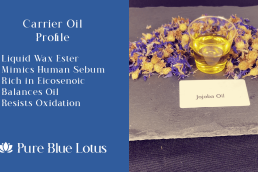
Choose a stable, neutral-scented carrier oil, like jojoba, sweet almond, or grapeseed. Each has a unique benefit: jojoba closely mimics natural skin oils, sweet almond adds mild hydration, and grapeseed is lightweight and absorbs quickly. Avoid strongly scented oils, as they can mask Blue Lotus’s delicate aroma.
Dried Blue Lotus Flowers
Source organic or wildcrafted dried Blue Lotus petals. For optimal potency, use fresh dried petals with a vibrant colour and strong scent (as described in the previous section) to ensure a rich infusion.
Wide-Mouth Glass Jar
Use a clean, dry, wide-mouth glass jar for the infusion, ideally in amber or cobalt glass to limit light exposure. A wide opening allows you to easily remove petals and stir the mixture, promoting better oil absorption.
Cheesecloth or Fine Strainer
After the infusion period, strain out the Blue Lotus petals using cheesecloth or a fine-mesh strainer to achieve a smooth, particle-free oil. This step is essential for prolonging the oil’s shelf life by removing plant material.
Glass Dropper Bottles for Storage
Once strained, transfer the infused oil into amber or cobalt glass dropper bottles to protect it from light and oxidation. Dropper bottles allow for precise application, whether you’re using it for skincare, aromatherapy, or rituals.
Low-Heat Source (Optional)
To speed up infusion, you can use a low, indirect heat source like a double boiler or sunlight. Maintain a gentle warmth, as excessive heat can damage the oil’s active compounds. A double-boiler method offers better temperature control than direct sunlight.
With these tools and ingredients, you’re equipped to make a high-quality Blue Lotus infusion at home, ensuring that the process enhances the plant’s natural properties and delivers an effective, aromatic oil.
Alternative Methods for Enhanced Potency
If you’re looking to create a more potent Blue Lotus Oil, these advanced infusion techniques will help you maximise the flower’s therapeutic compounds, resulting in a richer, more aromatic oil.
Double Infusion Method
Process: After the initial 4–6 week infusion, strain out the Blue Lotus petals, discard them, and add a fresh batch of dried petals to the same oil. Let this sit for an additional 2–4 weeks.
Benefit: This method amplifies the oil’s potency as each round extracts more of the flower’s bioactive compounds, resulting in a deeply concentrated oil ideal for aromatherapy and skincare.
Low-Heat Infusion for Controlled Concentration
Process: Place the sealed jar of petals and carrier oil in a double boiler set to low heat (no more than 40°C/104°F) for 4–6 hours.
Benefit: A low, stable heat speeds up the extraction process without damaging the delicate components of Blue Lotus. Monitor the temperature carefully, as overheating can degrade the oil’s beneficial properties.
Alcohol-Assisted Extraction (Pre-Treatment Method)
Process: Lightly soak dried petals in high-proof food-grade alcohol for 15 minutes, then let the petals air dry completely before adding them to the carrier oil. Infuse as usual.
Benefit: Alcohol helps break down plant cell walls, allowing the carrier oil to absorb a higher concentration of aromatic compounds and bioactives, resulting in a more potent and fragrant oil.
Sunlight-Activated Infusion for a Complex Scent Profile
Process: Place the sealed jar on a windowsill with indirect sunlight for 1–2 weeks, rotating it daily.
Benefit: Sunlight gently warms the oil, enhancing its floral notes and bringing out a warmer, deeper fragrance profile. This technique is particularly effective if you prefer a rich, earthy scent in your final product.
Each of these methods provides a unique way to enrich your Blue Lotus Oil infusion, allowing you to tailor the intensity and aroma of your oil based on personal preferences. Experiment with these techniques for a truly customised, high-potency Blue Lotus Oil that’s perfect for aromatherapy, skincare, and relaxation rituals.
Storing Your Homemade Blue Lotus Oil
Proper storage is crucial to preserving the quality, aroma, and potency of your homemade Blue Lotus Oil. Follow these detailed steps to ensure longevity:
- Use Dark Glass Bottles
- Why: Dark amber or cobalt glass protects the oil from light exposure, which can break down its bioactive compounds. Avoid plastic containers, as essential oils can degrade plastics over time.
- Tip: For maximum convenience, use dropper bottles, which allow precise dosing and reduce contamination.
- Seal Tightly to Prevent Oxidation
- Why: Exposure to air can oxidise the oil, altering its aroma and reducing its effectiveness.
- Tip: Ensure the lid is tightly sealed after each use. For best results, avoid opening the bottle frequently or leaving it open for extended periods.
- Store in a Cool, Dark Place
- Why: Heat and direct sunlight can degrade essential oils, leading to a loss of potency and fragrance.
- Tip: Choose a cabinet or drawer away from direct light, ideally in a room with consistent, cool temperatures. Avoid bathrooms, where fluctuating humidity and temperatures can impact the oil’s stability.
- Label with Date and Ingredients
- Why: Since homemade infusions have a shorter shelf life, labeling helps track freshness and potency.
- Tip: Write the infusion date and carrier oil used. Infused Blue Lotus Oil generally lasts 6–12 months when stored properly.
- Optional: Refrigerate for Extended Freshness
- Why: Refrigeration slows oxidation, preserving the oil’s properties for a longer time.
- Tip: If refrigerated, allow the oil to reach room temperature before use to maintain a consistent texture.
By following these guidelines, you’ll maintain the quality and efficacy of your Blue Lotus Oil infusion, allowing you to enjoy its benefits over time. Proper storage safeguards your effort and investment, ensuring each application is as effective and aromatic as the first.
Uses of DIY Blue Lotus Oil
Your DIY Blue Lotus Oil infusion offers versatile uses across wellness, skincare, and relaxation. Here’s how to maximise its benefits:
Aromatherapy Diffusion
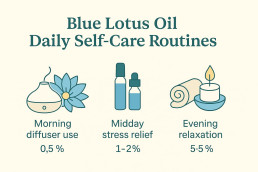
Usage: Add 5–7 drops to a diffuser. For a layered aroma, blend with oils like sandalwood or frankincense.
Benefits: Creates a calming environment, reducing stress and uplifting mood. Ideal for evening relaxation or grounding morning routines.
Massage and Body Relaxation
Usage: Mix 1–2 tablespoons with a neutral oil. Use for a full-body massage or target sore muscles.
Benefits: Relieves muscle tension and reduces inflammation. Perfect for end-of-day relaxation or after intense physical activity.
Skincare Enhancer
Usage: Apply 2–3 drops after cleansing or mix with your night cream. Patch-test first for sensitive skin.
Benefits: Soothes, hydrates, and provides antioxidants for anti-aging. Ideal for balancing oil in combination skin and adding glow to dry or mature skin.
Bath Rituals
Usage: Add 5–10 drops to Epsom salt or bath oil, then pour into warm bathwater.
Benefits: Transforms bath time into a spa experience, soothing muscles and calming the mind. Ideal for pre-bedtime relaxation.
Meditative Aid
Usage: Dab onto pulse points or add to an essential oil roller for meditation sessions.
Benefits: Enhances focus and promotes tranquility. The scent helps anchor mindfulness and enriches meditation, yoga, or breathwork.
Perfume Alternative
Usage: Apply sparingly on wrists, neck, or layer with complementary scents.
Benefits: Offers a subtle, natural fragrance with earthy floral notes, making it a unique and personal scent choice.
Bedtime Linen Spray
Usage: Dilute 10–15 drops in water with a splash of witch hazel; spritz on pillows and sheets.
Benefits: Encourages deep, restful sleep and promotes calm, adding a gentle, relaxing fragrance to your nighttime routine.
Hair Care Treatment
Usage: Add a few drops to your shampoo or mix with a carrier for scalp massage.
Benefits: Soothes the scalp, adds shine, and supports hair health with natural antioxidants. Suitable for dry, flaky, or sensitive scalps.
By experimenting with these uses, your DIY Blue Lotus Oil becomes a multipurpose tool for a balanced lifestyle, helping you incorporate nature’s benefits into skincare, relaxation, and overall wellness.
Safety Tips and Precautions
Using DIY Blue Lotus Oil safely is essential for maximising its benefits while protecting your skin and overall wellness. Here’s a detailed guide on safe practices and precautions:
Conduct a Thorough Patch Test
How: Apply a small amount of diluted Blue Lotus Oil to the inner arm and wait 24 hours. Monitor for signs of irritation, including redness or itching, especially if you have sensitive skin.
Tip: Avoid using the oil on recently shaved, broken, or compromised skin, as these areas are more prone to irritation.
Dilution Is Key
Guideline: Essential oils are highly concentrated, and Blue Lotus Oil is no exception. Mix 1–2 drops of the infusion with a teaspoon of carrier oil (e.g., jojoba, almond) before applying to larger skin areas.
Tip: Start with a lower dilution if using on the face, as facial skin can be particularly sensitive.
Avoid Use on Sensitive Areas
Why: Essential oils should not come in contact with sensitive areas, including around the eyes, mouth, and inner nostrils.
Tip: If accidental contact occurs, use a carrier oil like coconut or olive oil to gently wipe the area instead of rinsing with water, which can spread the oil.
Be Cautious Around Pregnant Individuals and Children
Why: Essential oils can affect children’s and pregnant individuals’ systems more strongly due to hormonal and physiological sensitivities.
Tip: Consult a healthcare provider before using Blue Lotus Oil if pregnant, breastfeeding, or planning to use it around children. Diffuse oils in well-ventilated spaces and at low concentrations around sensitive groups.
Limit Sun Exposure on Treated Areas
Why: Some essential oils increase photosensitivity, potentially causing skin reactions when exposed to sunlight.
Tip: Wait several hours before sun exposure after applying Blue Lotus Oil on the skin, or use at night to avoid direct UV interaction.
Store Properly to Preserve Potency
Storage Guide: Essential oils are susceptible to heat, light, and air, all of which can degrade their quality.
Tip: Store Blue Lotus Oil in an airtight amber or cobalt bottle, away from sunlight and heat, ideally in a cool, dark space to prolong potency. Label your bottle with the preparation date to monitor freshness.
Respect Individual Sensitivity Over Time
Guideline: Essential oils may cause cumulative sensitivity with prolonged use. Even if initial applications are tolerated, re-evaluate every few weeks.
Tip: Rotate the oil with other gentle options, such as lavender or chamomile infusions, to reduce potential sensitivity buildup.
By following these guidelines, you’ll ensure that your Blue Lotus Oil is used safely, allowing you to experience its therapeutic benefits without compromising skin health or overall wellness.

Antonio Breshears
Antonio Breshears is a renowned expert in holistic medicine and beauty, with over 25 years of research experience dedicated to uncovering the secrets of nature's most powerful remedies. Holding a degree in Naturopathic Medicine, Antonio's passion for healing and well-being has driven him to explore the intricate connections between mind, body, and spirit.
Over the years, Antonio has become a respected authority in the field, helping countless individuals discover the transformative power of plant-based therapies, including essential oils, herbs, and natural supplements. He has authored numerous articles and publications, sharing his wealth of knowledge with a global audience seeking to improve their overall health and well-being.
Antonio's expertise extends to the realm of beauty, where he has developed innovative, all-natural skincare solutions that harness the potency of botanical ingredients. His formulations embody his deep understanding of the healing properties found in nature, providing holistic alternatives for those seeking a more balanced approach to self-care.
With his extensive background and dedication to the field, Antonio Breshears is a trusted voice and guiding light in the world of holistic medicine and beauty. Through his work at Pure Blue Lotus Oil, Antonio continues to inspire and educate, empowering others to unlock the true potential of nature's gifts for a healthier, more radiant life.