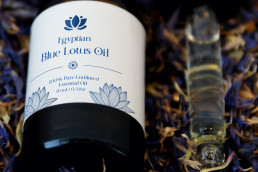
If your cuticles are ragged, your nail beds dry, and your hands tell the story of too much washing-up liquid and not enough tenderness, this article is for you. Using blue lotus oil for cuticles is not a miracle fix, but as part of a nightly ritual it can genuinely soften the skin around the nail, reduce the urge to pick, and lend a contemplative, floral quality to what is otherwise a very ordinary piece of self-care.
Table of Contents
- Understanding the Cuticle (and Why It Matters)
- How Blue Lotus Oil Helps With Cuticles and Nails
- Flavonoid-Rich, Mildly Skin-Supportive Chemistry
- A Fragrance That Turns Ritual into Ritual
- A Parasympathetic Cue Before Bed
- How to Use Blue Lotus Oil for Cuticles and Nails
- A Basic Cuticle Oil Formulation
- The Nightly Ritual
- Weekly Deep Treatment
- What to Expect: Realistic Timeframes
- When Blue Lotus Oil Is Not the Right Choice
- Complementary Approaches for Healthier Nails
- Frequently Asked Questions
- Where to Go From Here
- Softer Cuticles, Softer Evenings
It is written and clinically reviewed by Antonio Breshears, ND, CCA, a Bastyr-trained naturopathic doctor and certified clinical aromatherapist. For broader context on the oil’s chemistry, sourcing, and general use, see the complete guide to blue lotus oil, which covers the material this article assumes you already know.
Understanding the Cuticle (and Why It Matters)
The cuticle is the thin band of skin at the base of the nail, and its job is quietly important: it seals the space between the nail plate and the surrounding skin, keeping bacteria, fungi, and moisture out of the nail matrix where the nail is actually being grown. When cuticles are dry, they crack. When they crack, they catch on things, peel, sometimes bleed, and occasionally become infected. More often they simply look rough and feel tight, which in turn tempts people to pull at them, which worsens the whole cycle.
Healthy cuticles are soft, pliable, slightly shiny, and sit snugly against the nail plate. They should not be cut aggressively (the common salon habit of trimming cuticles often damages the seal), but they can be gently pushed back after being softened, and above all they should be kept moisturised. Anything that restores fat and water to this small patch of skin helps. This is where oil comes in, and where a well-formulated blue lotus blend earns its place on the bedside table.
How Blue Lotus Oil Helps With Cuticles and Nails
Blue lotus absolute, on its own, is not what you want to rub neat into the skin around your nails. It is a concentrated botanical extract, floral and heady, and it needs a carrier. The real question is what blue lotus adds to a cuticle oil that a plain jojoba or sweet almond oil does not already provide. There are three honest answers.
Flavonoid-Rich, Mildly Skin-Supportive Chemistry
The absolute contains flavonoids including apigenin, quercetin, and kaempferol, along with small quantities of alkaloids like nuciferine and aporphine. Flavonoids have a reasonably well-attested reputation as antioxidant and mildly anti-inflammatory compounds when applied topically. In the context of a cuticle that is red, tight, or mildly irritated from overwashing, this supportive chemistry may help calm low-grade inflammation. It is modest rather than dramatic, and it works best in combination with a good fatty carrier that does the actual occlusive work.
A Fragrance That Turns Ritual into Ritual
Cuticle oil only works if you use it, and most people do not, because it feels like a chore. Blue lotus changes the register of the experience. The scent, a cool floral-aquatic top settling into a deep honeyed-floral heart, makes the act of oiling your cuticles feel like a small contemplative pause rather than a grooming task. This is not a trivial benefit. Rituals that are pleasurable get repeated. Rituals that get repeated produce results. A nightly cuticle oil that you actually reach for is infinitely more useful than a clinical serum that sits untouched.
A Parasympathetic Cue Before Bed
Blue lotus has a soft, quietly calming effect on the nervous system via the olfactory-limbic pathway, nudging the body toward parasympathetic dominance. When you apply a scented oil to your fingertips and massage it in for a minute before bed, you are also giving yourself a small wind-down cue. This is a secondary benefit to your nails, but a real one to the rest of you, and it is part of why a blue lotus cuticle ritual tends to stick where plain jojoba does not.
How to Use Blue Lotus Oil for Cuticles and Nails
The practical protocol is simple, but the details matter. Blue lotus absolute must be diluted in a skin-friendly carrier, applied in small amounts, and used consistently over weeks rather than days.
A Basic Cuticle Oil Formulation
For a 10 ml roller bottle or dropper bottle, combine the following:
- 8 ml jojoba oil (closest to human sebum, non-rancidifying, ideal base)
- 2 ml sweet almond or argan oil (richer fatty acid profile, good for nail plate)
- 3 to 5 drops blue lotus absolute (roughly 1.5 to 2.5 percent dilution)
- Optional: 1 drop lavender or frankincense for additional skin support
This gives you a pleasantly scented, well-tolerated cuticle oil at a dilution that sits within safe ranges for facial and fine skin. Some people prefer a slightly higher dilution on cuticles (up to 3 percent) since the area is small and the skin is thicker than facial skin; others prefer to keep it lower to stretch the absolute. Either is reasonable.
The Nightly Ritual
Once a day, ideally before bed, work through this sequence on clean, dry hands:
- Apply one drop of the blended oil to the base of each nail.
- Massage it in small circles into the cuticle and surrounding skin for about 20 to 30 seconds per finger.
- Work any residue up the nail plate and over the first joint of the finger.
- Take a breath through your nose as you finish; the scent is the reward.
The whole routine takes about four minutes for both hands, which is short enough to actually do every night. Consistency matters more than quantity. Two minutes every night will do more for your nails in six weeks than a twenty-minute treatment once a fortnight.
Weekly Deep Treatment
Once a week, consider a longer conditioning treatment. Warm a teaspoon of plain jojoba oil slightly (standing the bottle in warm water works well), add two drops of blue lotus absolute, and soak your fingertips in the blend for five to ten minutes. Massage what remains into your hands and nails. This is a sensory indulgence as much as a treatment, and it suits a quiet evening.
What to Expect: Realistic Timeframes
Blue lotus oil will not grow your nails faster in any meaningful sense. The nail plate is grown at the matrix, which sits beneath the cuticle, and no topical oil reaches that tissue in an influential way. What topical oil does is keep the nail plate itself, and the skin around it, supple and sealed. Over time, this produces visibly healthier nails, fewer hangnails, less peeling, and smoother cuticles. It does not produce longer nails per week.
Realistic timeline: within three to five days of consistent nightly use, cuticles will feel softer and look less ragged. Within two to three weeks, you should see noticeably fewer hangnails and less peeling. Within six to eight weeks, as the slowest part of your nail plate cycles through, the nails themselves will look glossier and less brittle at the free edge. If you stop using the oil, the benefits fade over a similar timeframe; this is a maintenance practice rather than a one-off treatment.
Manage your expectations. If your nails are genuinely brittle because of a nutritional deficiency (iron, B12, protein), topical oil will not fix that. If you have a fungal infection, topical oil will not treat it. If your cuticles are damaged because you pick at them, no oil will help until the picking stops. Blue lotus cuticle oil is an excellent adjunct to good hand care; it is not a substitute for addressing underlying causes.
When Blue Lotus Oil Is Not the Right Choice
There are situations where a blue lotus cuticle oil is either unnecessary or actively wrong.
During pregnancy and breastfeeding. Blue lotus is traditionally avoided during pregnancy and lactation because of its alkaloid content and the general precautionary approach to psychoactive botanicals in these states. A plain jojoba or rosehip oil serves the cuticle purpose just as well without the concern.
If you have a suspected fungal nail infection. White or yellow discolouration under the nail, thickening, crumbling at the edge, or a nail lifting from its bed: these want clinical assessment, not a scented oil. See a GP or podiatrist. Essential oil blends are not an evidence-based treatment for onychomycosis.
If the skin around the nail is broken, weeping, or infected. Applying any essential oil blend to an acute paronychia (a red, swollen, painful infection around the nail) is inadvisable. Soak in warm salt water, keep it clean, and see a clinician if it worsens.
If you have a known fragrance sensitivity. Blue lotus absolute, like most absolutes, contains aromatic compounds that some people react to. Patch test on the inner forearm for 48 hours before committing to a nightly ritual. If you develop redness, itching, or small bumps, discontinue.
If you are using strong topical medications. If a dermatologist has prescribed something specific for a nail or skin condition, their protocol takes precedence. Essential oil blends can complicate absorption or irritation patterns. Ask before layering.
Complementary Approaches for Healthier Nails
Topical oil is one piece of a larger picture. The nails you see today were grown three to six months ago, and what you do now shows up later. A few things consistently make more difference than cuticle oil alone.
Wear rubber gloves for washing dishes and for household cleaning. Detergents strip the lipids from the nail plate and the surrounding skin, and no amount of evening oil can compensate for eight hours of daily exposure to washing-up liquid. This single change often produces visible improvement within a month.
Hydrate properly and eat adequate protein. Nails are made of keratin, and keratin synthesis depends on amino acid availability. Very low-protein diets show up in the nails within weeks. Biotin supplementation is often discussed, but the evidence is weak outside of frank deficiency; whole-food protein and iron-adequate eating tend to matter more.
Leave cuticles alone. The single most common cause of ragged cuticles is picking, biting, and over-trimming. Push gently with a wooden stick after oiling, and stop there. If you find yourself picking as a stress behaviour, addressing the underlying arousal (this is where a blue lotus diffuser or bath ritual can help more than the cuticle oil itself) is more productive than any topical intervention.
Support the nail plate from above. A weekly application of plain ricinoleic-acid-rich castor oil to the nail plate itself, layered over your blue lotus cuticle oil, adds a heavier occlusive finish. Some people also find rosehip seed oil useful for the skin of the hands generally.
Frequently Asked Questions
Can I apply blue lotus oil neat to my cuticles?
No. Blue lotus absolute is highly concentrated and should always be diluted in a carrier oil before topical application. Neat application risks irritation and is also wasteful, since a diluted oil spreads further and absorbs more evenly.
What is the best carrier oil for a blue lotus cuticle blend?
Jojoba is the first choice because its structure most closely resembles human sebum and it does not go rancid. Sweet almond, argan, and apricot kernel are all good alternatives or additions. Avoid oils prone to oxidation like plain sunflower unless you are using the blend quickly.
How many drops of blue lotus absolute should I use?
For a 10 ml carrier, 3 to 5 drops is appropriate, giving roughly a 1.5 to 2.5 percent dilution. Some people go up to 3 percent on cuticles specifically, which is still within safe topical ranges for a small area of thicker skin.
Will blue lotus oil make my nails grow faster?
No. Nail growth rate is determined at the matrix beneath the cuticle and is not meaningfully influenced by topical oils. What the oil does is improve the appearance and resilience of the nail plate and surrounding skin, which makes existing growth look healthier.
Can I use this blend on my children’s nails?
Blue lotus is not generally recommended for young children because of its alkaloid content and the conservative approach to aromatics in paediatric skincare. For a child’s cuticles, plain jojoba or a very dilute calendula-infused oil is a more appropriate choice.
How long does a blue lotus cuticle oil blend keep?
Stored in a dark glass bottle away from heat and light, a jojoba-based blend will keep well for 12 to 18 months. Blends made with oxidation-prone carriers like sunflower may turn rancid within six months. Smell the blend periodically; if it smells sharp, waxy, or off, discard it.
Can I use blue lotus oil on acrylic or gel nails?
You can apply it to the cuticle and surrounding skin without issue. Avoid saturating the nail plate itself if you have recent gel manicures, as heavy oils can interfere with the bond between the product and the natural nail over time. A small amount worked into the cuticle and around the lateral folds is fine.
Does blue lotus oil help with hangnails?
Consistent use tends to reduce the frequency of hangnails because the surrounding skin stays supple rather than drying and tearing. For an existing hangnail, trim it cleanly with sharp scissors (do not pull), and then apply the oil to the area. If the spot becomes red, warm, or painful, it may be developing into a paronychia and needs clinical care.
Can I combine blue lotus with other essential oils in a cuticle blend?
Yes. Lavender, frankincense, and a small amount of tea tree (for its antimicrobial profile) all pair reasonably well with blue lotus at low dilutions. Keep total essential oil content within 2 to 3 percent of the blend and patch test any new combination.
Is a steam-distilled blue lotus essential oil better than an absolute for cuticles?
For cuticle use specifically, the difference is minor. True steam-distilled blue lotus is rare and expensive; most commercial products are solvent-extracted absolutes. Either works topically when properly diluted. The absolute carries more flavonoid content; the distillate tends to be lighter in scent. Choose based on what you can source from a reputable supplier.
Where to Go From Here
A blue lotus cuticle oil is a small, repeatable pleasure with real benefits over time. It will not transform your nails overnight, but it will give you softer cuticles, fewer hangnails, and a fragrant nightly pause that most people come to look forward to. If you want to understand more about the oil’s chemistry, sourcing, and broader applications, the complete guide to blue lotus oil is the best next read. For the actual bottle, the artisan-distilled pure oil linked below is the one the formulations in this article are written for.

Antonio Breshears
Antonio Breshears is a renowned expert in holistic medicine and beauty, with over 25 years of research experience dedicated to uncovering the secrets of nature's most powerful remedies. Holding a degree in Naturopathic Medicine, Antonio's passion for healing and well-being has driven him to explore the intricate connections between mind, body, and spirit.
Over the years, Antonio has become a respected authority in the field, helping countless individuals discover the transformative power of plant-based therapies, including essential oils, herbs, and natural supplements. He has authored numerous articles and publications, sharing his wealth of knowledge with a global audience seeking to improve their overall health and well-being.
Antonio's expertise extends to the realm of beauty, where he has developed innovative, all-natural skincare solutions that harness the potency of botanical ingredients. His formulations embody his deep understanding of the healing properties found in nature, providing holistic alternatives for those seeking a more balanced approach to self-care.
With his extensive background and dedication to the field, Antonio Breshears is a trusted voice and guiding light in the world of holistic medicine and beauty. Through his work at Pure Blue Lotus Oil, Antonio continues to inspire and educate, empowering others to unlock the true potential of nature's gifts for a healthier, more radiant life.