If you have spent any time exploring Nymphaea caerulea preparations, you have almost certainly run into the question of blue lotus oil vs resin. They look different, they smell different, they are used differently, and they occupy genuinely distinct niches in the herbalist’s cabinet. This article is for the reader who wants a clear, honest comparison: what each product actually is, what it contains, how it behaves in use, and which one suits the outcome you are after.
Table of Contents
- What Blue Lotus Oil Actually Is
- What Blue Lotus Resin Actually Is
- Blue Lotus Oil vs Resin: The Core Differences
- Chemistry and Solvent Polarity
- Route of Use
- Onset and Character of Effect
- Legal and Regulatory Position
- Fit for Purpose
- When to Choose Blue Lotus Oil
- When to Choose Blue Lotus Resin
- Can You Use Both?
- Practical Protocols
- Using the Oil
- Using the Resin
- Realistic Timeframes and Expectations
- When Neither Is the Right Choice
- Complementary Approaches
- Frequently Asked Questions
- Where to Go From Here
- Begin With The Oil
It is written and clinically reviewed by Antonio Breshears, ND, CCA, a Bastyr-trained naturopathic doctor and certified clinical aromatherapist. For broader context on the botanical and its chemistry, see The Complete Guide to Blue Lotus Oil, which is the reference pillar most readers will want to pair with this comparison.
What Blue Lotus Oil Actually Is
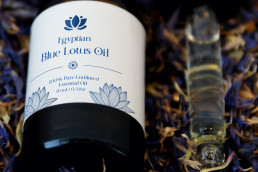
Blue lotus oil is an aromatic extract of the flowers of Nymphaea caerulea, the Egyptian blue water lily. In nearly all practical cases, the product sold as “blue lotus oil” is a solvent-extracted absolute, a viscous, deeply coloured material that carries most of the flower’s aromatic signature and a meaningful portion of its lipid-soluble alkaloids and flavonoids. A smaller number of producers offer steam-distilled essential oil (rare, lighter, less pigmented) or supercritical CO2 extract (cleaner solvent profile, excellent aromatic fidelity).
Because it takes somewhere between 3,000 and 5,000 flowers to produce a single gram of absolute, the material is concentrated, expensive, and intended for drop-scale use. It contains aporphine, a weak dopamine agonist; nuciferine, which has weak dopamine-antagonist and 5-HT2A/2C activity; and the flavonoid trio apigenin, quercetin, and kaempferol, the first of which binds the central benzodiazepine receptor and contributes to the oil’s gentle anxiolytic tone. The oil is used almost exclusively topically and aromatically. It is not a food product, and it is not designed for internal consumption.
What Blue Lotus Resin Actually Is
Blue lotus resin is a different kind of extract. It is typically produced by macerating the flowers in a solvent (alcohol, sometimes combined with water), then evaporating the solvent off to leave behind a thick, tar-like concentrate that contains the water-soluble and alcohol-soluble constituents of the flower. A resin will often include a broader slice of the plant’s phytochemistry than an absolute does, including polar flavonoid glycosides and some alkaloid fractions that do not partition well into non-polar solvents.
Resin is generally used in one of three ways. It may be dissolved back into a beverage (wine being the traditional carrier, tea another common choice) for a mildly relaxing infusion. It may be smoked or vaporised, which is the route most associated with its reputation as a gentle psychoactive. Or it may be used in ritual incense blends, burned on charcoal for atmosphere and symbolic weight. Unlike the oil, resin is intended to be taken internally or inhaled as combusted vapour rather than worn on the skin.
Blue Lotus Oil vs Resin: The Core Differences
The blue lotus oil vs resin comparison comes down to five practical axes: what they contain, how you use them, what effects they produce, how legally straightforward they are, and how they fit into a daily or ritual practice.
Chemistry and Solvent Polarity
An absolute is made with a non-polar or semi-polar solvent (usually hexane followed by ethanol washing), which preferentially pulls out aromatic molecules, lipid-soluble alkaloids, and fat-loving flavonoid aglycones. A resin, particularly an alcohol-extracted resin, captures a wider polarity range and retains more of the water-soluble fraction, including glycosylated flavonoids and the sugars that ride with them. The two extracts overlap but are not the same material, and neither is a perfect proxy for the whole flower.
Route of Use
Oil is topical and aromatic. You dilute it into a carrier oil, wear it on pulse points, diffuse it, blend it into a facial serum. Resin is ingested or inhaled. You stir it into warm wine, dissolve it into hot tea, pack it into a pipe, or crumble it onto charcoal. These are genuinely different modalities of use, and the choice between them is first a choice between routes of administration rather than between flowers.
Onset and Character of Effect
Aromatic inhalation of the oil acts on the olfactory-limbic axis within minutes, producing a soft parasympathetic shift: slower breathing, lower shoulders, quieter mind. Topical application produces a slower, more diffuse calming effect as the aromatic molecules reach the bloodstream via skin and lungs together. Resin, whether drunk or smoked, produces a more pronounced internal experience: a warm, slightly dreamy relaxation some users describe as mildly euphoric, usually within twenty to forty minutes for oral use and within a minute or two for inhaled use. Neither preparation is strongly psychoactive by modern recreational standards, but resin is the more noticeably psychoactive of the two.
Legal and Regulatory Position
Blue lotus itself is restricted in Russia, Poland, Latvia, the US state of Louisiana, and sits in regulatory grey territory in Australia. Both oil and resin are affected by these restrictions at the level of the raw botanical. In practice, however, topical oil products attract less regulatory attention than smokable or drinkable preparations, and resin sold for combustion or ingestion is the form most likely to run into customs or supply issues. If you live in a jurisdiction with complicated rules, oil is usually the simpler option to source.
Fit for Purpose
Oil is the better choice for daily mood support, sleep rituals that involve skin application or diffusion, skincare, perfumery, and any practice where you want aromatic presence without ingesting anything. Resin is the better choice for ceremonial or contemplative practice in the older sense of the word, for traditional steeped-wine infusions, and for the minority of users who specifically want the mildly psychoactive experience the flower has been known for historically.
When to Choose Blue Lotus Oil
Choose oil if your primary goals are any of the following. You want a calming aromatic you can use every evening without ceremony. You want to weave the scent into skincare, body oil, or perfume. You want a diffuser-friendly preparation that shifts the mood of a room. You want something that pairs cleanly with yoga, breathwork, meditation, or a sleep routine. You want a product that respects a wider range of legal contexts because of its topical-only use. You are sensitive to the GI effects that herbal resins and tinctures can produce and would rather not ingest concentrated plant material.
The oil’s strengths are subtlety, consistency, and integration into daily life. It does not ask much of you. You put a drop on your sternum before bed, or you set a diffuser going while you read, and the effect accrues quietly over weeks. It is a supportive presence rather than a pharmacological event.
When to Choose Blue Lotus Resin
Choose resin if your primary goals are different. You want to explore the flower’s traditional use in Egyptian and ancient Mediterranean ritual, where wine infusion was the principal method. You want a more noticeable internal effect, accepting that this comes with a shorter use window and more care around dose. You are building incense blends and want a material that burns well on charcoal. You are an experienced herbalist who understands internal dosing and has ruled out medication interactions.
Resin is the less forgiving preparation. Dose matters more, source matters more, and it interacts more directly with the digestive system and, if smoked, with the lungs. It is not a daily wellness product in the way the oil is. It is an occasional, intentional preparation with a more defined beginning and end.
Can You Use Both?
Yes, and many experienced users do. The two preparations do not compete; they occupy different slots. You might use the oil nightly as part of a skincare and sleep ritual, then reserve a small quantity of resin for specific evenings of contemplative practice, full moon work, or a traditional wine infusion shared with a partner. The oil becomes the quiet baseline; the resin becomes the occasional punctuation.
If you do choose to use both, the important caveat is that you should not stack their effects casually. Using resin orally in the evening, then applying a 3 percent topical oil blend, then running a diffuser, is more aromatic and alkaloidal load than the body needs. Let one preparation lead at a time.
Practical Protocols
Using the Oil
For daily aromatic use, two to four drops of blue lotus oil in a diffuser in the hour before bed is the default protocol. For topical use, dilute the oil to 1 to 2 percent in a carrier (jojoba, sweet almond, fractionated coconut) for facial work, 2 to 3 percent for body application, and up to 3 percent for targeted areas like temples, wrists, or sternum. Layer it into an existing routine rather than treating it as a standalone intervention, and give any new protocol two to three weeks before judging whether it is helping.
Using the Resin
Traditional infusion is the most approachable starting point. A small piece of resin, roughly 0.25 to 0.5 grams, dissolved into a glass of warm wine or a strong cup of honey-sweetened tea, steeped for twenty minutes, is a reasonable exploratory dose for someone with no prior experience. Start lower than you think you need, give it a full hour before deciding whether to take more, and do not combine it with other sedatives or recreational substances. Smoked or vaporised use produces quicker onset and requires correspondingly more care around dose.
Realistic Timeframes and Expectations
With oil, expect subtle shifts rather than dramatic ones. The first few uses establish familiarity with the scent. By the second week of consistent evening use, most people report sleeping more easily into sleep and feeling a softer edge on their daytime stress response. By week four, the association between the scent and the parasympathetic state is strong enough that the oil becomes a genuine cue for relaxation.
With resin, effects are more immediate but less cumulative. A single session produces what it produces, and the experience does not compound the way a daily aromatic ritual does. If you are looking for long-term mood support, the oil is the more appropriate tool. If you are looking for an occasional, intentional experience, the resin is.
When Neither Is the Right Choice
Neither oil nor resin is appropriate during pregnancy or breastfeeding. Neither should be combined casually with dopaminergic medications, MAOIs, or heavy sedatives without a practitioner conversation, because blue lotus alkaloids touch on the same receptor systems those medications work on. Neither should substitute for clinical care in moderate to severe anxiety, depression, or insomnia, all of which deserve proper assessment. If a product is being marketed to you as a treatment for a diagnosable condition, treat that claim with the scepticism it deserves, regardless of whether the product is oil or resin.
Resin specifically is a poor choice for anyone with a history of substance dependence, anyone currently driving or operating equipment, and anyone who responds poorly to herbal psychoactives in general. Oil specifically is a poor choice for anyone with known sensitivities to floral aromatics, and should always be patch-tested before sustained use on the face or sensitive skin.
Complementary Approaches
Whichever preparation you choose, it will work better inside a life that supports it. Sleep hygiene, reasonable caffeine limits, morning daylight, regular movement, and some form of breath or meditation practice all amplify the subtle benefits of blue lotus. Conversely, using either preparation to paper over chronic overwork, untreated anxiety, or poor sleep environment will be disappointing. The flower is a cue and a support, not a fix.
In an aromatic blend, blue lotus oil pairs beautifully with lavender, Roman chamomile, sandalwood, frankincense, and vetiver for sleep and calm. In a traditional resin infusion, it pairs with rose, hibiscus, and light spice notes for evening use. Choose supports that match the outcome you are after, not supports that compete with the flower’s character.
Frequently Asked Questions
Is blue lotus oil stronger than blue lotus resin?
Stronger depends on what you mean. The oil is more concentrated aromatically, but the resin is typically more noticeable in its internal effect because it is ingested or inhaled rather than worn on the skin. They are different kinds of strong.
Can I drink blue lotus oil the way you can drink resin-infused wine?
No. Blue lotus oil, particularly solvent-extracted absolute, is not designed for internal use, and the extraction solvents and high concentration make ingestion inappropriate. If you want the traditional beverage experience, use dried flowers or resin, not oil.
Can I smoke blue lotus oil?
No. Oils burn poorly, smoke unpleasantly, and produce combustion products you do not want in your lungs. If you want to smoke blue lotus, use dried flowers or resin intended for that purpose.
Is resin more traditional than oil?
In the strict historical sense, yes. Ancient Egyptian use was predominantly through wine infusion and incense, not through solvent-extracted topical oils, which are a modern phenomenon. That said, modern oil use is a legitimate evolution of the tradition rather than a departure from it.
Which is more expensive per gram?
Pure absolute is usually more expensive per gram than resin, because absolute production requires substantially more flower material to yield a usable quantity. However, you use absolute a drop at a time, so per-use cost is often comparable.
Can I make my own resin from blue lotus oil?
No, not really. Resin and oil are produced from flower material by different extraction routes; you cannot reverse-engineer resin out of a finished aromatic oil. If you want resin, buy resin or produce it from dried flowers using an appropriate solvent.
Does oil carry the same “dreamy” reputation as resin?
The aromatic effect of high-quality oil is calming and mildly mood-lifting, but it is gentler and less internally pronounced than the resin experience. If the dreamy, mildly euphoric quality is what you are specifically looking for, resin is closer to that description.
Which is safer for daily use?
Oil, used topically and aromatically at sensible dilutions, is the more suitable daily preparation. Resin is better suited to occasional, intentional use rather than routine daily intake.
Do they interact with the same medications?
Broadly yes, because both contain the same family of alkaloids. Caution applies with dopaminergic medications, MAOIs, and heavy sedatives regardless of which form you use, though the systemic exposure from topical oil is lower than from ingested resin.
Can I use both in the same ritual?
You can, but do so thoughtfully. Using resin-infused wine while wearing a diluted oil blend on pulse points is a coherent ritual. Stacking high doses of both is not. Let one preparation carry the experience and let the other play a supporting role.
Where to Go From Here
If you have read this far and the oil sounds like the right fit for your practice, the next step is understanding quality, sourcing, and daily use in depth, which is covered in The Complete Guide to Blue Lotus Oil. If the resin sounds more like what you are after, seek out a trusted herbalist supplier, read carefully on traditional preparation, and start with small doses in quiet settings. Either way, let the flower unfold at its own pace; this is not a botanical that rewards impatience.

Antonio Breshears
Antonio Breshears is a renowned expert in holistic medicine and beauty, with over 25 years of research experience dedicated to uncovering the secrets of nature's most powerful remedies. Holding a degree in Naturopathic Medicine, Antonio's passion for healing and well-being has driven him to explore the intricate connections between mind, body, and spirit.
Over the years, Antonio has become a respected authority in the field, helping countless individuals discover the transformative power of plant-based therapies, including essential oils, herbs, and natural supplements. He has authored numerous articles and publications, sharing his wealth of knowledge with a global audience seeking to improve their overall health and well-being.
Antonio's expertise extends to the realm of beauty, where he has developed innovative, all-natural skincare solutions that harness the potency of botanical ingredients. His formulations embody his deep understanding of the healing properties found in nature, providing holistic alternatives for those seeking a more balanced approach to self-care.
With his extensive background and dedication to the field, Antonio Breshears is a trusted voice and guiding light in the world of holistic medicine and beauty. Through his work at Pure Blue Lotus Oil, Antonio continues to inspire and educate, empowering others to unlock the true potential of nature's gifts for a healthier, more radiant life.