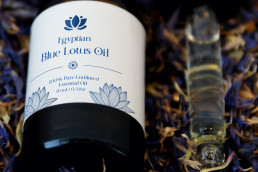
If you have arrived here trying to decide between blue lotus oil and valerian for sleep, anxiety, or general nervous system softening, this article will give you a straight answer rather than marketing copy. The blue lotus vs valerian comparison is a useful one because the two botanicals occupy adjacent but distinctly different territory: valerian is a heavier, more sedating, primarily ingested herb with a long clinical record for insomnia, while blue lotus is a softer, more aromatic, mood-leaning botanical that works largely through scent and gentle topical use. They are not interchangeable, and choosing well depends on what you actually need.
Table of Contents
- The Two Plants: Briefly, What They Are
- How Each One Actually Works
- Valerian's mechanism
- Blue lotus's mechanism
- For Sleep: Which One Is Stronger?
- For Anxiety: Different Flavours of Calm
- Practical Use: Dosing and Application
- How valerian is used
- How blue lotus oil is used
- Safety, Cautions, and Interactions
- What to Expect: Realistic Timeframes
- When to Choose Which (or Both)
- When Neither Is the Right Choice
- Frequently Asked Questions
- Where to Go From Here
- Try Blue Lotus Oil for Yourself
It is written and clinically reviewed by Antonio Breshears, ND, CCA, a Bastyr-trained naturopathic doctor and certified clinical aromatherapist. For a fuller picture of the botanical, chemistry, and applications of blue lotus before or after reading this comparison, see the complete guide to blue lotus oil, which establishes the broader context this article sits within.
The Two Plants: Briefly, What They Are
Valerian (Valeriana officinalis) is a perennial flowering plant native to Europe and Asia, with a long history of use as a sedative and anxiolytic. The medicinally active part is the root, which contains valerenic acid, valepotriates, and a complex mix of volatile oils that together appear to potentiate GABA-A receptor activity in the brain. Valerian is the herb people reach for when they want something that feels distinctly like a sedative: heavy-eyelid, relaxed-limb, drift-into-sleep territory.
Blue lotus (Nymphaea caerulea) is the Egyptian blue water lily, a sacred plant in pharaonic culture used in perfumery, ritual, and what we would now call mood medicine. Its essential oil and absolute contain aporphine and nuciferine (mild dopaminergic alkaloids), along with apigenin, quercetin, and kaempferol (flavonoids with mild anxiolytic and binding activity at central benzodiazepine sites). Blue lotus oil is overwhelmingly used aromatically and topically rather than ingested, and it produces a softer effect: a calm-but-aware quality, a lifting of low mood, a subtle erotic warmth.
So the first useful distinction is form and route. Valerian is mainly taken internally as a tea, tincture, capsule, or extract. Blue lotus oil is mainly inhaled or applied to skin in a carrier. This alone shapes much of the comparison.
How Each One Actually Works
Valerian’s mechanism
Valerian’s effects are GABA-ergic, meaning it acts on the inhibitory neurotransmitter system that quietens overactive neuronal firing. Valerenic acid binds to GABA-A receptors and modulates them in a way conceptually similar to (but much weaker and structurally different from) benzodiazepines. The result is reduced sleep latency, deeper subjective relaxation, and in some people frank sedation. Valerian also has serotonergic activity, which contributes to its anxiolytic profile.
Clinically, valerian is one of the more studied herbal sedatives. Trials are mixed but lean positive for mild to moderate insomnia, particularly with consistent use over two to four weeks. It is not a hit-or-miss single dose herb; it tends to work better when the system has been gently primed.
Blue lotus’s mechanism
Blue lotus oil works through two pathways at once. The first is olfactory: inhaled aromatic molecules cross directly into the limbic system via the olfactory bulb, influencing amygdala activity, vagal tone, and the parasympathetic shift that underpins felt calm. This is fast, often within minutes, but tends to be modest in magnitude rather than dramatic.
The second is the chemistry of the alkaloids and flavonoids. Apigenin in particular has been shown to bind central benzodiazepine receptors, producing a mild anxiolytic effect. Aporphine has weak dopaminergic activity, which contributes to mood lift and the gentle euphoria long associated with the flower. Nuciferine has 5-HT2A and 5-HT2C activity, which softens compulsive thinking and contributes to the dreamy quality the plant is known for.
Compared to valerian, blue lotus is not a sedative in the classical sense. It will not knock you down. It tilts the nervous system toward parasympathetic dominance and softens the affective tone, which often allows sleep to come more easily, but the route is different.
For Sleep: Which One Is Stronger?
If you define “stronger for sleep” as “more reliably produces drowsiness and reduces sleep latency in a single use”, valerian wins, and not by a small margin. A 400 to 600 mg standardised valerian extract taken thirty to sixty minutes before bed is, for many people, a noticeably sedating intervention. Blue lotus oil diffused beside the bed will not produce that same physical heaviness.
However, “stronger” is not always what the situation calls for. Many people who present with sleep issues do not actually have a GABA deficit problem; they have a wound-up nervous system, racing thoughts, unprocessed emotional residue from the day, and an inability to downshift from a sympathetic state. For this profile, blue lotus oil often works better than valerian, because the limb of the nervous system that needs softening is the affective and arousal-regulation system, not the firing-rate system.
So the practical answer is: valerian for the body that will not relax, blue lotus for the mind that will not stop. Some people benefit from both used together, blue lotus aromatically while valerian works internally.
For Anxiety: Different Flavours of Calm
Valerian’s anxiolytic effect tends to be heavy and slightly sedating. It is well suited to anxiety that is somatic, where the body is restless and the muscles will not let go. Some users find it slightly dulling, particularly during the day, and a minority report paradoxical agitation, which is well documented in the herbal literature.
Blue lotus oil’s anxiolytic effect is lighter and more emotionally textured. It does not dull cognition; if anything, many users describe it as clarifying, as though the anxious noise floor has dropped while attention itself remains intact. It is well suited to social anxiety, performance anxiety, the low-grade hum of modern overstimulation, and the kind of anxious low mood where one feeds the other.
For daytime use, blue lotus is the more practical choice by a wide margin. Valerian during the day tends to be too sedating for most working adults. For nighttime acute anxiety that is preventing sleep, valerian taken internally with blue lotus oil diffused in the room is a sensible combined approach.
Practical Use: Dosing and Application
How valerian is used
Standard adult preparations of valerian for sleep include 400 to 600 mg of standardised root extract, 2 to 3 g of dried root brewed as tea, or 1 to 3 ml of tincture, typically taken thirty to ninety minutes before bed. For anxiety, smaller divided doses across the day are sometimes used. Effects often build with consistent use over two to four weeks.
Valerian smells, frankly, terrible to most people: a sour, slightly cheesy, earthy odour that some find genuinely unpleasant. Capsules sidestep this entirely. The herb is also not recommended in pregnancy, breastfeeding, or alongside heavy sedatives, alcohol, or benzodiazepines without medical supervision.
How blue lotus oil is used
Blue lotus oil is used in three main ways. For diffuser use at bedtime, 2 to 4 drops in a cool-mist diffuser running for thirty to sixty minutes before sleep. For topical use, a 2 to 3 percent dilution in jojoba or another light carrier oil applied to wrists, neck, or chest. For pulse points and pillow edges, a single drop neat in some cases, though dilution is generally safer for daily use.
Blue lotus oil smells lovely, which matters more than it sounds. The scent itself is part of the therapy: a cool floral-aquatic top, a deep honeyed-floral heart, and a warm balsamic base. Pleasure during use compounds compliance, and compliance is where most herbal interventions succeed or fail.
Safety, Cautions, and Interactions
Both botanicals have reasonable safety profiles when used appropriately, but they have meaningfully different caution lists.
Valerian should not be combined with alcohol, benzodiazepines, barbiturates, or strong sleep medications without supervision, because additive sedation can be substantial. It should be paused before surgery (typically two weeks prior) because of theoretical interactions with anaesthesia. It is not recommended in pregnancy or breastfeeding. Some users experience morning grogginess, vivid or unsettling dreams, or paradoxical stimulation. Long-term daily use is debated; many practitioners cycle it rather than use it indefinitely.
Blue lotus oil, used aromatically and topically, has a gentler safety profile, but it is not without considerations. It is avoided in pregnancy and breastfeeding. Caution is warranted with dopaminergic medications, MAOIs, and heavy sedatives because of theoretical additive effects from its alkaloids. Topical use should be patch tested, and dilution rules apply (1 to 2 percent for facial application, 2 to 3 percent for body use). It is legally restricted in some jurisdictions, including Russia, Poland, Latvia, and the US state of Louisiana, with regulatory complexity in Australia.
Neither herb should be used as a substitute for clinical assessment of chronic insomnia, anxiety disorders, or mood disorders that are interfering with daily functioning.
What to Expect: Realistic Timeframes
With valerian, single-dose effects can be felt within thirty to sixty minutes, but the most reliable benefit emerges after one to two weeks of nightly use. If you have tried it once and found it underwhelming, that is not really a fair trial.
With blue lotus oil used aromatically, the calming shift is felt within five to fifteen minutes of inhalation. Effects are real but modest in magnitude per session, and the cumulative benefit of using it as a nightly ritual builds over two to four weeks as the nervous system learns to associate the scent with downshifting. This is not a placebo dismissal, it is how olfactory conditioning genuinely works.
Neither botanical produces dramatic, drug-like effects. Both produce real, modest, reproducible shifts that compound with consistent use. If you are expecting either one to perform like a prescription sedative, you will be disappointed by both.
When to Choose Which (or Both)
Choose valerian if your primary issue is difficulty falling or staying asleep, your body feels physically restless or wired, you do not mind taking something internally, and you can commit to two or more weeks of consistent use.
Choose blue lotus oil if your primary issue is mental restlessness, low or anxious mood, daytime overstimulation, or you want a sensory ritual rather than a pill. Choose it also if you specifically want to support a calm, intimate, or contemplative state during waking hours, where valerian’s sedation would be unwelcome.
Use both if your situation calls for it. Valerian taken internally an hour before bed, blue lotus oil diffused in the bedroom and applied lightly to wrists or chest, is a reasonable layered protocol for someone with both physical and mental sleep interference. They work on different systems and there is no inherent contradiction in using them together, though the combined sedative load is something to be aware of and to discuss with a practitioner if you are on other medications.
When Neither Is the Right Choice
Chronic insomnia lasting more than a few weeks, sleep-disordered breathing, restless legs syndrome, severe anxiety with panic attacks, depression with passive or active suicidal ideation, and any sleep or mood disturbance that is markedly impairing daily life all warrant proper clinical assessment. Botanicals can be supportive, but they are not a substitute for evaluation. If you have been sleeping badly for months, please see someone qualified.
Frequently Asked Questions
Is blue lotus oil stronger than valerian?
No, not as a sedative. Valerian is the heavier, more directly sleep-inducing of the two. Blue lotus oil produces a lighter, more mood-leaning calm and works largely through scent and topical absorption rather than internal sedation.
Can I use blue lotus oil and valerian together?
Generally yes, and they can complement each other well: valerian internally for physical sedation, blue lotus oil aromatically for mental softening. Be mindful of combined sedative load and avoid this combination with alcohol or other sedating medications without practitioner guidance.
Which one works faster?
Blue lotus oil inhaled produces a felt shift in five to fifteen minutes. Valerian taken internally takes thirty to sixty minutes for a single-dose effect. However, valerian’s reliable sleep benefit builds over one to two weeks of nightly use.
Can valerian be used aromatically like blue lotus oil?
Valerian essential oil exists but is rarely used aromatically because of its strong, unpleasant smell. Its therapeutic profile is also designed around internal use of the root, not inhalation of the volatile oil. Blue lotus oil is far better suited to aromatic and topical use.
Is one safer than the other?
Both have reasonable safety profiles in appropriate use. Valerian carries more interaction concerns because it is taken internally and acts directly on GABA receptors. Blue lotus oil used aromatically and topically is gentler in interaction profile but is not without its own cautions, particularly in pregnancy and with dopaminergic medications.
Will blue lotus oil help me sleep at all?
Yes, particularly if your sleep issue is driven by mental restlessness, racing thoughts, or anxious mood rather than purely physical wiredness. It will not produce the heavy drowsiness of valerian, but it can meaningfully ease the transition into sleep.
Can I take valerian during the day?
Some people use small divided doses of valerian for daytime anxiety, but most find it too sedating for productive daytime use. Blue lotus oil is the better choice for daytime calm.
How long should I try each one before deciding it does not work?
For valerian, give it at least two weeks of consistent nightly use at a reasonable dose before judging. For blue lotus oil used as a nightly ritual, give it three to four weeks for the cumulative olfactory conditioning effect to establish.
Are there any people who should not use either?
Both should be avoided in pregnancy and breastfeeding. Both should be used cautiously alongside sedating medications. Anyone with a serious mood, anxiety, or sleep disorder should be working with a clinician, and either botanical should be discussed in that context rather than used as a substitute.
Does blue lotus oil have any sedating chemistry at all, or is it just scent?
It does have genuine pharmacology. Apigenin binds central benzodiazepine receptors, and the aporphine and nuciferine alkaloids have dopaminergic and serotonergic activity. The effect is real, just lighter and more mood-textured than valerian’s GABA-ergic sedation.
Where to Go From Here
If you have read through and summarised that blue lotus oil sounds closer to what you actually need, the complete guide to blue lotus oil is the next sensible read; it covers chemistry, sourcing, application, and safety in much more depth. If valerian sounds closer to your situation, that is a perfectly good answer, and the two herbs are not in competition. The honest framing is that they do different things well, and the right choice depends on whether the system you are trying to soften is primarily your body or primarily your mind.

Antonio Breshears
Antonio Breshears is a renowned expert in holistic medicine and beauty, with over 25 years of research experience dedicated to uncovering the secrets of nature's most powerful remedies. Holding a degree in Naturopathic Medicine, Antonio's passion for healing and well-being has driven him to explore the intricate connections between mind, body, and spirit.
Over the years, Antonio has become a respected authority in the field, helping countless individuals discover the transformative power of plant-based therapies, including essential oils, herbs, and natural supplements. He has authored numerous articles and publications, sharing his wealth of knowledge with a global audience seeking to improve their overall health and well-being.
Antonio's expertise extends to the realm of beauty, where he has developed innovative, all-natural skincare solutions that harness the potency of botanical ingredients. His formulations embody his deep understanding of the healing properties found in nature, providing holistic alternatives for those seeking a more balanced approach to self-care.
With his extensive background and dedication to the field, Antonio Breshears is a trusted voice and guiding light in the world of holistic medicine and beauty. Through his work at Pure Blue Lotus Oil, Antonio continues to inspire and educate, empowering others to unlock the true potential of nature's gifts for a healthier, more radiant life.