





Celestial LuxuryPure Blue Lotus Oil
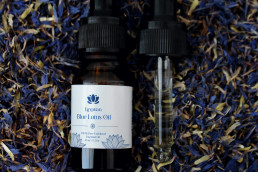
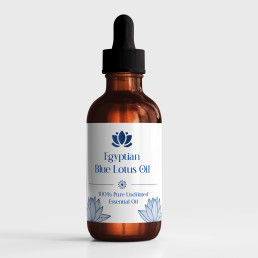
Prepared to order in small batches, our signature Blue Lotus Oil arrives with uncompromising purity. 100% pure and undiluted. No carriers, no fillers, no synthetic fragrance. Only the true character of the bloom: soft floral, gently sweet, with an earthy depth that lingers on the air and on the skin.
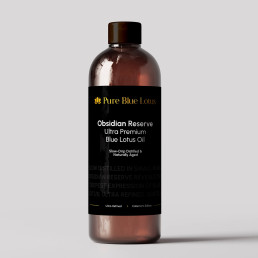
Our most refined expression of Blue Lotus, slowly extracted and crafted in small runs for collectors of quiet luxury. A darker, deeper ritual oil for contemplation, evening stillness and truly private moments at home.
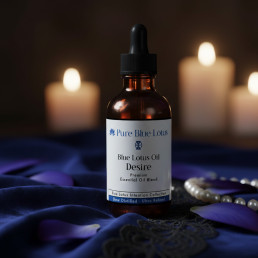
An ultra premium romance ritual, layering our refined Blue Lotus with sensual florals and warm woods to soften the room, invite closeness and make shared evenings feel intimate and beautifully curated.
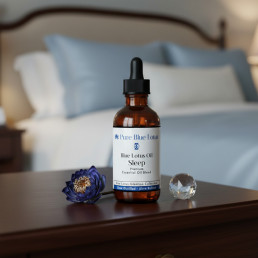
An ultra premium night ritual, weaving our refined Blue Lotus with soothing companions to quiet the mind, deepen rest and make every evening feel slower, calmer and far more restorative at home.
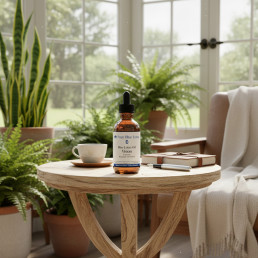
Crafted for high focus days, pairing our refined Blue Lotus with grounding resins and bright aromatics to steady the mind, clear mental fog and elevate work, study and creative practice into daily ritual.
The Exquisite Craftsmanship Behind Our Luxury Pure Blue Lotus Oil
Celestial Origins
Drawn from the revered Nymphaea caerulea, the sacred blue water lily of the Nile, treasured for more than 3,000 years.
Uncompromising Purity
100% pure and undiluted, to preserve the true essence and luxurious character of the bloom.
Radiant Character
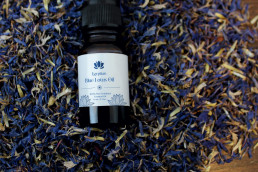
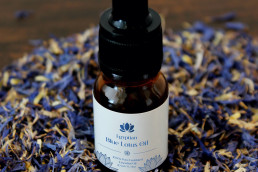
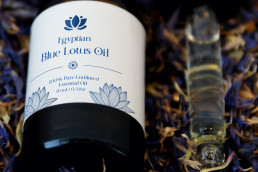
A golden, amber liquid that catches the light and glows with the warmth of the Egyptian sun.
Enchanting Aroma
Floral elegance over soft musk, with layers that unfold slowly and awaken the senses.
Perfect Blends
Pairs beautifully with precious florals such as neroli, rose and ylang ylang.
Versatile Companions
Mixes seamlessly with carrier oils such as jojoba, argan or coconut to elevate skincare, massage and self-care rituals.
The Benefits Of Pure Blue Lotus Oil Crafted To The Gold Standard
01
A Softer, Quieter Mind
A single drop on the wrists or in a diffuser is enough to change the room. The floral, gently honeyed aroma of our Pure Egyptian Blue Lotus Oil invites the body to exhale, taking the edge off racing thoughts and settling you into a slower, softer rhythm. Reach for it when you arrive home, before meditation, or any time you want to step out of the day and back into yourself.
02
Uplifted Mood, Without Overload
Blue lotus is known for its subtle, buoyant character. It does not shout. It lifts. A few breaths can leave you feeling lighter, more open and quietly optimistic, without the jittery edge of a stimulant. It is a beautiful companion for intimate evenings, creative work or reflective time, when you want a serene, almost dreamlike ease.
03
Skin That Looks Rested and Refined
On the skin, pure Blue Lotus Oil behaves like a finishing touch. Naturally rich in squalane and soothing phytosterols, it works in harmony with the skin's own lipids to help the complexion appear smoother, more even and softly luminous. Diluted into your routine, it supports the look of suppleness and radiance, turning a simple step into a daily, Gold Standard ritual.
04
Comfort For Delicate, Reactive Skin
Many people reach for blue lotus when their skin feels easily unsettled. Blended into a suitable carrier oil, it can help calm the look of redness and support a more balanced, composed appearance over time. The texture is light, the scent is sophisticated, and the whole experience is one of care rather than compromise.
05
A Natural Signature Perfume
If you prefer a fragrance that feels personal rather than obvious, Blue Lotus Oil is a refined choice. One or two drops on the pulse points create a close, intimate aura: floral, slightly fruity, with a gentle depth that is hard to place and harder to forget. Wear it alone as your signature, or layer it beneath your favourite perfume to add character and softness.
06
A Sensual, Atmospheric Oil
For the evenings you want to feel more present and connected, Blue Lotus Oil sets the scene. In a diffuser, a bath or a body oil, it wraps the space in a warm, inviting mood that feels luxurious rather than heavy. The effect is subtle: a relaxed body, an open heart, a room that feels ready for closeness.
07
Calm Focus For Work and Creation
This is not only an oil for unwinding. At your desk or in the studio, it can support a state of relaxed alertness. A light diffusion, or a touch on the wrists, helps you stay grounded while you write, design, study or plan, keeping the mind clear enough to focus and soft enough to stay flexible and imaginative.
08
A Nightly Ritual For Deep Rest & Vivid Dreams
Before bed, Blue Lotus Oil becomes a signal. A few drops in a diffuser or on your pillow do more than help you unwind. Long associated in Egyptian tradition with vivid dreaming and dream recall, its soft aroma helps quiet the noise of the day and ease the transition into sleep, for a calmer, more restful night.
Frequently Asked Questions
What is Blue Lotus Oil?
Blue Lotus Oil is an aromatic essential oil drawn from the petals of the blue lotus flower (Nymphaea caerulea). Pure steam distilled to uncompromised quality, it has been treasured since ancient Egypt for its calming, sensual, and meditative character.
How is our Blue Lotus Oil made?
Through extensive product testing, we have refined our process to exclusively utilize pure steam distillation. This traditional, highly specialized extraction method yields the highest quality essential oil, capturing the true, unadulterated character of the bloom without the need for chemical solvents. To ensure absolute freshness and quality, each order is then prepared and bottled to commission, specifically for you.
What are the main benefits of Blue Lotus Oil?
Blue Lotus Oil is most loved for its relaxing, soothing character. It is traditionally used to support a sense of calm, lift the mood, encourage restful evenings and add a refined floral note to skincare and perfume. It is also valued as an aphrodisiac in folk tradition.
Is Blue Lotus Oil safe to use?
Used appropriately, Blue Lotus Oil is generally well tolerated. As with any concentrated botanical, it should always be diluted in a carrier oil before applying to the skin, and avoided during pregnancy or breastfeeding without first consulting a healthcare provider. Always patch test before wider use.
How do I use Blue Lotus Oil?
Blue Lotus Oil can be diffused, diluted in a carrier oil for massage, added to a bath, or blended into skincare. A little goes a long way, so start with one or two drops and build from there.
Can I use Blue Lotus Oil on my skin?
Yes, once it is diluted. Always blend Blue Lotus Oil with a carrier oil such as jojoba or almond before applying to the skin, never neat. Diluted, it can support the look of hydration and radiance, and its soothing character suits dry or easily irritated skin.
What does Blue Lotus Oil smell like?
A true steam distilled blue lotus oil is complex: floral and gently sweet up top, with a soft, slightly fruity depth and an earthy, almost honeyed base. It is calming, distinctive, and unlike the flat, candy-sweet note of a synthetic fragrance oil.
Is Blue Lotus Oil edible?
No. Our Blue Lotus Oil is intended for aromatherapy and topical use only, and should not be ingested.
Does Blue Lotus Oil help with sleep?
Many people fold Blue Lotus Oil into a wind-down routine. Its calming aroma can help ease the mind and settle the body before sleep, which is why it is a favourite for evening diffusing and bedtime rituals.
Is Blue Lotus Oil an aphrodisiac?
In folk tradition, yes. Blue lotus has long been associated with intimacy and sensual ease, and its calming, mood-lifting character makes it a popular choice for setting a romantic, atmospheric mood.
How should I store Blue Lotus Oil?
Keep it in a cool, dark place, away from direct sunlight and heat, tightly sealed in its dark glass bottle. Stored well, it will hold its character for up to two years.
What does Blue Lotus Oil blend with?
Beautifully with florals and citrus such as neroli, rose, ylang ylang, lavender and bergamot, and with grounding notes like sandalwood and frankincense. For skincare and massage it carries well in jojoba, argan or coconut oil.
Can I use Blue Lotus Oil during pregnancy?
We recommend avoiding Blue Lotus Oil during pregnancy or breastfeeding unless your healthcare provider has advised otherwise, as some botanicals are not suitable at this time.
Where is your Nymphaea caerulea from?
We source our blue lotus flowers from Egypt, the plant's spiritual home, where Nymphaea caerulea has grown along the Nile for millennia. It is the provenance we believe gives our oil its character.
Because it is made to order, how long will mine take?
Every bottle is prepared as a bespoke commission, so a little patience is part of the experience. We currently fulfil orders within roughly one week, then ship worldwide in secure, double sealed dark glass bottles. Checkout is handled securely by Stripe.
Product Specifications For Our Blue Lotus Oil
| Botanical Name: | Nymphaea Caerulea |
| Common Names: | Blue Lotus, Blue Water Lily, Egyptian Lotus, Sacred Blue Lily of the Nile |
| CAS#: | 476-66-4 |
| Country of Origin: | Egypt |
| Part Used: | Flowers (petals) |
| Extraction Method: | Pure Steam Distillation |
| Form: | 100% Pure Essential Oil |
| Colour & Odour: | Golden amber; floral, sweet and earthy |
| Specific Gravity: | 0.860 to 0.950 @ 25°C |
| Refractive Index: | 1.459 @ 20°C |
| Flash Point: | 100 °C |
| Major Constituents: | Nuciferine, Apomorphine (aporphine alkaloids), Linalool, Phytosterols |
| Solubility: | Soluble in alcohols and fixed oils; slightly soluble in water |
| Blends With: | Neroli, rose, ylang ylang, lavender, sandalwood, and all types of carrier oils |
| Shelf Life: | 2 years (stored cool, dark and sealed) |
| COA & GC/MS: | Certificate of Analysis |
| MSDS: | Safety Data Sheet |
The Definitive Guide to Blue Lotus Oil: History, Chemistry and Modern Use
Everything you need to know about Nymphaea caerulea, the sacred flower of the Nile.
The Resurgence of an Ancient Botanical
Few botanicals carry the mystique and historical weight of Blue Lotus Oil (Nymphaea caerulea). Known variously as the Blue Water Lily, the Sacred Lily of the Nile, and the Flower of Enlightenment, this aquatic perennial has travelled from the rituals of the Pharaohs to the considered collections of modern aromatherapy.
Its renewed popularity owes a great deal to a wider shift toward natural wellness and slower, more intentional self-care. The distinctive character of blue lotus offers a rare bridge between physical relaxation and a clear, settled mind. This guide is a thorough look at its botany, chemistry and practical use.
Botany and Origin: Nymphaea caerulea vs. Nelumbo nucifera
One of the most common points of confusion is the difference between the “true lotus” and the “blue lotus”.
- Nymphaea caerulea (Blue Lotus): Technically a water lily. Its leaves float on the surface and its flowers are star shaped with pointed, blue-violet petals. This is the variety prized for its relaxing alkaloids.
- Nelumbo nucifera (Sacred Lotus): A different genus entirely, whose leaves and flowers rise high above the water on thick stalks. Beautiful, but without the specific chemistry of the blue water lily.
Our oil is drawn exclusively from Nymphaea caerulea. Although the plant is now cultivated in several warm regions, we source ours from Egypt, its spiritual home, where it has bloomed along the Nile for thousands of years. The flowers open at dawn to reveal a bright yellow centre against striking blue-violet petals, and last only a few days.
A 3,000-Year Legacy in Ancient Egypt
To understand blue lotus, look to the 18th Dynasty of Ancient Egypt. For the Egyptians it was not merely a flower but a symbol of cosmogony and rebirth. Because the bloom rises from the murky depths to open in the sun, it was linked to the sun god Ra and to Nefertem, the god of perfume.
Ancient papyri and tomb paintings, including those in the tomb of Tutankhamun, depict the flower again and again. Historians believe it was steeped in wine to create a beverage for social ease and ceremony, captured in fats and oils for perfumed cones worn on the head, and used by healers as a general tonic.
The Science of Serenity: Understanding the Alkaloids
Much of the character of blue lotus comes from its alkaloid content. Unlike lavender or peppermint, which lean on terpenes such as linalool, blue lotus works largely through gentle aporphine alkaloids.
Nuciferine
Nuciferine is the alkaloid most often studied in blue lotus and the sacred lotus. Research has explored it for calming and anti-inflammatory activity. In an aromatherapy context, it is associated with a steadying, settling quality.
Aporphine
Aporphine is sometimes described as a “lucid sedative”, linked in traditional accounts with a calm, floating ease rather than heaviness. This is why blue lotus is so often reached for during meditation and reflective evenings.
Flavonoids and Phenols
Beyond the alkaloids, the steam distilled oil carries antioxidant flavonoids such as quercetin and kaempferol, the same family of compounds valued in considered skincare for helping to defend the look of the skin against everyday environmental stress.
The Extraction Process: The Art of Pure Steam Distillation
Through extensive product testing, we have refined our process to rely exclusively on pure steam distillation to craft our Blue Lotus Oil.
Unlike conventional solvent extractions that leave chemical residues, our specialized steam distillation uses precisely controlled, low-temperature steam to gently release the flower’s aromatic compounds. This artisanal technique yields an essential oil of uncompromised purity and depth.
- Solvent-Free Purity: Captures the true botanical essence of the bloom without the use of harsh chemical solvents or synthetic additives.
- Precision Temperature Control: Protects the delicate aromatic molecules, preserving the subtle nuances and natural depth of the living flower.
How to Spot Inferior or “Fake” Blue Lotus
True blue lotus is rare and costly to produce, which means the market is full of adulterated products. A few tells worth knowing:
- The “blue tint” myth: Some sellers add blue dye so the oil looks “more blue”. A genuine steam distilled blue lotus oil is a deep golden-amber, not neon blue. If it is bright blue, it is synthetic.
- The scent test: Real blue lotus has a complex, slightly earthy floral note with a hint of spice. If it smells like bubblegum or laundry detergent, it is a fragrance oil.
- Missing lab reports: a reputable seller will publish a Gas Chromatography-Mass Spectrometry (GC/MS) report. It is the closest thing to a DNA test for the oil, showing there are no synthetic diluents present.
Safety, Legality and Ethics
As of 2026, blue lotus (Nymphaea caerulea) is legal in the United States, Canada and most of Europe. It is not approved for human consumption, and we sell it strictly for aromatherapy and topical use. Always dilute before applying to the skin, patch test first, and avoid use if you are pregnant, breastfeeding, or taking medication for blood pressure or dopamine-related conditions without speaking to your healthcare provider. Because demand can strain wild populations, we work with growers who practise responsible cultivation that protects water quality and local biodiversity.
This guide is provided for general information and is not medical advice.
Useful Blue Lotus Oil Guides
How to Use Blue Lotus Oil
Aromatherapy
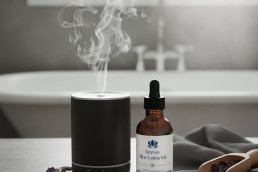
Add 2 to 4 drops per 100ml of water in your diffuser, adjusting to taste, and let the tranquil aroma fill the room. It is ideal for unwinding in the evening or staying calm and focused through the day.
Topical application
Always dilute Blue Lotus Oil in a carrier oil before applying to the skin, and patch test first. Once you know it suits you, blend 1 to 2 drops with a teaspoon of jojoba or coconut oil for a gentle massage or for areas that want a little extra care.
Skincare
Mix 1 to 2 drops into your moisturiser, mask or serum to bring a soft radiance to the skin. It is particularly lovely for dry or easily unsettled skin, helping it look balanced and calm.
Bathing
For a spa-like soak, blend 5 to 10 drops into a little carrier oil or Epsom salts before adding to warm bathwater, so the oil disperses evenly. Settle in and let the aroma do the rest.
Meditation and yoga
Apply a small amount of diluted oil to the wrists or behind the ears before practice. Its calming character helps steady the mind and deepen the session, and a slow inhale during breathwork can help you centre.
A few simple rules
Less is more. Start with minimal drops and build only if you need to. Store the bottle somewhere cool and dark to protect its character and prolong its life.
Popular Blends with Egyptian Blue Lotus Oil
Egyptian Blue Lotus Oil has a distinct floral character that layers beautifully with other oils. Here are five of our favourite blends, each crafted around a different mood.
Calm and stress relief
3 drops Blue Lotus, 2 drops lavender, 1 drop chamomile. Lavender and chamomile lean into Blue Lotus’s calming side for a deeply soothing aroma. Diffuse in the evening or add to a warm bath.
Emotional balance and mood
3 drops Blue Lotus, 2 drops bergamot, 1 drop sweet orange. Bright citrus notes lift the blend, complementing Blue Lotus’s gently uplifting character. Lovely in a diffuser or a roller with carrier oil.
Meditation and spiritual connection
3 drops Blue Lotus, 1 drop frankincense, 1 drop sandalwood. Frankincense and sandalwood deepen the grounding, settling feel. Diffuse in your practice space or apply, diluted, to the temples.
Skin nourishment
2 drops Blue Lotus, 1 drop rose, 1 drop geranium, 1 tablespoon jojoba oil. A nourishing facial blend that pairs Blue Lotus with two classic skin-loving florals. Massage a little onto the face at night.
Bedtime wind-down
3 drops Blue Lotus, 2 drops cedarwood, 1 drop vetiver. Cedarwood and vetiver add depth and calm for a restful, slow-evening blend. Diffuse in the bedroom an hour before sleep.
More Than a Scent: A Ritual
In a world that asks for constant outward attention, Blue Lotus Oil offers a rare invitation to turn inward. This is not simply a fragrance to be worn. It is a small ritual, a way of marking the shift from doing to being.
The ancients understood this. For more than three thousand years the blue water lily was the most sacred plant in Egypt, revered not only for its beauty but for its calming, contemplative character. Temple priests and royalty used it to ease the mind and deepen their sense of connection to something larger than themselves.
That thread runs through other traditions too. In Ayurveda, blue lotus is associated with cooling an overactive mind and is often linked with the Ajna chakra, the “third eye” between the brows. Applied there, diluted, it gives the attention a single, quiet point to rest on, helping the mental chatter soften so that a clearer, calmer focus can emerge.
Perhaps its most loved modern use is around sleep and dreaming. Rather than forcing a heavy, blacked-out unconsciousness, blue lotus tends to settle the body while the imagination stays soft and engaged. Many of our customers describe more vivid, memorable dreams as they drift off.
To try it for yourself, place a single drop of diluted oil between the eyebrows before bed, add a little to your wrists, and take five slow breaths with your wrists near your nose. Let the scent be a signal that the day is done, and that it is safe to let go.
The Science of Stillness: Aporphine Alkaloids
Where the ancient Egyptians spoke of blue lotus in spiritual terms, modern chemistry gives us a language for why it feels the way it does. Its character comes from a class of bioactive compounds known as aporphine alkaloids, chiefly aporphine and nuciferine.
Aporphine is associated with a gentle, lifted ease, a sense of openness rather than a manic high. Nuciferine sits alongside it as a grounding counterweight, linked in research with relaxing, settling activity. Together they are often described as producing “relaxed alertness”, a calm body with a clear mind, which is exactly the state meditators and dreamers tend to seek.
Through extensive product testing, we have refined our process to exclusively utilize pure steam distillation to capture these compounds. Using precisely controlled, low-pressure steam, our specialized method protects the natural integrity and balance of the flower’s delicate profile, yielding an oil of uncompromised purity and depth rather than a thin imitation of the bloom.