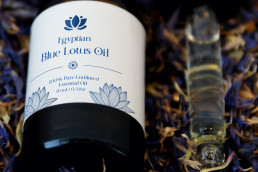
This article is written for people managing rosacea, that persistent, reactive redness across the cheeks, nose and central face, who are curious whether blue lotus oil rosacea protocols are worth the bottle. The short answer is that blue lotus can be a gentle, anti-inflammatory ally for stable, non-pustular rosacea when properly diluted, but it is not a primary treatment for active papulopustular flares or ocular involvement. Below you will find the mechanisms, a realistic protocol, honest timeframes, and a clear list of situations where you should close the dropper and see a dermatologist.
Table of Contents
- Understanding Rosacea: What You Are Actually Treating
- How Blue Lotus Oil Helps With Rosacea
- Flavonoid-Driven Anti-Inflammatory Action
- Vascular Soothing and Flush Reduction
- Parasympathetic, Stress-Mediated Effects
- Barrier-Supportive Behaviour
- How to Use Blue Lotus Oil for Rosacea
- Recommended Dilutions
- A Simple Daily Protocol
- Patch Test First, Every Time
- Frequency
- What to Expect: Realistic Timeframes
- When Blue Lotus Oil Is NOT the Right Choice
- Complementary Approaches Worth Considering
- Trigger Journalling
- Sun Protection
- Barrier Support
- Gut and Dietary Considerations
- Other Gentle Topicals
- Frequently Asked Questions
- Where to Go From Here
- For Calmer, Kinder Skin
It is written and clinically reviewed by Antonio Breshears, ND, CCA, a Bastyr-trained naturopathic doctor and certified clinical aromatherapist. For foundational context on chemistry, extraction and general safety, see The Complete Guide to Blue Lotus Oil, which is the parent reference for everything covered here.
Understanding Rosacea: What You Are Actually Treating
Rosacea is a chronic inflammatory skin condition affecting the central face, most commonly in adults with fair skin, though it occurs across all skin types and is frequently underdiagnosed in deeper complexions. It is not simply “sensitive skin” and it is not acne, though the papules and pustules of subtype 2 can be mistaken for acne vulgaris. The mechanisms are multi-factorial and involve vascular dysregulation, neurogenic inflammation, innate immune overactivity (particularly the cathelicidin LL-37 pathway), and often an overgrowth of Demodex folliculorum mites whose density correlates with flare severity.
Most dermatologists work with four recognised subtypes, which behave differently and respond to different interventions:
- Erythematotelangiectatic (ETR): persistent central redness, visible capillaries, easy flushing, a reactive burning or stinging response to products
- Papulopustular: inflammatory papules and pustules superimposed on background redness, sometimes mistaken for acne
- Phymatous: thickening and enlargement of skin, most often the nose (rhinophyma), more common in men
- Ocular: dry, gritty, irritated eyes and inflamed lid margins, which always requires ophthalmology input
Knowing your subtype matters because blue lotus oil is reasonable support for stable erythematotelangiectatic rosacea and for the background redness between flares of papulopustular rosacea. It is not the right tool for active pustular lesions, for phymatous change (which needs procedural treatment), or for any ocular involvement.
How Blue Lotus Oil Helps With Rosacea
The case for blue lotus in rosacea sits on its flavonoid profile and its generally cooling, anti-irritant behaviour on the skin. The mechanisms below are modest and cumulative rather than dramatic, which suits rosacea well, because aggressive interventions tend to backfire on reactive skin.
Flavonoid-Driven Anti-Inflammatory Action
Blue lotus absolute contains apigenin, quercetin and kaempferol, three flavonoids with reasonably well-attested anti-inflammatory activity. Apigenin in particular has been studied for its ability to downregulate nuclear factor kappa B (NF-kB) signalling, which is one of the upstream drivers of the inflammatory cascade in rosacea. Quercetin contributes antihistamine and mast-cell stabilising behaviour, which is relevant because mast cell activation is increasingly recognised as a key player in rosacea pathophysiology. None of this is a cure; it is a gentle dampening of the inflammatory tone of the skin, which is exactly what reactive rosacea skin tends to need.
Vascular Soothing and Flush Reduction
The persistent erythema of rosacea reflects dysregulated cutaneous vasculature that dilates too readily and resolves too slowly. Blue lotus oil, applied in a cool, well-formulated carrier, will not shrink a telangiectasia, but the combined effect of the flavonoids, the cooling carrier and a gentle routine can reduce the frequency and intensity of transient flushing episodes for some users. Expect a modest reduction in reactivity rather than a visible disappearance of broken capillaries, which require laser or IPL treatment to address structurally.
Parasympathetic, Stress-Mediated Effects
Stress is one of the most consistently reported rosacea triggers. The olfactory component of blue lotus, routed through the limbic system, promotes parasympathetic dominance and a measurable reduction in sympathetic arousal for many users. Because stress-induced flushing is neurogenic (mediated by neuropeptides released from sensory nerves), anything that reliably lowers baseline stress has a plausible downstream effect on flare frequency. This is one of the more interesting, if understudied, reasons that a fragrance-active oil might genuinely help a condition as stress-sensitive as rosacea.
Barrier-Supportive Behaviour
Rosacea-prone skin almost always has a compromised barrier, which is why harsh cleansers, strong acids and physical scrubs make it worse. Blue lotus, when delivered in a proper lipid carrier like jojoba or squalane, contributes to a routine that is barrier-respectful rather than barrier-stripping. The oil itself is not a potent ceramide or lipid donor, but it fits cleanly into the kind of minimalist, lipid-replenishing routine that dermatologists increasingly recommend for rosacea management.
How to Use Blue Lotus Oil for Rosacea
The single most important principle with rosacea is to do less rather than more. A simple routine, consistently applied, will outperform an ambitious one almost every time. Dilutions for rosacea-prone skin should sit at the lower end of the cosmetic range.
Recommended Dilutions
- Facial oil blend: 0.5 to 1 percent blue lotus in a soothing carrier (1 drop per 10 ml at 0.5 percent; 2 drops per 10 ml at 1 percent). Start at 0.5 percent for the first two weeks.
- Carrier oils to choose: jojoba (closest to human sebum, low comedogenicity), squalane (inert, well tolerated), or a 50:50 jojoba and hemp seed blend if you want additional omega-rich barrier support.
- Carriers to avoid: coconut oil (too occlusive for many rosacea sufferers), mineral oil (not inherently bad but lacks barrier benefit), and any carrier with added essential oils you have not patch-tested.
A Simple Daily Protocol
- Cleanse gently. Use a non-foaming, fragrance-free, pH-balanced cleanser with lukewarm water. Pat dry, do not rub.
- Apply a hydrating layer first. A simple humectant like glycerin or a fragrance-free hyaluronic serum lays down moisture for the oil to seal.
- Apply 3 to 4 drops of your 0.5 to 1 percent blue lotus blend. Warm between the palms, press gently into the skin rather than rubbing. Work outward from the central face.
- Finish with a bland moisturiser if needed, particularly in dry or cold climates. Look for ceramides, niacinamide, or panthenol.
- In the morning, finish with broad-spectrum SPF 30 or higher. UV exposure is one of the most common rosacea triggers and no topical protocol works without it.
Patch Test First, Every Time
Rosacea skin is unpredictable. Before committing to a new blend, apply a small amount to the inner forearm or behind the ear for three consecutive nights. If there is no redness, burning or stinging, move to a small test patch on the jawline for another three nights before applying across the central face. This is tedious and it is worth doing.
Frequency
Once daily in the evening is appropriate for most people starting out. If tolerance is good after two weeks, a second morning application (under sunscreen) can be added. More frequent application does not produce better results and increases the chance of sensitisation.
What to Expect: Realistic Timeframes
Rosacea is a chronic condition. It is managed, not cured, and no topical oil will change that. Within realistic expectations, here is what the timeline tends to look like:
- Weeks 1 to 2: tolerance assessment. You are looking for the absence of irritation rather than visible improvement. If the skin tolerates the blend without increased burning or redness, that is a positive signal.
- Weeks 3 to 6: background redness may begin to feel less reactive. Subjective improvements (skin feels calmer, less tight, less reactive to weather changes) usually precede visible changes.
- Months 2 to 3: if the oil is a good fit for your subtype, a modest reduction in flush frequency and a subtle evening of background tone is realistic. Telangiectasia (visible capillaries) will not change.
- Beyond 3 months: if nothing has improved and you are being consistent with the rest of your routine, it is not working for you. Stop and reassess.
If things are getting worse at any stage, stop immediately. Worsening rosacea on a new topical is a clear signal to discontinue, not to push through.
When Blue Lotus Oil Is NOT the Right Choice
Honesty is more useful than optimism here. The following situations call for something other than blue lotus oil.
- Active papulopustular flare. If you have visible pustules and inflamed papules, you need topical metronidazole, ivermectin, azelaic acid, or oral doxycycline, prescribed by a clinician. Essential oils are not appropriate primary treatment for active pustular disease.
- Ocular rosacea. Any eye involvement (gritty, burning, red, watering eyes, or recurrent styes) requires ophthalmology input. Never apply blue lotus oil near the eyes.
- Phymatous rosacea. Skin thickening and rhinophyma need procedural treatment (laser, electrosurgery, surgical sculpting). No topical will reverse tissue remodelling.
- Steroid-induced rosacea (perioral dermatitis). This requires careful withdrawal of the offending steroid under supervision, not another active on top.
- Pregnancy and breastfeeding. Blue lotus oil is avoided in pregnancy and lactation as a precaution.
- Known allergy to Nymphaeaceae or related botanicals. Patch testing is non-negotiable.
- Concurrent strong actives. If you are using prescription tretinoin, benzoyl peroxide, or high-concentration acids, adding a new oil is unwise. Stabilise one regimen before introducing another.
If you are unsure which subtype you have, or if your rosacea has not been formally diagnosed, please see a dermatologist before building a protocol around any product. Several conditions (lupus, seborrhoeic dermatitis, perioral dermatitis, early cutaneous sarcoidosis) can masquerade as rosacea and respond poorly to the wrong intervention.
Complementary Approaches Worth Considering
Topicals are one leg of a three-legged stool. Trigger identification and lifestyle adjustment do more heavy lifting for most people than any bottle.
Trigger Journalling
For two to four weeks, keep a short daily log of foods, drinks, weather, stress, exercise, products applied and flare intensity. Common triggers include hot beverages, spicy food, alcohol (particularly red wine), sun exposure, wind, extreme temperatures, stress, and vigorous exercise. The goal is not abstinence from everything; it is knowing your personal pattern so you can make informed trade-offs.
Sun Protection
Daily broad-spectrum SPF is the single most evidence-backed intervention for rosacea. Mineral (zinc oxide, titanium dioxide) formulations are generally better tolerated than chemical filters on reactive skin.
Barrier Support
A fragrance-free ceramide moisturiser (widely available, inexpensive) used twice daily does more for barrier integrity than most boutique serums. Layer it over your blue lotus blend if the skin feels dry.
Gut and Dietary Considerations
There is emerging evidence linking rosacea to gut dysbiosis, SIBO, and H. pylori in some patients. If you have co-occurring bloating, reflux, or altered bowel habit, it is worth raising with your GP or a naturopath. Diet is individualised; there is no universal “rosacea diet”, though most people notice patterns with alcohol, dairy or high-histamine foods.
Other Gentle Topicals
Niacinamide at 2 to 5 percent is well tolerated and anti-inflammatory. Azelaic acid 10 to 15 percent (often prescription in higher strengths) is first-line for rosacea and pairs reasonably well with a gentle oil routine, though not in the same application. Green-tinted mineral sunscreens address visible redness cosmetically while you work on the underlying reactivity.
Frequently Asked Questions
Can blue lotus oil cure rosacea?
No. Rosacea is a chronic condition that is managed, not cured. Blue lotus oil may modestly reduce background redness and reactivity in some people, but it does not address the underlying vascular and immune dysregulation.
How quickly will I see results with blue lotus oil for rosacea?
Expect nothing visible in the first two weeks; you are assessing tolerance. Subjective improvements in reactivity can come at weeks 3 to 6, and modest visible changes at 2 to 3 months if the oil suits you. Visible broken capillaries will not change with any topical.
What dilution of blue lotus oil is safe for rosacea skin?
Start at 0.5 percent (1 drop per 10 ml of carrier) for two weeks. If well tolerated, you can move to 1 percent. Rosacea-prone skin should not exceed 1 percent for routine daily use on the face.
Which carrier oil is best for rosacea?
Jojoba is the most universally well tolerated. Squalane is a close second for people who prefer a lighter feel. Avoid coconut oil, which is too occlusive for many rosacea sufferers, and avoid any carrier that contains added fragrance.
Can I use blue lotus oil with prescription rosacea treatments?
Do not layer it directly with topical metronidazole, ivermectin or azelaic acid in the same application. If you want to include both, use the prescription in the morning and the blue lotus blend in the evening, and only after checking with your prescriber.
Is blue lotus oil safe around the eyes for ocular rosacea?
No. Never apply blue lotus oil around the eye area, and it is not an appropriate intervention for ocular rosacea, which requires ophthalmology input.
Can blue lotus oil trigger a rosacea flare?
It can in sensitised individuals, which is why patch testing is essential. If you experience increased burning, stinging or redness on first use, stop immediately. Essential oils are not universally well tolerated by rosacea skin.
Does blue lotus help with the papules and pustules of subtype 2 rosacea?
Not meaningfully. Active pustular lesions need prescription antimicrobial or anti-inflammatory treatment. Blue lotus can be a reasonable support for the background erythema between flares, but it is not a substitute for proper treatment of papulopustular disease.
Can I use blue lotus oil during pregnancy if I have rosacea?
No. Blue lotus oil is avoided in pregnancy and breastfeeding as a precaution. Speak to your midwife or dermatologist about pregnancy-safe alternatives.
Will blue lotus oil reduce visible broken capillaries?
No. Telangiectasia are structural changes in the superficial vasculature and do not respond to topical products. Vascular laser or IPL are the interventions that address them.
Where to Go From Here
If you have read this far, you understand that blue lotus oil has a modest, plausible role in a careful, barrier-respectful rosacea routine, and no role at all in active pustular or ocular disease. The most useful next step for most readers is to patch test a 0.5 percent blend in a simple jojoba carrier, build a minimalist evening routine around it, and give it six to eight weeks of honest assessment alongside strict daily SPF. For the underlying chemistry, extraction methods and broader safety picture, The Complete Guide to Blue Lotus Oil is the parent reference. If your rosacea is undiagnosed, worsening, or involves pustules or eye symptoms, the right next step is a dermatologist, not another bottle.

Antonio Breshears
Antonio Breshears is a renowned expert in holistic medicine and beauty, with over 25 years of research experience dedicated to uncovering the secrets of nature's most powerful remedies. Holding a degree in Naturopathic Medicine, Antonio's passion for healing and well-being has driven him to explore the intricate connections between mind, body, and spirit.
Over the years, Antonio has become a respected authority in the field, helping countless individuals discover the transformative power of plant-based therapies, including essential oils, herbs, and natural supplements. He has authored numerous articles and publications, sharing his wealth of knowledge with a global audience seeking to improve their overall health and well-being.
Antonio's expertise extends to the realm of beauty, where he has developed innovative, all-natural skincare solutions that harness the potency of botanical ingredients. His formulations embody his deep understanding of the healing properties found in nature, providing holistic alternatives for those seeking a more balanced approach to self-care.
With his extensive background and dedication to the field, Antonio Breshears is a trusted voice and guiding light in the world of holistic medicine and beauty. Through his work at Pure Blue Lotus Oil, Antonio continues to inspire and educate, empowering others to unlock the true potential of nature's gifts for a healthier, more radiant life.