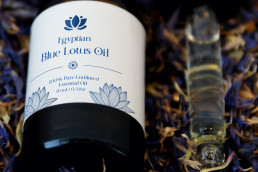
If you are searching for blue lotus oil for wrinkles, what you probably want to know is whether this much-romanticised botanical actually does anything measurable for fine lines, crepey texture, and the slow structural thinning that comes with age. The honest answer is that it helps, modestly and thoughtfully, as part of a well-constructed routine. It is not a retinoid replacement and it is not a facelift in a bottle. What it is, is a flavonoid-rich, gently aromatic oil that supports the skin’s antioxidant defences, calms reactive inflammation, and pairs beautifully with the harder-working actives you already use.
Table of Contents
- What Wrinkles Actually Are
- How Blue Lotus Oil Helps With Wrinkles
- Antioxidant protection against oxidative ageing
- Reducing low-grade inflammation
- Supporting the skin barrier
- The parasympathetic angle
- How to Use Blue Lotus Oil for Wrinkles
- The basic evening facial oil
- Layering with actives
- Eye area caution
- A weekly deeper treatment
- What to Expect: Realistic Timeframes
- When Blue Lotus Oil Is NOT the Right Choice
- Complementary Approaches
- Frequently Asked Questions
- Where to Go From Here
- A Quieter Route to Radiant Skin
It is written and clinically reviewed by Antonio Breshears, ND, CCA, a Bastyr-trained naturopathic doctor and certified clinical aromatherapist. For a broader grounding in the botany, chemistry, and applications of this oil, the master reference is The Complete Guide to Blue Lotus Oil, which pairs well with this more targeted article on ageing skin.
What Wrinkles Actually Are
Before we talk about what any oil can or cannot do, it is worth being precise about what we are treating. Wrinkles are not a single thing. They are a visible expression of several overlapping processes in skin, and the distinction matters because different causes respond to different interventions.
Dynamic wrinkles are the creases that appear when you smile, squint, or frown, and disappear when your face relaxes. Over years, repeated folding of the same tissue sets these patterns into the dermis. Static wrinkles are the lines that remain when your face is at rest. They reflect actual structural change: reduced collagen production, fragmented elastin, a thinner dermis, and slower cell turnover in the epidermis. Fine lines tend to sit closer to the surface and relate to dehydration, barrier disruption, and oxidative stress. Deep folds (nasolabial, marionette) are largely about volume loss and facial fat repositioning, and no topical product, however luxurious, will meaningfully shift them.
Understanding this hierarchy tells you where blue lotus oil fits. It is genuinely useful for the oxidative, inflammatory, and barrier-related components of ageing. It will not rebuild collagen the way a prescription retinoid does, and it will not restore lost volume. Hold those expectations honestly and you will be pleased with what it delivers.
How Blue Lotus Oil Helps With Wrinkles
The active story in *Nymphaea caerulea* for ageing skin sits in the flavonoid fraction, principally apigenin, quercetin, and kaempferol, supported by trace alkaloids including nuciferine and aporphine. These are well-characterised antioxidant and anti-inflammatory molecules in the broader botanical literature, and their presence in blue lotus absolute gives the oil a reasonable, if not dramatic, mechanistic footprint for skin ageing.
Antioxidant protection against oxidative ageing
The dominant theory of extrinsic skin ageing, the kind caused by sun, pollution, and lifestyle rather than chronology, is oxidative. Reactive oxygen species generated by UV exposure and environmental stressors damage dermal fibroblasts, oxidise lipids in the skin barrier, and upregulate enzymes (matrix metalloproteinases) that break down collagen and elastin. Flavonoids scavenge these free radicals and help quench the cascade before it damages structural proteins. Apigenin and quercetin in particular have been studied for their ability to protect fibroblasts from UV-induced stress in cell culture work. In practical terms, applying a flavonoid-rich oil each evening gives your skin an additional antioxidant buffer on top of whatever you are already doing (a morning vitamin C serum, a diet rich in polyphenols, adequate sleep).
Reducing low-grade inflammation
Chronic low-grade inflammation, sometimes called inflammaging, is now recognised as a significant driver of the visible ageing process. Skin that is persistently irritated, reactive, or subtly inflamed ages faster than skin that is calm. The flavonoids in blue lotus have gentle anti-inflammatory activity, and the oil itself tends to be well tolerated by sensitive or reactive skin when properly diluted. This is where I find it most clinically useful for wrinkle-prone skin: not as an active, but as a calming counterweight to the more aggressive treatments (retinoids, acids, peels) that actually build collagen and accelerate turnover.
Supporting the skin barrier
A compromised lipid barrier shows up on the face as fine crepey lines, a dull surface, and an amplified appearance of every existing wrinkle. Blue lotus absolute, when diluted into a thoughtful carrier oil such as jojoba, rosehip, or squalane, contributes to a richer occlusive layer that holds water in the stratum corneum. Hydrated skin reflects light more evenly and reads as younger even when the underlying structure is unchanged. This is a real and immediate effect, visible within days rather than months, though it is cosmetic smoothing rather than structural repair.
The parasympathetic angle
This is softer territory and I offer it with the appropriate caveats, but cortisol is catabolic to collagen, and chronic stress genuinely accelerates visible ageing. Blue lotus oil has a long-documented relationship with the olfactory-limbic system, and inhaling it as part of an evening skincare ritual nudges the nervous system toward parasympathetic dominance. Whether this translates to measurably less wrinkling over years is not something I can tell you from the literature. Whether it makes the ritual itself more restorative, and therefore more likely to be sustained, is clear enough.
How to Use Blue Lotus Oil for Wrinkles
The protocol for ageing skin is less aggressive than the one for acne or scarring, and more focused on consistency than intensity. You are not trying to force change; you are trying to support the skin’s own repair processes over months and years.
The basic evening facial oil
For most adults with normal to dry or combination skin, dilute blue lotus absolute at 1 to 2 percent into a carrier oil rich in essential fatty acids. Rosehip seed oil is my preferred base for ageing skin because it contains natural trans-retinoic acid precursors and linoleic acid. Jojoba is an excellent alternative, particularly for slightly oilier skin types, because its composition mirrors human sebum and it is exceptionally stable. Squalane suits very sensitive skin.
For a 30 ml bottle at 1.5 percent, that is roughly 9 to 10 drops of blue lotus absolute into your chosen carrier. Apply three to four drops to clean, slightly damp skin each evening, pressing rather than rubbing, working outward from the centre of the face. The damp application helps the oil spread and traps a little water against the skin.
Layering with actives
If you are already using a retinoid, an alpha-hydroxy acid, or a vitamin C serum, blue lotus oil layers on top beautifully and helps offset the dryness and reactivity these actives can produce. Apply your active as directed, wait until it has absorbed (ten to fifteen minutes is usually enough), then press in your blue lotus facial oil. Do not mix retinoids and strong acids in the same routine unless your skin is already fully adapted, and do not apply essential oils directly to skin that is freshly exfoliated or stripped.
Eye area caution
The periorbital skin is the thinnest on the face and the first to show fine lines, but it is also the most reactive to essential oils. If you want to use blue lotus oil around the eyes, drop the dilution to 0.5 to 1 percent maximum, apply with a ring-finger tap along the orbital bone (not directly on the lid), and stop immediately if you notice any stinging or puffiness. Many people find a dedicated fragrance-free eye cream a better choice for this area and reserve the blue lotus blend for the rest of the face.
A weekly deeper treatment
Once a week, apply a slightly heavier layer of your diluted blend to clean skin, lay a warm (not hot) damp flannel over your face for three to five minutes, and then press any remaining oil in. This gentle occlusion pushes more of the lipid-soluble fraction into the upper layers of skin and is a pleasant ritual in its own right.
What to Expect: Realistic Timeframes
Honesty here matters more than almost anywhere else. The skincare industry is built on the promise of visible change, and the pressure to see results in fourteen days drives a lot of people to abandon otherwise sensible routines too soon.
In the first two weeks, expect the immediate effects: softer texture, better light reflection, slightly plumper appearance from improved barrier hydration, and a general sense that the skin looks well. This is real, but it is surface-level.
Between one and three months of consistent nightly use, you may notice that fine lines related to dryness and dehydration soften noticeably, that the skin tolerates your other actives better, and that reactivity decreases. Friends may comment that your skin looks calm or radiant. This phase is largely about inflammation reduction and barrier restoration.
Beyond three months, the honest picture is more modest. Blue lotus oil is not a collagen stimulator in the way tretinoin is. What a flavonoid-rich facial oil gives you over the longer term is protection against ongoing oxidative damage, which means your skin ages more slowly from this point forward, rather than reversing what has already happened. That is a genuine, worthwhile benefit. It is simply not the same benefit as structural remodelling.
If you want the structural work, pair blue lotus oil with a prescription or well-formulated cosmeceutical retinoid, adequate sun protection every single morning, and attention to sleep and nutrition. The oil is a supporting player in that cast, not the lead.
When Blue Lotus Oil Is NOT the Right Choice
There are situations in which I would steer someone away from using this oil on their face, regardless of how elegant the ritual feels.
Pregnancy and breastfeeding are a firm no. The alkaloid fraction has not been characterised for developmental safety, and the prudent approach is to avoid any psychoactive botanical during this window, including topically.
Active eczema, rosacea flares, or broken skin are not appropriate for essential oil application of any kind. Wait until the skin is settled and the barrier is intact, and reintroduce very cautiously with a patch test.
Known sensitivity to floral absolutes (jasmine, tuberose, ylang ylang) is a reasonable reason to patch test with particular care, as cross-reactivity is possible.
If your primary wrinkle concern is deep structural folds (strong nasolabial lines, pronounced marionette lines, significant volume loss in the midface), no topical product will address what you are actually seeing. A consultation with a qualified dermatologist or aesthetic practitioner about retinoids, in-clinic treatments, or, where appropriate, injectable options is a more honest path. I mention this not to push you toward clinical intervention, but because I would rather you spend your money on what actually works for your specific concern.
Finally, if you are using strong prescription topicals for a dermatological condition (acne, psoriasis, perioral dermatitis), check with your prescriber before layering essential oils into the routine.
Complementary Approaches
A facial oil, however thoughtfully composed, works best inside a wider framework. The interventions with the strongest evidence for visible ageing reduction are the unglamorous ones: daily broad-spectrum sun protection (this is the single highest-leverage habit for skin ageing, full stop), adequate sleep, a diet rich in polyphenols and omega-3 fatty acids, and not smoking. A prescription retinoid, used consistently over years, remains the most studied topical for genuine structural improvement.
Alongside blue lotus oil in a botanical routine, rosehip seed oil (high in linoleic acid and natural tretinoin precursors), sea buckthorn (rich in omega-7 and carotenoids), and frankincense (traditionally used for mature skin and genuinely pleasant to blend with blue lotus) all make sensible companions. A morning vitamin C serum followed by sunscreen, and an evening routine built around gentle cleansing, a retinoid or bakuchiol, and your blue lotus facial oil, covers most of what a sensible topical strategy can deliver.
Hydration from within is underrated and free. So is stress management, which brings us back to the parasympathetic benefit of a considered evening ritual. The applying matters almost as much as what is being applied.
Frequently Asked Questions
Does blue lotus oil actually reduce wrinkles?
It reduces the appearance of fine lines related to dehydration and barrier compromise, and it protects skin from ongoing oxidative damage through its flavonoid content. It does not rebuild collagen the way prescription retinoids do, and it will not reverse deep structural folds. Think of it as a protective, calming layer rather than an active treatment.
Can I use blue lotus oil with retinol?
Yes, and in fact the combination is excellent. Apply your retinoid as directed, allow it to absorb, then press in your diluted blue lotus facial oil. The oil helps offset the dryness and mild irritation retinoids can cause, making the routine more tolerable and more sustainable.
What dilution is best for ageing skin?
1 to 2 percent in a carrier oil such as rosehip, jojoba, or squalane is the standard range. Drop to 0.5 to 1 percent for the eye area or for reactive skin. Anything above 2 percent on the face is unnecessary and increases the chance of sensitisation without improving results.
How long before I see results?
Surface effects (softness, glow, better hydration) appear within one to two weeks. Reduced reactivity and softened dehydration lines develop over one to three months. Longer-term benefits are protective rather than reversing, meaning your skin ages more slowly from this point forward rather than looking significantly younger than it does now.
Is blue lotus oil safe around the eyes?
With caution. Use a reduced dilution (0.5 to 1 percent), apply only along the orbital bone with a ring-finger tap rather than on the lid itself, and stop at any sign of stinging or puffiness. Many people prefer a dedicated eye product and reserve blue lotus for the rest of the face.
Can I use it during the day?
It is generally an evening oil. Citrus and photosensitising oils aside, blue lotus itself is not strongly phototoxic, but facial oils in the morning can interfere with sunscreen performance. Use it at night, and reserve mornings for a light serum and broad-spectrum SPF.
What carrier oil works best for mature skin?
Rosehip seed oil is my first choice for ageing skin because it contains natural vitamin A precursors and supports cell turnover. Jojoba is the most stable and suits combination skin. Squalane is excellent for very sensitive or reactive skin. Avoid heavy mineral-based carriers, which offer little beyond occlusion.
Will it help with crepey skin on the neck and chest?
Modestly. The neck and chest age differently from the face (thinner dermis, fewer sebaceous glands, frequent sun exposure) and respond less dramatically to any topical. Apply your diluted blend downward from jaw to collarbone each evening, and pair with daily sun protection on these areas. Over months, expect improvement in hydration and smoothness rather than structural change.
Can men use blue lotus oil for wrinkles?
Yes, with no modifications required. Male skin is typically slightly thicker and oilier, so jojoba or squalane often suits better than rosehip, and a 1 percent dilution is usually sufficient.
How should I store my facial oil blend?
In a dark glass dropper bottle, in a cool cupboard away from direct sunlight. A well-made blend with a stable carrier keeps for six to twelve months. The blue lotus absolute itself, stored undiluted in dark glass somewhere cool, remains viable for three to four years.
Where to Go From Here
If you are building a skincare routine around blue lotus oil, the most useful next step is to read The Complete Guide to Blue Lotus Oil, which grounds the chemistry, sourcing, and safety considerations in one place. From there, the practical questions (carrier choice, dilution maths, how to integrate with existing actives) become much easier to answer for your own skin. The oil rewards patient, consistent use within a sensible routine, and punishes expectations of dramatic overnight change. Used honestly, it is one of the more pleasant additions you can make to an ageing-skin protocol.

Antonio Breshears
Antonio Breshears is a renowned expert in holistic medicine and beauty, with over 25 years of research experience dedicated to uncovering the secrets of nature's most powerful remedies. Holding a degree in Naturopathic Medicine, Antonio's passion for healing and well-being has driven him to explore the intricate connections between mind, body, and spirit.
Over the years, Antonio has become a respected authority in the field, helping countless individuals discover the transformative power of plant-based therapies, including essential oils, herbs, and natural supplements. He has authored numerous articles and publications, sharing his wealth of knowledge with a global audience seeking to improve their overall health and well-being.
Antonio's expertise extends to the realm of beauty, where he has developed innovative, all-natural skincare solutions that harness the potency of botanical ingredients. His formulations embody his deep understanding of the healing properties found in nature, providing holistic alternatives for those seeking a more balanced approach to self-care.
With his extensive background and dedication to the field, Antonio Breshears is a trusted voice and guiding light in the world of holistic medicine and beauty. Through his work at Pure Blue Lotus Oil, Antonio continues to inspire and educate, empowering others to unlock the true potential of nature's gifts for a healthier, more radiant life.