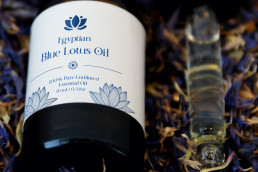
If you share your home with a dog and you have recently brought a bottle of blue lotus absolute into the house, you are right to pause before diffusing it or applying it on yourself in the dog’s vicinity. The short answer to whether blue lotus oil is safe for dogs is: not as a direct application, not for ingestion, and only with real caution around diffusion. This article unpacks what is actually known, what is reasonable precaution, and how to enjoy blue lotus oil yourself without putting your dog at risk.
Table of Contents
- Why This Question Deserves a Careful Answer
- What Blue Lotus Oil Actually Contains
- Is Blue Lotus Oil Safe for Dogs? The Short Version
- How Dogs React Differently to Essential Oils
- Olfactory Sensitivity
- Metabolic Differences
- Grooming Behaviour
- Diffusing Blue Lotus Oil Around Dogs: A Practical Protocol
- Ventilation
- Drop Count
- Duration
- Exit Route
- Watch for Signs of Discomfort
- What to Do If a Dog Ingests or Contacts Blue Lotus Oil
- Wearing Blue Lotus Oil on Yourself Around Dogs
- When Blue Lotus Oil Around Dogs Is NOT Appropriate
- Storage and Household Safety
- What to Expect If You Follow Sensible Practice
- Complementary Approaches for Anxious Dogs
- Frequently Asked Questions
- Where to Go From Here
- Pure, Considered, Artisan-Made
It is written and clinically reviewed by Antonio Breshears, ND, CCA, a Bastyr-trained naturopathic doctor and certified clinical aromatherapist. For broader context on the oil itself, its chemistry and its uses, see the complete guide to blue lotus oil, which covers the background material that sits underneath the household-safety question addressed here.
Why This Question Deserves a Careful Answer
Essential oils and absolutes are concentrated plant chemistry. A single drop of blue lotus absolute represents the extract of thousands of flowers, and the alkaloids and aromatic compounds it contains were never evolved to be encountered by a Labrador sleeping next to a diffuser for eight hours. Dogs metabolise many aromatic compounds differently from humans. Their respiratory rate, their body weight, their grooming behaviour (licking anything that lands on their coat), and their liver enzyme profile all change the risk calculation.
Blue lotus oil is not one of the classically notorious pet-toxic oils like tea tree or pennyroyal, but absence of headline cases does not equal proven safety. The honest position is this: there is no meaningful veterinary toxicology literature on Nymphaea caerulea absolute specifically, and in the absence of such data, the reasonable stance is cautious rather than permissive.
What Blue Lotus Oil Actually Contains
Blue lotus absolute contains psychoactive alkaloids, primarily aporphine (a weak dopamine agonist) and nuciferine (a weak dopamine antagonist with activity at 5-HT2A and 5-HT2C serotonin receptors). It also carries flavonoids including apigenin, quercetin and kaempferol, plus a complex blend of aromatic esters, terpenes and ketones that give the oil its characteristic honeyed-floral scent.
In humans, these compounds are responsible for the oil’s gentle relaxant and mood-softening effect. In a dog, the relevant question is different: what happens when a smaller mammal, with a different liver and a much keener olfactory system, encounters the same chemistry through inhalation or, worse, through skin contact and subsequent licking? The honest answer is that we do not have clean data, and caution is the right default.
Is Blue Lotus Oil Safe for Dogs? The Short Version
Here is the practical summary before the detail:
- Topical application on a dog: no. Do not apply blue lotus oil to a dog’s skin, coat, paws or ears, even diluted.
- Ingestion by a dog: no. Keep the bottle out of reach and clean spills immediately.
- Diffusing in a shared space: possibly acceptable, with ventilation, low drop counts, and an easy exit route for the dog. Not recommended in small, sealed rooms or around puppies, elderly dogs, or dogs with respiratory conditions.
- Wearing it on your own skin around a dog: generally fine once the oil has absorbed and the surface scent has settled. Avoid letting a dog lick freshly applied skin.
That is the headline. The rest of this article explains the reasoning and gives you a workable household protocol.
How Dogs React Differently to Essential Oils
Olfactory Sensitivity
A dog’s sense of smell is estimated to be between ten thousand and a hundred thousand times more acute than a human’s, depending on breed and which scent class you are measuring. An aromatic environment that feels pleasantly subtle to you may feel overwhelming, or at minimum insistently present, to your dog. Dogs cannot simply decide to tune out a scent the way we can. If the scent is unpleasant or strong to them, they will show it through avoidance behaviour: leaving the room, lip-licking, yawning, or turning their head away.
This matters because dogs are poor at communicating mild discomfort and owners are poor at noticing it. A dog who leaves the room when you switch on the diffuser is not being antisocial; they are voting with their paws.
Metabolic Differences
Dogs, unlike cats, retain most of the liver enzymes needed to metabolise plant aromatics. This is why dogs tolerate a broader range of essential oils than cats, who lack glucuronyl transferase and cannot efficiently clear many terpenes and phenols. However, “better than cats” is not the same as “safe”. Small dogs especially can receive a proportionally large dose from a single diffuser session in a closed room. And regardless of species, the liver does the work of clearing absorbed compounds, which places a demand on an organ that, in an older or ill dog, may already be under strain.
Grooming Behaviour
If a drop of oil, diluted or neat, lands on a dog’s coat or the surrounding floor, the dog will eventually lick it. This converts an inhalation exposure into an ingestion exposure, which is a different and more concerning category of risk. This is the single biggest reason topical application on dogs is a bad idea regardless of dilution.
Diffusing Blue Lotus Oil Around Dogs: A Practical Protocol
If you want to enjoy the scent of blue lotus in a household that includes a dog, diffusion is the most defensible method, provided you follow a few sensible rules.
Ventilation
Use blue lotus in rooms with open windows or good airflow, not in small sealed bedrooms or bathrooms. The goal is a subtle ambient scent, not a saturated one.
Drop Count
Use two to three drops in a standard ultrasonic diffuser, not five or six. You are scenting a space, not fumigating it. Less is always more with absolutes, and this principle becomes non-negotiable when a dog shares the room.
Duration
Run the diffuser intermittently rather than continuously. Thirty to sixty minutes followed by a break is better than running it all evening. Intermittent diffusion allows the aromatic compounds to clear and prevents gradual accumulation in fabrics and fur.
Exit Route
The dog must always be able to leave the room freely. Never diffuse blue lotus, or any essential oil, in a crate, a small laundry, or any space where the dog cannot move away from the scent. If your dog consistently leaves the room when you diffuse, take that as the definitive answer: they do not want it, and you should not override that preference.
Watch for Signs of Discomfort
Stop diffusion immediately if you observe any of the following: excessive drooling, pawing at the face, persistent sneezing or coughing, watery eyes, unsteadiness, vomiting, or unusual lethargy. These are signs that the dog is reacting poorly and should prompt a call to your vet if they do not resolve once the dog is moved to fresh air.
What to Do If a Dog Ingests or Contacts Blue Lotus Oil
If a dog licks up a spill or manages to chew a bottle, contact your veterinarian or an animal poison control line straight away. Do not wait for symptoms to develop. Have the bottle available so you can report the concentration and the approximate volume that may have been ingested. Do not induce vomiting unless specifically instructed to do so by a veterinary professional; inappropriate emesis with an oily substance can worsen outcomes through aspiration.
If oil contacts a dog’s skin or fur, wash the area with a mild pet-safe shampoo and warm water, not with solvents or additional oils. Rinse thoroughly. Keep the dog from licking the area while you do this.
Wearing Blue Lotus Oil on Yourself Around Dogs
This is the scenario most owners actually care about, and the answer here is more permissive. Blue lotus oil applied to your pulse points, diluted at one to two percent in a carrier and allowed to absorb for ten or fifteen minutes before close contact, is not a meaningful risk to a healthy adult dog. The quantity is small, the surface dries, and the airborne exposure from skin-worn oil is orders of magnitude lower than from a diffuser.
The caveats: do not apply blue lotus oil and then immediately cuddle your dog face-to-face. Do not let a dog lick freshly oiled skin. Do not apply it to the back of your hand if that hand is about to scratch your dog’s ears. Give the oil time to absorb, and keep a sensible barrier between the application site and the dog’s mouth for the first hour.
When Blue Lotus Oil Around Dogs Is NOT Appropriate
There are situations where I would avoid blue lotus oil in the household environment entirely:
- Puppies under six months. Their metabolism and respiratory system are still developing, and their tolerance is unpredictable.
- Senior dogs with liver, kidney or respiratory disease. Any additional metabolic load is unwelcome, and respiratory irritation from aromatic compounds can exacerbate existing conditions.
- Brachycephalic breeds (pugs, bulldogs, Frenchies, boxers) with compromised airways. These dogs already work hard to breathe and are more sensitive to airborne irritants.
- Pregnant or nursing dogs. The same pregnancy caution that applies to humans applies here, with even less data to fall back on.
- Dogs on medication, particularly those on sedatives, antidepressants, anti-seizure medication, or dopaminergic drugs. Speak with your vet before introducing aromatic compounds into the household.
- Dogs who have shown sensitivity to other scented products. If your dog reacts to candles, plug-in air fresheners, or cleaning sprays, they will likely react to diffused blue lotus too.
Storage and Household Safety
Practical storage matters more than most people realise. Blue lotus absolute is supplied in small dark glass bottles that are, to a curious dog, chewable and pocket-sized. Store the bottle in a cupboard or drawer that the dog cannot access, not on a bedside table or bathroom shelf. Clean up spills immediately with soap and water; absolutes on a carpet or rug are a long-term exposure risk if a dog likes to lie there.
If you use blue lotus oil in a roller blend, treat the roller the same way you would treat medication: out of reach, cap on, never left on the floor or sofa. A dog chewing through a roller ball is a real scenario, not a theoretical one.
What to Expect If You Follow Sensible Practice
Most owners who diffuse blue lotus oil occasionally, at low drop counts, in well-ventilated rooms, with the dog free to leave, experience no problems at all. Dogs either ignore the scent or mildly investigate and move on. Over weeks and months, sensible use produces no observable effect on the dog and a considerable ambient benefit to the human in the room. The key is consistency of caution: treat every session the same way, keep drop counts low, and pay attention to your specific dog’s preferences rather than generalising.
What you should not expect is any benefit to the dog from the oil. Blue lotus is not a canine calming agent, and there is no evidence to support using it for that purpose. If your dog is anxious, the answer is behavioural work, environmental management, and, where appropriate, veterinary-prescribed anxiolytics, not a drop of absolute on their collar.
Complementary Approaches for Anxious Dogs
Since the question of blue lotus often comes up in the context of wanting to help a nervous dog, it is worth stating the better routes clearly. For genuine canine anxiety, the evidence base supports consistent daily exercise, structured training with a qualified trainer, pressure wraps for some dogs, pheromone diffusers formulated specifically for dogs (such as those containing dog-appeasing pheromone), and, where warranted, veterinary consultation for prescription support. Essential oils marketed for dogs should be approached with scepticism and ideally chosen in consultation with a veterinary professional who knows your animal.
Do not try to make blue lotus oil do the job of a proper behavioural and medical plan. It is not formulated for dogs, was not studied in dogs, and deserves to be kept in its human lane.
Frequently Asked Questions
Is blue lotus oil toxic to dogs?
There is no well-documented toxicity data specific to blue lotus absolute in dogs. It is not on the classical list of severely pet-toxic oils (such as tea tree, pennyroyal or wintergreen), but absence of reported cases is not proof of safety. Treat it as an oil requiring caution rather than as clearly safe or clearly toxic.
Can I diffuse blue lotus oil in the same room as my dog?
Yes, with caveats. Use two to three drops maximum, ensure ventilation, diffuse intermittently rather than continuously, and ensure the dog can leave the room freely. Stop immediately if the dog shows signs of discomfort.
Is it safe to put blue lotus oil on my dog’s collar for calming?
No. Do not apply blue lotus oil to your dog’s collar, coat or skin. Dogs will groom the area and convert a topical exposure into an ingestion exposure, which is a more concerning category of risk.
What if my dog licked a drop of blue lotus oil?
Contact your vet or an animal poison control line, provide details of the product and the quantity involved, and monitor the dog closely. Do not induce vomiting without professional guidance. Small incidental exposure in a healthy adult dog is unlikely to cause serious harm, but professional advice is the correct response.
Can I wear blue lotus oil as a perfume if I own a dog?
Yes. Applied at normal dilutions to pulse points and allowed to absorb before close contact, skin-worn blue lotus oil poses minimal risk to a healthy dog. Do not let the dog lick freshly oiled skin.
Are there any dog breeds that are especially sensitive?
Brachycephalic breeds (pugs, bulldogs, French bulldogs, boxers) and dogs with pre-existing respiratory or liver conditions are more sensitive to airborne aromatics. Very small breeds may also receive proportionally larger inhalation doses. Err on the side of minimal diffusion around these animals.
Is blue lotus oil safe around puppies?
I would avoid diffusing blue lotus oil around puppies under six months. Their developing respiratory and metabolic systems are less predictable in their response to aromatic compounds, and there is no benefit that justifies the exposure.
What essential oils are safer to diffuse around dogs?
Lavender, frankincense and cedarwood are generally considered lower-risk for occasional, dilute diffusion around healthy adult dogs. Still, the same rules apply: low drop counts, ventilation, intermittent use, and the freedom for the dog to leave the room. No essential oil is “completely safe” for all dogs in all circumstances.
Can blue lotus oil help my anxious dog?
No, and I would not recommend using it for that purpose. There is no evidence supporting blue lotus as a canine anxiolytic, and better routes exist: behavioural training, exercise, pheromone products designed for dogs, and veterinary guidance where anxiety is significant.
How long does the scent of diffused blue lotus last in fabrics?
Aromatic compounds from diffusion can linger on soft furnishings and dog beds for hours or days, depending on ventilation and the materials involved. If your dog sleeps on a particular cushion, avoid diffusing directly above it, and wash the cushion cover periodically if you diffuse in that room regularly.
Where to Go From Here
The summary of the question is simple: blue lotus oil is not a product designed for or tested on dogs, and the sensible household practice is to enjoy it on yourself and in well-ventilated shared spaces while keeping it well away from the dog’s skin, mouth, and crate. Treat it like any other concentrated aromatic product: respect the dose, respect the species, and respect your particular dog’s preferences. For a fuller understanding of what the oil is and how it works in humans, the complete guide to blue lotus oil is the right next stop, and if you have any concern at all about a specific exposure, your vet remains the correct first call.

Antonio Breshears
Antonio Breshears is a renowned expert in holistic medicine and beauty, with over 25 years of research experience dedicated to uncovering the secrets of nature's most powerful remedies. Holding a degree in Naturopathic Medicine, Antonio's passion for healing and well-being has driven him to explore the intricate connections between mind, body, and spirit.
Over the years, Antonio has become a respected authority in the field, helping countless individuals discover the transformative power of plant-based therapies, including essential oils, herbs, and natural supplements. He has authored numerous articles and publications, sharing his wealth of knowledge with a global audience seeking to improve their overall health and well-being.
Antonio's expertise extends to the realm of beauty, where he has developed innovative, all-natural skincare solutions that harness the potency of botanical ingredients. His formulations embody his deep understanding of the healing properties found in nature, providing holistic alternatives for those seeking a more balanced approach to self-care.
With his extensive background and dedication to the field, Antonio Breshears is a trusted voice and guiding light in the world of holistic medicine and beauty. Through his work at Pure Blue Lotus Oil, Antonio continues to inspire and educate, empowering others to unlock the true potential of nature's gifts for a healthier, more radiant life.