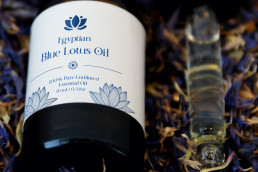
Feet carry the whole weight of a life, and they show it. Thickened heels, dry ridges, tired arches after long days, and the particular ache that settles in after standing on hard floors are all genuine complaints that deserve a considered answer. This article looks at whether blue lotus oil for feet is a sensible addition to a foot-care routine, how it compares to the usual suspects, and how to use it properly for dry heels, tension, and the ritual of end-of-day recovery.
Table of Contents
- What Feet Actually Need
- How Blue Lotus Oil Helps With Feet
- Flavonoid support for stressed skin
- Parasympathetic shift through scent
- The ritual dimension
- How to Use Blue Lotus Oil for Feet and Dry Heels
- The basic foot balm dilution
- The nightly protocol for cracked heels
- The tension-release foot rub
- Adding complementary oils
- What to Expect: Realistic Timeframes
- When Blue Lotus Oil Is NOT the Right Choice for Feet
- Complementary Approaches That Actually Matter
- A Foot Ritual Worth Keeping
- Frequently Asked Questions
- Where to Go From Here
- Treat Your Feet Beautifully
It is written and clinically reviewed by Antonio Breshears, ND, CCA, a Bastyr-trained naturopathic doctor and certified clinical aromatherapist. For broader context on the oil itself, including chemistry and safety, The Complete Guide to Blue Lotus Oil covers the foundations that underpin every application discussed here.
What Feet Actually Need
Before deciding whether any single oil is useful, it helps to name the problem accurately. Dry heels are rarely a simple hydration issue. The skin on the sole, and particularly on the heel, is among the thickest on the body. It thickens further in response to pressure, friction, and unsupportive footwear. When that thickened layer loses its lipid barrier, usually through a combination of low humidity, harsh soaps, and ageing, it becomes brittle rather than supple, and fissures open along the heel rim where the skin flexes most.
Addressing this properly means three things working together: softening the existing callus so it can be gently reduced, restoring the lipid barrier so new skin holds moisture, and reducing the friction that caused the thickening in the first place. A beautiful oil cannot fix unsupportive shoes. It can, however, make a very real difference in the softening and barrier repair stages, particularly when it is chosen and formulated with some care.
Tired, aching feet are a different problem entirely. They are usually a vascular and muscular complaint: sluggish return circulation, tight plantar fascia, and held tension through the calves and ankles. This is where massage, warmth, and the parasympathetic effect of a genuinely relaxing scent earn their place.
How Blue Lotus Oil Helps With Feet
Blue lotus absolute (Nymphaea caerulea) is not primarily thought of as a foot-care oil, and it is worth being honest about why. It is expensive, it is precious, and the foot is not a delicate surface. Most of what a foot needs, mechanically, can be delivered by good shea butter, a reasonable plant oil, and a pumice stone. That said, there are three genuine reasons it belongs in a considered foot ritual.
Flavonoid support for stressed skin
Blue lotus is rich in flavonoids including quercetin, kaempferol, and apigenin. These compounds have reasonably well-attested anti-inflammatory and antioxidant activity at the skin level. For feet that are not merely dry but inflamed, with that pink-edged soreness around fissures or the reactive redness of an irritated callus, flavonoid-rich oils can calm the tissue while barrier-repair ingredients do the structural work. Blue lotus is not unique in offering flavonoids, but the profile is unusually rich for a floral.
Parasympathetic shift through scent
The second mechanism is olfactory. A warm foot massage with any decent oil helps, but the scent of blue lotus acts on the olfactory-limbic pathway to encourage parasympathetic dominance: the branch of the nervous system that governs rest, digestion, and recovery. Aching feet are often the body’s most honest report of a nervous system that has been in sympathetic drive all day. A ritual that combines touch, warmth, and a genuinely calming scent is doing more than moisturising skin.
The ritual dimension
The third reason is less physiological and more human. People who invest in a beautiful oil tend to actually use it. A jar of cheap foot cream sits on the shelf; an ampoule of blue lotus absolute blended into a proper foot balm gets reached for at the end of the day. The best treatment is the one you will do consistently, and there is no shame in choosing something beautiful so that you will.
How to Use Blue Lotus Oil for Feet and Dry Heels
Feet tolerate higher dilutions than most of the body because the skin is thick and there are almost no mucous membranes or fine capillaries close to the surface. That does not mean more is better; it means you have some latitude.
The basic foot balm dilution
For a nightly foot treatment targeting dry heels and general dryness, a 3 percent dilution of blue lotus absolute in a rich carrier works well. That is roughly 18 drops of blue lotus per 30ml of carrier. The carrier matters as much as the essential oil here: choose something with genuine barrier-repair capacity rather than a light facial oil.
A sensible carrier blend would be two parts shea butter or cocoa butter gently warmed to melt, one part jojoba, and a small fraction of castor oil for its occlusive quality. Whisk as it cools to achieve a soft balm, then stir in the blue lotus and a touch of vitamin E at the very end once the mixture is warm rather than hot. Store in a small glass jar and keep the lid on.
The nightly protocol for cracked heels
The protocol that produces results for dry, fissured heels is more about consistency than heroism. After a shower or a ten-minute foot soak in warm water with a handful of Epsom salts, dry the feet thoroughly, paying particular attention to between the toes. Use a pumice stone in gentle circles over the heel and any callus-prone areas: this is softening-and-reducing, not aggressive sanding.
Apply the foot balm generously, massaging from the toes up towards the ankle, spending particular time on the heel rim and the arch. Put on a pair of clean cotton socks and go to bed. This is unglamorous and deeply effective. Do this every night for two weeks and the difference will be obvious.
The tension-release foot rub
For tired, aching feet rather than dry ones, a lighter oil formulation works better. Blend blue lotus at 2 to 3 percent in jojoba or sweet almond oil and keep it in a small glass bottle within reach of where you sit in the evening. Warm a small amount between the palms, then work into each foot for three or four minutes, paying attention to the plantar fascia along the arch and the tender spots at the heel pad. This is about pressure and presence as much as the oil itself.
Adding complementary oils
Blue lotus pairs well with a small number of companion oils in foot formulations. Lavender adds a clearly soothing dimension and extends the calming quality. Peppermint at a very low percentage adds a cooling, circulation-rousing note that suits hot, tired feet after a long day. Roman chamomile supports the anti-inflammatory angle for irritated skin. Frankincense contributes barrier support and a grounding scent that complements blue lotus without competing with it. Keep total essential oil load at or below 3 percent for routine use.
What to Expect: Realistic Timeframes
For general dryness and rough skin, a well-formulated nightly balm with blue lotus and proper barrier-repair carriers will produce visible softening within five to seven nights. The skin will look less dull, feel noticeably smoother under the fingertips, and lose the chalky quality that characterises dehydrated feet.
For established cracked heels with visible fissures, expect two to four weeks of consistent nightly treatment before the fissures close properly. If you are also wearing backless shoes or standing on hard floors all day, that timeline extends. The oil is doing its part; the shoes have to do theirs.
For the tension-and-fatigue application, the effect is immediate but cumulative. A single evening foot rub will ease that night’s ache. A habit of doing it three or four evenings a week over a month will change your overall relationship with your feet, and often with sleep, because the parasympathetic shift before bed is genuinely useful.
What blue lotus oil for feet will not do, within any timeframe, is resolve structural problems. Plantar fasciitis, heel spurs, diabetic neuropathy, and fungal infections all need their own clinical attention.
When Blue Lotus Oil Is NOT the Right Choice for Feet
There are several situations where this particular oil is either unhelpful or actively the wrong tool.
Fungal infection. Athlete’s foot and toenail fungus are microbial problems that need antifungal treatment, whether that is tea tree oil at an appropriate dilution, a pharmacist-recommended antifungal, or medical assessment for persistent cases. Blue lotus has no meaningful antifungal reputation and putting it on a macerated, fungal-affected web space between toes will not help.
Open wounds and deep fissures with bleeding. If a heel fissure has opened to the point of bleeding or weeping, it needs clean management with an appropriate barrier ointment and possibly medical review, not a scented oil. Once the wound has closed and is in the healing-skin phase, a gentle blue lotus balm can support the repair.
Diabetic feet. Anyone with diabetes or peripheral neuropathy should not self-manage foot problems with aromatherapy products without first checking in with their podiatrist or GP. Reduced sensation and impaired healing change the risk profile entirely.
Pregnancy and breastfeeding. Blue lotus is avoided throughout pregnancy and breastfeeding as a precaution, regardless of the application site. Swap to a plain shea and jojoba balm during those seasons, or add a pregnancy-safe oil like Roman chamomile if a scent dimension matters to you.
Budget constraints. Blue lotus absolute is among the most expensive essential oils on the market. Using it at 3 percent in a generous foot balm is not inexpensive. If cost is a real factor, a well-made shea and jojoba balm with lavender will do most of what you need for dry heels, and blue lotus can be reserved for the face, the pulse points, or the occasional ritual.
Complementary Approaches That Actually Matter
A good oil sits inside a broader approach, and for feet in particular, the surrounding habits carry more weight than any single product.
Hydration from within is not a cliche. The skin on the feet reflects systemic hydration quickly. Several glasses of water across the day will do more for dry heels than an extra ounce of balm.
Footwear is the upstream cause of most heel thickening. Unsupportive backless shoes worn regularly are the single biggest contributor to cracked heels, because the heel fat pad is forced to spread laterally with every step and the skin thickens defensively. If you live in flip-flops or mules, no oil will win against that mechanical pattern.
Weekly pumice use, done gently, prevents callus buildup from reaching the point where it cracks. The aim is maintenance, not removal. Two minutes with a pumice stone in the shower, twice a week, keeps the heel skin at a workable thickness.
Socks matter more than people think. Clean cotton socks overnight after applying balm dramatically improve how well the skin receives the treatment. Compression socks during long standing days reduce the swelling and friction that drive thickening.
Finally, if feet hurt structurally rather than cosmetically, a single session with a good podiatrist or physiotherapist often reveals the underlying mechanical issue, which no oil can reach.
A Foot Ritual Worth Keeping
The end-of-day foot ritual is one of those small practices that pays back more than it costs in time. Ten minutes with warm water, a pumice stone, a generous application of a scented balm, and a pair of cotton socks is a gesture of care toward a part of the body that has done a great deal of work. Blue lotus earns its place here not because it is uniquely capable of softening skin, but because it transforms the ritual into something worth showing up for.
Feet benefit from attention more than from any specific ingredient. The oil is a vehicle for attention, made more pleasant by being beautifully scented.
Frequently Asked Questions
Can I apply blue lotus oil directly to my feet without dilution?
It is not recommended. Although foot skin tolerates higher concentrations than facial skin, undiluted absolute is wasteful and can still sensitise. A 3 percent dilution in a rich carrier or balm is the sensible maximum for routine use.
How often should I use a blue lotus foot balm?
Nightly is ideal for the first two weeks when treating dry or cracked heels, then three or four times a week for maintenance. For tension release, use it whenever feet are tired; there is no upper limit at proper dilution.
Will blue lotus oil actually heal cracked heels?
It will support the healing environment, particularly through its flavonoid content and through the occlusive effect of the carrier balm. The healing itself is done by the skin, given the right conditions. Expect meaningful improvement in two to four weeks with consistent use.
What carrier works best for a foot balm with blue lotus?
A blend of shea or cocoa butter with jojoba and a small amount of castor oil. The butters provide barrier repair, jojoba absorbs well, and castor adds occlusion that keeps the balm working through the night.
Can I use blue lotus oil on my feet during pregnancy?
No. Blue lotus is avoided throughout pregnancy and breastfeeding. Use a plain shea and jojoba balm during these seasons, with Roman chamomile if you want a calming scent dimension.
Does blue lotus oil help with athlete’s foot?
No. Athlete’s foot is a fungal infection and needs antifungal treatment. Blue lotus has no meaningful antifungal action and is the wrong tool for that job.
Can I add peppermint to my blue lotus foot oil?
Yes, and it is a classic pairing for tired feet. Keep peppermint at a very low percentage, around 0.5 to 1 percent, because it is potent and cooling. The total essential oil load should stay at or below 3 percent.
Why are my heels still cracking even with a good oil?
Almost always footwear or systemic hydration. Backless shoes, unsupportive sandals, and low daily water intake defeat even excellent topical care. The oil works when the mechanical and hydration conditions allow it to.
How long does a homemade blue lotus foot balm last?
Six to nine months in a sealed glass jar kept in a cool, dark place. Adding a little vitamin E at the end of the formulation extends shelf life slightly. Discard if the scent changes or the texture separates.
Is blue lotus worth the cost for a foot application specifically?
Honestly, only if you value the ritual and the scent. For pure barrier repair of dry heels, a shea and jojoba balm with lavender will do almost as well at a fraction of the cost. Blue lotus earns its place when the sensory experience genuinely matters to how reliably you use the product.
Where to Go From Here
If you have read this far, you are probably someone who wants their self-care to be both effective and worth the time it takes. A well-made blue lotus foot balm, used consistently for two weeks, will give you a clear answer about whether it belongs in your routine. For the wider picture of how this oil works, where it comes from, and how it fits across skincare, sleep, and ritual use, The Complete Guide to Blue Lotus Oil is the place to start. From there, the skincare cluster on this site covers face, body, and complexion applications in more detail.

Antonio Breshears
Antonio Breshears is a renowned expert in holistic medicine and beauty, with over 25 years of research experience dedicated to uncovering the secrets of nature's most powerful remedies. Holding a degree in Naturopathic Medicine, Antonio's passion for healing and well-being has driven him to explore the intricate connections between mind, body, and spirit.
Over the years, Antonio has become a respected authority in the field, helping countless individuals discover the transformative power of plant-based therapies, including essential oils, herbs, and natural supplements. He has authored numerous articles and publications, sharing his wealth of knowledge with a global audience seeking to improve their overall health and well-being.
Antonio's expertise extends to the realm of beauty, where he has developed innovative, all-natural skincare solutions that harness the potency of botanical ingredients. His formulations embody his deep understanding of the healing properties found in nature, providing holistic alternatives for those seeking a more balanced approach to self-care.
With his extensive background and dedication to the field, Antonio Breshears is a trusted voice and guiding light in the world of holistic medicine and beauty. Through his work at Pure Blue Lotus Oil, Antonio continues to inspire and educate, empowering others to unlock the true potential of nature's gifts for a healthier, more radiant life.