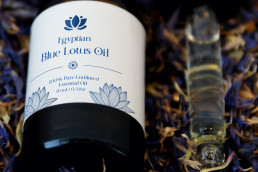
If you are subject to workplace drug testing, probation screening, athletic competition, or any other context where a positive result carries real consequences, the question of whether a blue lotus oil drug test interaction exists is not academic. This article answers plainly: standard drug panels do not screen for the compounds in Nymphaea caerulea, and topical or aromatic use of a properly made blue lotus absolute is not known to cause a positive result on conventional employment or clinical screens. That said, there are some nuances worth understanding before you assume you are in the clear.
Table of Contents
- What a Standard Drug Test Actually Looks For
- The Actual Chemistry of Blue Lotus Oil
- Topical and Aromatic Use: The Short Answer
- Ingestion, Tea, and Tinctures: A More Nuanced Picture
- Cross-Reactivity: Could Blue Lotus Trigger a False Positive?
- Context-Specific Considerations
- Workplace and Pre-Employment Testing
- Probation and Legal Testing
- Athletic Testing (WADA, NCAA, Professional Leagues)
- Medical Testing
- What to Expect: Realistic Detection and Timeframes
- When Blue Lotus Oil Is NOT the Right Choice
- Complementary Considerations for Peace of Mind
- Frequently Asked Questions
- Where to Go From Here
- Pure Blue Lotus Oil, Transparently Made
It is written and clinically reviewed by Antonio Breshears, ND, CCA, a Bastyr-trained naturopathic doctor and certified clinical aromatherapist. For the broader safety and legal context around this plant, see the Complete Guide to Blue Lotus Oil, which covers chemistry, regulation, and responsible use in depth.
What a Standard Drug Test Actually Looks For
Before asking whether blue lotus oil will show up on a drug test, it helps to understand what drug tests are actually screening for. The vast majority of workplace, pre-employment, probation, and clinical drug panels are designed around a small, well-defined list of controlled substances and their metabolites. The most common is the “SAMHSA-5” panel, which looks for cannabis (THC metabolites), cocaine metabolites, opiates (morphine, codeine, sometimes heroin), amphetamines (including methamphetamine and MDMA), and phencyclidine (PCP).
Extended panels may add benzodiazepines, barbiturates, methadone, oxycodone, fentanyl, tramadol, and synthetic cannabinoids. Some specialised screens include alcohol metabolites or ethyl glucuronide. Athletic testing, particularly under WADA (the World Anti-Doping Agency), is far broader and covers stimulants, anabolic agents, hormones, diuretics, and masking agents.
None of these panels specifically screen for aporphine, nuciferine, apigenin, quercetin, or any of the other constituents found in blue lotus. The alkaloids in Nymphaea caerulea are not scheduled substances in most jurisdictions, they are not structurally similar to scheduled substances in ways that would trigger antibody cross-reactivity on an immunoassay, and they do not share metabolic pathways that would produce a flagged metabolite.
The Actual Chemistry of Blue Lotus Oil
Blue lotus absolute contains a small fraction of aporphine (a weak dopamine agonist), a trace of nuciferine (a weak dopamine antagonist with some serotonin receptor activity), and a suite of flavonoids including apigenin, quercetin, and kaempferol. These compounds are psychoactive in the loosest sense of the word: they can produce a very mild calming effect, particularly when consumed in herbal tea form, but they are not structurally related to the drugs of abuse that drug panels are designed to detect.
Aporphine shares a name root with apomorphine, a prescription drug used for Parkinson’s disease and erectile dysfunction, but the two compounds are distinct and aporphine itself is not controlled. Nuciferine is studied for its potential antipsychotic and metabolic properties and is also not scheduled. Neither compound metabolises into morphine, codeine, or any opiate that would trigger a positive opiate screen.
This is worth stating clearly because the internet is full of loose associations between “lotus” and “opium” that conflate entirely different plants. Opium comes from Papaver somniferum, the opium poppy. Blue lotus is Nymphaea caerulea, a water lily. They are not related botanically, chemically, or legally. Eating poppy seeds on a bagel can theoretically produce a positive opiate screen because poppy seeds contain trace morphine and codeine. Using blue lotus oil cannot, because blue lotus does not contain those compounds.
Topical and Aromatic Use: The Short Answer
For the typical user of blue lotus essential oil or absolute, the relevant use cases are diffusing the oil, applying it diluted to skin in a rollerball or face serum, or blending it into a bath. None of these exposure routes delivers meaningful systemic levels of any compound that a drug panel screens for.
Topical absorption of essential oil constituents is modest at best. The fragrance molecules that reach the bloodstream are typically terpenes and small aromatic compounds; alkaloids and flavonoids present in the absolute are either too large, too polar, or too sparsely concentrated to produce significant plasma levels through skin application. Inhalation through a diffuser produces even lower systemic exposure, since the olfactory-limbic pathway acts primarily on receptors in the nose and brain rather than delivering bulk compound to circulation.
In practical terms: if you are wearing blue lotus oil as a natural fragrance, diffusing it before sleep, or including it in a massage blend at two to three percent dilution, there is no realistic pathway by which this produces a positive drug screen.
Ingestion, Tea, and Tinctures: A More Nuanced Picture
The question becomes slightly more interesting if someone is consuming blue lotus in other forms, such as steeped flower tea, alcohol tinctures, or smoked preparations. These routes deliver far higher doses of the active alkaloids and flavonoids to the bloodstream.
Even in these cases, however, the fundamental point holds: drug panels do not test for aporphine, nuciferine, apigenin, or kaempferol. A person who drinks blue lotus tea before bed and takes a workplace drug test the next morning is not going to fail because of the tea. There is no validated immunoassay for blue lotus constituents, and no forensic laboratory adds them to their standard scope.
Where a small theoretical risk exists is with confirmatory testing by gas chromatography-mass spectrometry (GC-MS). GC-MS can identify almost any compound if a laboratory is specifically looking for it. If a test were designed to look for blue lotus metabolites, the laboratory could find them. But this does not happen in routine screening. Confirmatory GC-MS is triggered only when an initial immunoassay flags positive, and confirmation is then run against the specific drug the immunoassay screened for, not against a hypothetical list of unrelated compounds.
Cross-Reactivity: Could Blue Lotus Trigger a False Positive?
False positives on drug immunoassays happen when an unrelated compound is similar enough in structure to the target drug that the screening antibody binds it by mistake. Classic examples include diphenhydramine (Benadryl) occasionally triggering PCP screens, certain antidepressants triggering amphetamine screens, and poppy seeds triggering opiate screens.
There is no published report, to my knowledge, of blue lotus constituents cross-reacting with any standard drug panel. The molecular architecture of aporphine and nuciferine is distinct from opiates, amphetamines, cannabinoids, and benzodiazepines. Flavonoids like apigenin and quercetin are abundant in everyday foods (parsley, chamomile, onions, apples) and do not cause drug screen problems.
If the theoretical risk of a false positive is what concerns you, the practical answer is that blue lotus sits in a much lower risk category than many everyday substances. Poppy seeds, certain cold medications, and some antibiotics pose more documented cross-reactivity risk than blue lotus oil.
Context-Specific Considerations
Workplace and Pre-Employment Testing
Standard five-panel and ten-panel workplace screens will not detect blue lotus oil use. If your employer uses a more expansive panel for safety-sensitive positions (commercial driving, aviation, healthcare), the additions typically cover synthetic opioids, benzodiazepines, and sometimes alcohol biomarkers. Blue lotus is not included.
Probation and Legal Testing
Probation panels are similar to workplace panels, occasionally expanded to include specific substances relevant to the original offence. Blue lotus is not a scheduled substance at the US federal level and is not specifically prohibited in most jurisdictions, with the notable exceptions of Louisiana (which regulates it), Russia, Poland, Latvia, and certain restrictions in Australia. If you are on probation in a jurisdiction where blue lotus is legal, its use is not going to produce a positive screen, but checking with your probation officer on novel herbal substances is always sensible.
Athletic Testing (WADA, NCAA, Professional Leagues)
This is the one context where the answer becomes slightly less certain. Athletic testing panels are broader and continually expanding. Blue lotus is not currently on the WADA Prohibited List, and its constituents are not banned substances. However, athletes subject to strict-liability testing regimes should always verify the current status of any herbal supplement with their governing body’s anti-doping team, since rules can shift and some organisations maintain broader restrictions on “substances of abuse” or intoxicants.
Medical Testing
If you are being tested clinically (for example, by a pain management physician monitoring opioid compliance, or by a hospital screening for toxic exposure), the tests run are even more narrowly targeted than workplace panels. Blue lotus will not appear.
What to Expect: Realistic Detection and Timeframes
Because no standard drug test is looking for blue lotus compounds, there is no meaningful “detection window” to discuss in the way we would for cannabis or benzodiazepines. The alkaloids and flavonoids in blue lotus are metabolised and cleared through normal hepatic pathways within hours to a day or two for most constituents, but this clearance timeline is academic since nothing is being screened for in the first place.
For the anxious user who wants numerical reassurance: topical or diffused blue lotus oil use produces such low systemic exposure that detectable plasma levels of the alkaloids would be difficult to measure even with targeted analytical chemistry within hours of application. By the time you are standing at a collection site, there is nothing meaningful to find even if someone were looking.
When Blue Lotus Oil Is NOT the Right Choice
Drug test concerns are not the only safety consideration. Independent of any testing question, blue lotus oil is not appropriate in the following situations:
- Pregnancy and breastfeeding, due to insufficient safety data and traditional contraindications
- Concurrent use of dopaminergic medications (Parkinson’s treatments, some antipsychotics) where the aporphine and nuciferine activity could theoretically interact
- Concurrent use of MAOI antidepressants, where any alkaloid-containing botanical warrants caution
- Jurisdictions where blue lotus is restricted: Russia, Poland, Latvia, the US state of Louisiana, and certain regulatory constraints in Australia
- Use as a substitute for clinical care in serious mental health conditions, where it is simply not a strong enough agent to replace appropriate treatment
None of these contraindications relate to drug testing directly. They are listed because a realistic discussion of blue lotus safety has to address them regardless of the specific question at hand.
Complementary Considerations for Peace of Mind
If you are using blue lotus oil in a context where drug testing is a genuine concern, a few practical steps can help:
Keep your supplier documented. Buy from a reputable vendor who provides a gas chromatography analysis of the oil’s composition. This establishes exactly what is in the bottle and proves it contains no contaminant or adulterant. Cheap or suspect blue lotus preparations on grey markets have occasionally been cut or mislabelled, and while this is rare with reputable artisan suppliers, documentation is your friend.
Use only the botanical product. Be cautious of “blue lotus blends” sold in smoke shops, as some products marketed under this name have been adulterated with synthetic cannabinoids or other psychoactive compounds. Authentic Nymphaea caerulea absolute from a clinical aromatherapy supplier is a single botanical extract; smoke shop “blue lotus” products sometimes are not.
Stick to topical and aromatic use. These delivery routes pose the lowest risk in any safety discussion, not just drug testing. They also happen to be the traditional aromatherapy applications of the oil.
When in doubt, ask. If you are in a strict-liability testing environment (probation, athletics, safety-sensitive employment), the thirty seconds it takes to confirm with your testing authority that a botanical you are considering is not problematic is always worth it.
Frequently Asked Questions
Will blue lotus oil show up on a standard five-panel drug test?
No. The five-panel test screens for cannabis metabolites, cocaine, opiates, amphetamines, and PCP. None of these panels screen for the alkaloids or flavonoids in blue lotus, and no cross-reactivity has been documented.
Will blue lotus oil cause a false positive for opiates?
No. Despite the confusion created by the shared word “lotus” in some cultural contexts, blue lotus is a water lily and is not botanically or chemically related to the opium poppy. It contains no morphine, codeine, or opiate-class compounds, and it does not cross-react with opiate immunoassays.
What about cannabis or THC testing?
Blue lotus contains no cannabinoids. It will not produce a positive result on a THC or cannabis screen.
Is blue lotus oil legal in my country?
In most countries it is legal as a botanical product. Notable restrictions apply in Russia, Poland, Latvia, and the US state of Louisiana. Australia has some regulatory complexity. Always verify current local law before purchase or import.
Could drinking blue lotus tea produce a positive drug test?
Drinking the tea delivers higher systemic doses of blue lotus alkaloids than topical or aromatic use, but it still will not produce a positive standard drug screen because the relevant compounds are not screened for.
Are there any drug tests that DO look for blue lotus?
There are no routine commercial drug panels that include blue lotus constituents. A laboratory could theoretically design a targeted test for aporphine or nuciferine, but this is not done in standard employment, probation, clinical, or athletic screening.
Should professional athletes use blue lotus oil?
Blue lotus is not currently on the WADA Prohibited List. However, athletes in strict-liability testing regimes should confirm status with their sport’s anti-doping authority before using any novel herbal product, as policies can change.
Is it safe to use blue lotus oil the night before a drug test?
Yes, using the oil topically or in a diffuser the night before a standard drug test poses no realistic risk of a positive result.
What if my employer uses an expanded twelve or fourteen-panel test?
Expanded panels add more specific drugs (extended opioids, synthetic cannabinoids, barbiturates, etc.) but still do not include blue lotus constituents.
Can blue lotus oil interact with prescription medications in ways a drug test would detect?
Blue lotus’s mild dopaminergic and serotonergic activity warrants general caution with MAOIs, dopaminergic medications, and strong sedatives. However, any such interactions are pharmacological, not something drug screening would pick up.
Where to Go From Here
For a broader view of how to use blue lotus oil responsibly across the various contexts in which it is applied, the Complete Guide to Blue Lotus Oil covers chemistry, extraction, dilution, and the full safety framework. If your concern is primarily about legal status rather than drug testing specifically, that same guide addresses the patchwork of country-by-country regulation. The short version of this article is simple: standard drug tests do not screen for blue lotus oil constituents, and realistic topical or aromatic use of a properly sourced absolute does not create a meaningful risk of a positive result on any employment, probation, clinical, or current athletic screen.

Antonio Breshears
Antonio Breshears is a renowned expert in holistic medicine and beauty, with over 25 years of research experience dedicated to uncovering the secrets of nature's most powerful remedies. Holding a degree in Naturopathic Medicine, Antonio's passion for healing and well-being has driven him to explore the intricate connections between mind, body, and spirit.
Over the years, Antonio has become a respected authority in the field, helping countless individuals discover the transformative power of plant-based therapies, including essential oils, herbs, and natural supplements. He has authored numerous articles and publications, sharing his wealth of knowledge with a global audience seeking to improve their overall health and well-being.
Antonio's expertise extends to the realm of beauty, where he has developed innovative, all-natural skincare solutions that harness the potency of botanical ingredients. His formulations embody his deep understanding of the healing properties found in nature, providing holistic alternatives for those seeking a more balanced approach to self-care.
With his extensive background and dedication to the field, Antonio Breshears is a trusted voice and guiding light in the world of holistic medicine and beauty. Through his work at Pure Blue Lotus Oil, Antonio continues to inspire and educate, empowering others to unlock the true potential of nature's gifts for a healthier, more radiant life.