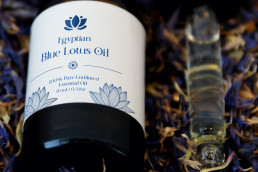
If you are searching for blue lotus oil in New Zealand, the challenge is not availability but authenticity. Genuine Nymphaea caerulea absolute is a niche product in the Kiwi aromatherapy market, often sitting between legitimate artisan importers, overseas online retailers, and a worrying number of mislabelled perfume oils claiming the name without the botany. This guide walks through where to buy blue lotus oil in New Zealand, what a reputable supplier actually looks like, how MPI and customs treat the import of floral extracts, and how to verify that what lands in your letterbox is the real thing.
Table of Contents
- What You Are Actually Buying When You Buy Blue Lotus Oil
- The New Zealand Market: A Realistic Picture
- Where Kiwis Commonly Look
- Import, Customs, and MPI: What You Need to Know
- How to Verify a New Zealand Supplier Is Legitimate
- A Short Checklist Before You Buy
- Sensory Verification: What the Real Thing Smells and Looks Like
- Buying Online From Overseas: A Practical Approach for New Zealanders
- Storing Blue Lotus Oil in the New Zealand Climate
- Realistic Expectations: What Blue Lotus Oil Can and Cannot Do
- Frequently Asked Questions
- Where to Go From Here
- Authentic Blue Lotus, Shipped to New Zealand
It is written and clinically reviewed by Antonio Breshears, ND, CCA, a Bastyr-trained naturopathic doctor and certified clinical aromatherapist. For a broader foundation on the plant, its chemistry, and its traditional uses, readers may find it helpful to pair this guide with The Complete Guide to Blue Lotus Oil, which covers extraction methods, safety, and realistic expectations in more detail.
What You Are Actually Buying When You Buy Blue Lotus Oil
Before discussing New Zealand suppliers specifically, it helps to know what “blue lotus oil” legitimately refers to. The plant is Nymphaea caerulea, the Egyptian blue water lily, which is not a true lotus at all but a water lily, a distinction that matters when you start reading labels. The aromatic material extracted from its flowers is almost always a solvent-extracted absolute, dark amber to greenish-brown, with a layered scent profile that shifts from a cool aquatic-floral top into a honeyed floral heart and settles on a soft balsamic, faintly smoky base.
Genuine absolute is labour-intensive to produce. It takes roughly 3,000 to 5,000 flowers to yield a single gram of absolute, which is why authentic product is expensive and why “blue lotus oil” offered at supermarket prices is almost certainly a fragrance compound or a heavy dilution in jojoba or fractionated coconut oil. Two other forms exist: rare steam-distilled essential oil, and supercritical CO2 extract. Both are uncommon in the New Zealand market. If a retailer cannot tell you which extraction method produced their bottle, that is a red flag.
The New Zealand Market: A Realistic Picture
New Zealand does not have a domestic blue lotus cultivation or extraction industry of any meaningful scale, so every authentic bottle sold here has been imported, typically from Egypt, India, or through speciality European or American aromatherapy wholesalers. This matters for three reasons. First, pricing reflects import costs, freight, and the GST that applies to most aromatherapy goods. Second, the supply chain has more opportunities for adulteration or mislabelling than a short, local chain would have. Third, the small size of the New Zealand market means reputable sellers are few, and it is worth taking time to identify them rather than buying from the first result on a marketplace.
Where Kiwis Commonly Look
Most New Zealanders searching for blue lotus oil end up in one of four places: specialist local aromatherapy boutiques (often based in Auckland, Wellington, or Christchurch, with a small online presence), general wellness and herbal retailers such as larger health stores, TradeMe and marketplace listings, or overseas online retailers shipping directly to New Zealand addresses. Each of these has trade-offs.
Local aromatherapy boutiques are usually the safest bet when they exist, because a practitioner-run shop will typically stock product from a known supplier, can give you a GC-MS report or at least an origin country, and has a reputation to protect. The downside is that blue lotus is a niche item even in aromatherapy, and many otherwise excellent local shops simply do not carry it. General wellness retailers, by contrast, sometimes list “blue lotus oil” that turns out to be a heavily diluted or synthetic product, so read labels carefully.
Marketplace listings on TradeMe and similar platforms are the most variable category. Some sellers are genuine small importers; others are drop-shippers repackaging bulk fragrance oil. The price is usually the tell: an unlabelled 10 ml bottle of “blue lotus essential oil” for under NZ$30 is not what it claims to be. Overseas online retailers, including specialist apothecaries that ship to New Zealand, are often the most reliable option for authentic absolute, provided they are transparent about extraction method, origin, and testing.
Import, Customs, and MPI: What You Need to Know
Blue lotus oil is not a controlled substance in New Zealand. It is not scheduled under the Misuse of Drugs Act, and Nymphaea caerulea itself is not on any prohibited plant list administered by the Ministry for Primary Industries for import as a finished essential oil or absolute. However, a few practical points apply to anyone buying from overseas.
First, GST and Customs: for goods valued over the de minimis threshold, GST is collected at the point of sale by registered offshore suppliers, or at the border by Customs for larger orders. Most reputable international apothecaries are GST-registered for New Zealand and will display the tax inclusively at checkout, which avoids any unpleasant surprises. Second, Biosecurity: finished, bottled aromatic extracts are generally permitted, but raw plant material, seeds, or crude flower preparations can be flagged at the border. If you are buying a finished oil or absolute in a sealed bottle, this is rarely an issue. If you are attempting to import dried flowers or unprocessed botanical material, MPI rules become much more restrictive and you should check current biosecurity guidance before ordering.
Third, the legal landscape is worth noting because blue lotus has been restricted in a handful of jurisdictions overseas (notably Russia, Poland, Latvia, and the US state of Louisiana). None of these restrictions apply in New Zealand, and Australian regulatory complexity does not extend across the Tasman in any meaningful way for personal purchase. You are legally entitled to buy, own, and use blue lotus oil in New Zealand for personal aromatherapy purposes.
How to Verify a New Zealand Supplier Is Legitimate
The gap between genuine Nymphaea caerulea absolute and a synthetic fragrance oil can be invisible at a glance. A legitimate supplier, whether based in New Zealand or shipping here from overseas, will typically do several things. They will name the botanical species (Nymphaea caerulea), not just “blue lotus”. They will disclose the extraction method (absolute via solvent extraction, steam-distilled essential oil, or CO2 extract). They will specify the country of origin, usually Egypt or India. They will either publish a GC-MS analysis or provide one on request. They will use dark glass, typically amber or cobalt, with a proper dropper or reducer insert, and they will price the product in a range that reflects the raw material cost.
As a rough guide, expect authentic 5 ml of blue lotus absolute to sit somewhere between NZ$60 and NZ$180 depending on grade, extraction, and brand positioning. Diluted versions (for example, 5 percent absolute in jojoba) are cheaper and can be legitimate provided the label clearly states the dilution. Anything significantly below these ranges, sold as “pure” or “100 percent”, should be treated with scepticism.
A Short Checklist Before You Buy
- Is the botanical name Nymphaea caerulea stated on the label or product page?
- Is the extraction method specified (absolute, steam-distilled, or CO2)?
- Is the country of origin disclosed?
- Is a GC-MS or batch certificate available on request?
- Is the oil in dark glass with an appropriate closure?
- Does the price reflect the real cost of raw material (roughly NZ$60-180 for 5 ml of pure absolute)?
- Does the retailer provide safety information and dilution guidance?
If the answer to most of these is yes, you are probably dealing with a legitimate supplier. If several are missing or vague, keep looking.
Sensory Verification: What the Real Thing Smells and Looks Like
Once a bottle arrives, there are a few honest sensory checks you can do. Genuine blue lotus absolute is not thin or watery; it has a noticeable viscosity and, when cool, can be almost solid, warming into a fluid state with gentle body heat or a warm water bath. The colour is deep amber to greenish-brown, never bright blue. If your “blue lotus oil” is a vivid turquoise, you have a dyed synthetic.
The scent is complex and unfolds over time on a paper strip: a cool, slightly green aquatic-floral top note, a rich honeyed floral heart that can read almost wine-like, and a soft balsamic, faintly smoky base that lingers for hours. A thin, one-note, overtly sweet or perfumey scent that reads immediately as “floral candle” is typically a synthetic fragrance oil. Real absolute also has a subtle earthiness that is unmistakable once you have smelled it a few times.
Buying Online From Overseas: A Practical Approach for New Zealanders
Because the domestic New Zealand market for blue lotus is thin, many buyers end up ordering from specialist apothecaries overseas. This is a reasonable strategy provided a few boxes are ticked. Choose suppliers who are explicit about being GST-registered for New Zealand sales, which avoids Customs holds and surprise tax bills. Favour those who ship in properly padded, temperature-sensitive packaging, especially during the New Zealand summer, when airmail parcels can sit in hot sorting facilities. Look for tracked shipping rather than untracked standard post, because the value of a 5 ml or 10 ml bottle of genuine absolute justifies the extra few dollars.
Check return and replacement policies. A serious apothecary will replace a bottle that arrives damaged or has clearly deteriorated in transit. Finally, read independent reviews, not only those hosted on the seller’s own website. A legitimate brand typically has a trail of reviews on aromatherapy forums, Reddit threads, or independent review platforms going back several years.
Storing Blue Lotus Oil in the New Zealand Climate
Once your bottle arrives, storage matters, particularly in parts of New Zealand where summer heat and humidity can accelerate degradation. Blue lotus absolute has a shelf life of roughly 3 to 4 years when stored well, which means in dark glass, in a cool, dark cupboard, away from direct sunlight and temperature swings. A bathroom shelf above a hot shower is the worst possible spot. A bedroom drawer or a cool pantry is ideal. If you live somewhere like Northland or the Bay of Plenty with high summer humidity, keeping the bottle tightly capped between uses is especially important, because oxidation and water absorption both shorten aromatic life.
Refrigeration is not strictly necessary for absolute, and in fact cold storage can make the oil thick enough to be awkward to dispense. Room-temperature storage in a dark, stable place is best. If the oil develops an off, rancid, or sharply sour note over time, it is at the end of its usable life; this is rare within the first two to three years of careful storage.
Realistic Expectations: What Blue Lotus Oil Can and Cannot Do
Whether you buy from an Auckland boutique, a Christchurch herbalist, or an overseas apothecary, the same clinical caveats apply. Blue lotus oil is genuinely useful for evening wind-down rituals, mood softening, meditation, and sensual or intimate settings. Its chemistry, a combination of aporphine and nuciferine alkaloids with flavonoids like apigenin and quercetin, supports a modest calming, mood-lifting effect via olfactory-limbic pathways and a gentle shift toward parasympathetic dominance.
It is not a strong sedative. It is not a substitute for treatment of clinical anxiety, depression, or insomnia. It is not safe to use in pregnancy or while breastfeeding, and caution is warranted for anyone taking dopaminergic medications, MAOIs, or heavy sedatives. Used within realistic expectations, it is a beautiful and reasonably well-attested aromatic ally. Used as a miracle cure, it will always disappoint.
Frequently Asked Questions
Is blue lotus oil legal in New Zealand?
Yes. Blue lotus (Nymphaea caerulea) is not a controlled substance in New Zealand and is not scheduled under the Misuse of Drugs Act. You can legally buy, own, and use it for personal aromatherapy purposes.
Where is the best place to buy blue lotus oil in New Zealand?
Your most reliable options are specialist aromatherapy boutiques (where available), practitioner-run herbal apothecaries, and reputable overseas online suppliers who ship to New Zealand with GST included. Avoid no-name marketplace listings without clear labelling.
Will Customs or MPI hold my order?
For finished, bottled aromatic extracts, holds are rare. GST is usually collected at checkout by GST-registered offshore suppliers. Raw plant material or seeds are treated very differently by MPI, so stick to finished oil products if ordering from overseas.
How much should a 5 ml bottle of genuine blue lotus absolute cost?
Expect roughly NZ$60 to NZ$180 for 5 ml of authentic absolute, depending on brand and grade. Pre-diluted versions in jojoba or another carrier will be cheaper but should clearly state the dilution percentage.
How can I tell if my blue lotus oil is real?
Genuine absolute is viscous, deep amber to greenish-brown, and carries a layered scent that unfolds from cool aquatic-floral top notes into a honeyed heart and a soft balsamic base. Bright blue colour, a thin watery texture, or a single-note perfumey smell all suggest a synthetic.
Can I buy blue lotus oil on TradeMe safely?
Possibly, but verify the seller carefully. Look for clear botanical naming, extraction method, origin, and ideally a GC-MS report. Many TradeMe listings are drop-shipped fragrance oils rather than true absolute.
Is it safe to use in pregnancy?
No. Blue lotus oil is avoided in pregnancy and breastfeeding due to its alkaloid content and lack of safety data in these groups.
How should I store my bottle in the New Zealand summer?
Keep it in dark glass, tightly capped, in a cool, dark cupboard away from direct sunlight and heat. Avoid bathrooms and car glove boxes. A bedroom drawer is ideal.
What dilution should I use for topical application?
For face, 1 to 2 percent in a suitable carrier oil; for body, 2 to 3 percent; for targeted use on small areas, up to 3 percent. For diffusion, 2 to 4 drops is ample.
Can I combine blue lotus with other essential oils?
Yes. It blends particularly well with sandalwood, frankincense, rose, jasmine, and vetiver for evening rituals, and with bergamot or neroli for lighter mood blends.
Where to Go From Here
If you are ready to buy, the most important single step is choosing a supplier who is transparent about species, extraction, origin, and testing. Everything else, price, packaging, shipping, follows from that. For readers who want to understand the plant itself in more depth before purchasing, including its chemistry, traditional uses, and safety profile, the complete guide to blue lotus oil is the natural next read. With a clear sense of what authentic product looks like and what it can realistically do, New Zealand buyers are in a strong position to make a purchase they will actually enjoy.

Antonio Breshears
Antonio Breshears is a renowned expert in holistic medicine and beauty, with over 25 years of research experience dedicated to uncovering the secrets of nature's most powerful remedies. Holding a degree in Naturopathic Medicine, Antonio's passion for healing and well-being has driven him to explore the intricate connections between mind, body, and spirit.
Over the years, Antonio has become a respected authority in the field, helping countless individuals discover the transformative power of plant-based therapies, including essential oils, herbs, and natural supplements. He has authored numerous articles and publications, sharing his wealth of knowledge with a global audience seeking to improve their overall health and well-being.
Antonio's expertise extends to the realm of beauty, where he has developed innovative, all-natural skincare solutions that harness the potency of botanical ingredients. His formulations embody his deep understanding of the healing properties found in nature, providing holistic alternatives for those seeking a more balanced approach to self-care.
With his extensive background and dedication to the field, Antonio Breshears is a trusted voice and guiding light in the world of holistic medicine and beauty. Through his work at Pure Blue Lotus Oil, Antonio continues to inspire and educate, empowering others to unlock the true potential of nature's gifts for a healthier, more radiant life.